Cannabis & Wellness – 10 Science-Backed Benefits (& What Actually Works)

Cannabis has shifted from cultural symbol to clinical subject, with hundreds of peer-reviewed studies exploring how cannabinoids influence pain, sleep, digestion, stress and cognitive states. While hype exists, evidence has grown enough that cannabis can no longer be dismissed as a wellness fad. Within the growing conversation around weed and wellness, research shows that cannabis interacts with multiple biological systems and, when used intentionally, can support comfort, calm and functional daily living.
The key is dose, chemistry and timing. Cannabis is not a one-size tool for wellness. It works best when approached with curiosity, tracking and realistic expectations.
This guide breaks down ten research-supported benefits using clear language and real scientific references. No exaggeration. No fear. Just practical insight for people who want cannabis to fit into a healthier lifestyle.
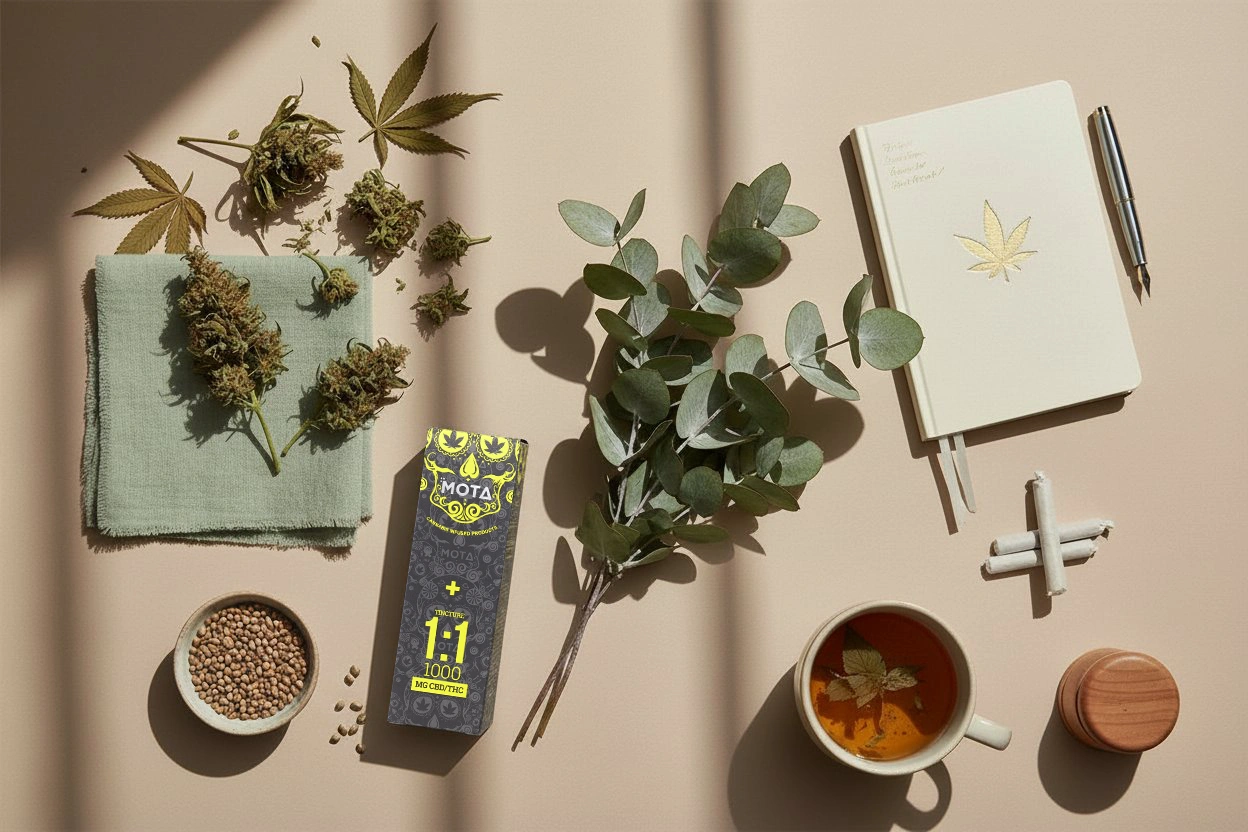
How Cannabis Supports Modern Wellness
Cannabis interacts with the endocannabinoid system (ECS), a regulatory network involved in balance. The ECS influences immunity, appetite, stress responses, pain signalling, mood and sleep. THC, CBD and terpenes each activate different receptors or pathways inside this system.
THC binds strongly to CB1 receptors in the brain, influencing perception, appetite, pain interpretation and sensory processing.
CBD does not bind strongly to CB1 or CB2. Instead, it modulates serotonin receptors, inflammatory pathways and ECS tone, which helps regulate emotional responses without intoxication.
Terpenes (aromatic compounds) change how cannabinoids feel:
- Limonene can uplift mood.
- Myrcene can soften tension.
- Pinene may help clarity.
Because ECS tone differs between people, wellness effects vary. The best results come from consistency: same dose, same format, similar timing. Tracking your responses over one to two weeks often reveals what actually works.
Pain, Inflammation & How Cannabis Fits In
Pain is rarely simple. It combines physical signals, stress levels and emotional interpretation. Cannabinoids influence all three. They do not numb pain like opioids. They change the conversation between nerves and the brain.
Clinical reviews show cannabinoids reduce central sensitization — the brain’s amplification of pain signals — and may ease inflammatory processes linked to chronic discomfort.
How Cannabis Helps With Pain Without Acting Like a Numbing Agent
Cannabis adjusts how the brain interprets discomfort. It reduces reactivity to pain signals rather than blocking sensation. Many describe the effect as “the volume is turned down.” The discomfort exists, but the emotional weight behind it softens.
This is why cannabis can help people move more freely or engage in gentle activity without feeling overwhelmed by discomfort. It is also why lower doses often outperform high doses. Too much THC may increase sensitivity or introduce mental fog.
Benefit 1 – Reduction in neuropathic discomfort
Neuropathic pain stems from nerve dysfunction and often resists standard treatment. Controlled trials show cannabinoids can reduce this type of pain, particularly burning or shooting sensations common in diabetic neuropathy, sciatica and nerve compression injuries.
Study: https://www.ncbi.nlm.nih.gov/pmc/articles/PMC2503660/
Benefit 2 – Inflammation modulation via CB2 pathways
CB2 receptors influence inflammatory signalling. Activation of CB2 can reduce cytokines that amplify joint or tissue pain. Reviews show cannabinoids reduce swelling and inflammatory markers in multiple tissue types.
Study: https://www.ncbi.nlm.nih.gov/pmc/articles/PMC2828614/
Why Pain Perception Changes
Pain is shaped by both physical and emotional factors. Stress, lack of sleep and nervous system sensitivity can amplify even minor discomfort. Cannabinoids influence this process by affecting how the brain interprets incoming signals rather than blocking pain outright. THC interacts with CB1 receptors tied to sensory processing, while CBD helps balance serotonin pathways linked to mood and stress. Together, they reduce the “loudness” of pain. Users often describe the shift as the same discomfort feeling less urgent or overwhelming, which allows for easier movement and daily function. Consistent low dosing tends to support a calmer baseline over time.
Stress, Calm & Mood Support
Cannabis affects the systems responsible for how we process stress, emotional tension and daily mental load. Its effects are subtle but meaningful when dosing stays low and intentional, helping shift the body toward steadier mood regulation. Many people find that the right balance of THC, CBD and terpenes creates a calmer baseline without sedation.
How Cannabis Helps Regulate Emotional Reactivity
Cannabis interacts with pathways that influence emotional reactivity. CBD supports steadier responses through serotonin receptors, while low THC doses can soften looping thoughts and reduce mental tension. Balanced products often provide calm without slowing the mind when the dose remains light.
Many people describe feeling more centered rather than sluggish and research suggests cannabinoids can help the body respond less sharply to stress. When combined with consistent habits like movement, breathwork or routine structure, the calming effects tend to feel smoother and more predictable.
Benefit 3 – Reduced intensity of anxious thought patterns’
CBD’s influence on serotonin receptors may help reduce the strength of anxiety-driven thoughts. Clinical studies show less reactivity when participants face stressful or socially demanding situations. The effect isn’t about removing anxious thoughts but reducing their impact.
Users often report a sense of mental space where thoughts feel less intrusive, making daily tasks or social settings more comfortable. Because CBD doesn’t cause intoxication, its calming effect aligns well with daytime use.
Study: https://www.ncbi.nlm.nih.gov/pmc/articles/PMC4604171/
Benefit 4 – Softer stress response at low THC doses
Low-dose THC can gently reduce activity in brain regions tied to fear or tension. Studies suggest it may temper cortisol spikes and support more even emotional pacing. The key is keeping the dose small, since higher amounts may increase anxiety.
At light levels, THC tends to feel functional — easing stress without compromising clarity. Blending THC with CBD can make the effect steadier and more predictable.
Achieving Calm Without Losing Mental Clarity
Cannabis can support calm without sedation when used at low doses or with CBD-forward formulas. Many people describe feeling less reactive while staying focused and present. This makes the effect useful for tasks that require emotional balance or for easing into evening routines.
Consistency matters: pairing cannabis with stable habits like movement, breathwork or sleep structure often produces the smoothest results. The goal is gentle grounding, not heavy relaxation.
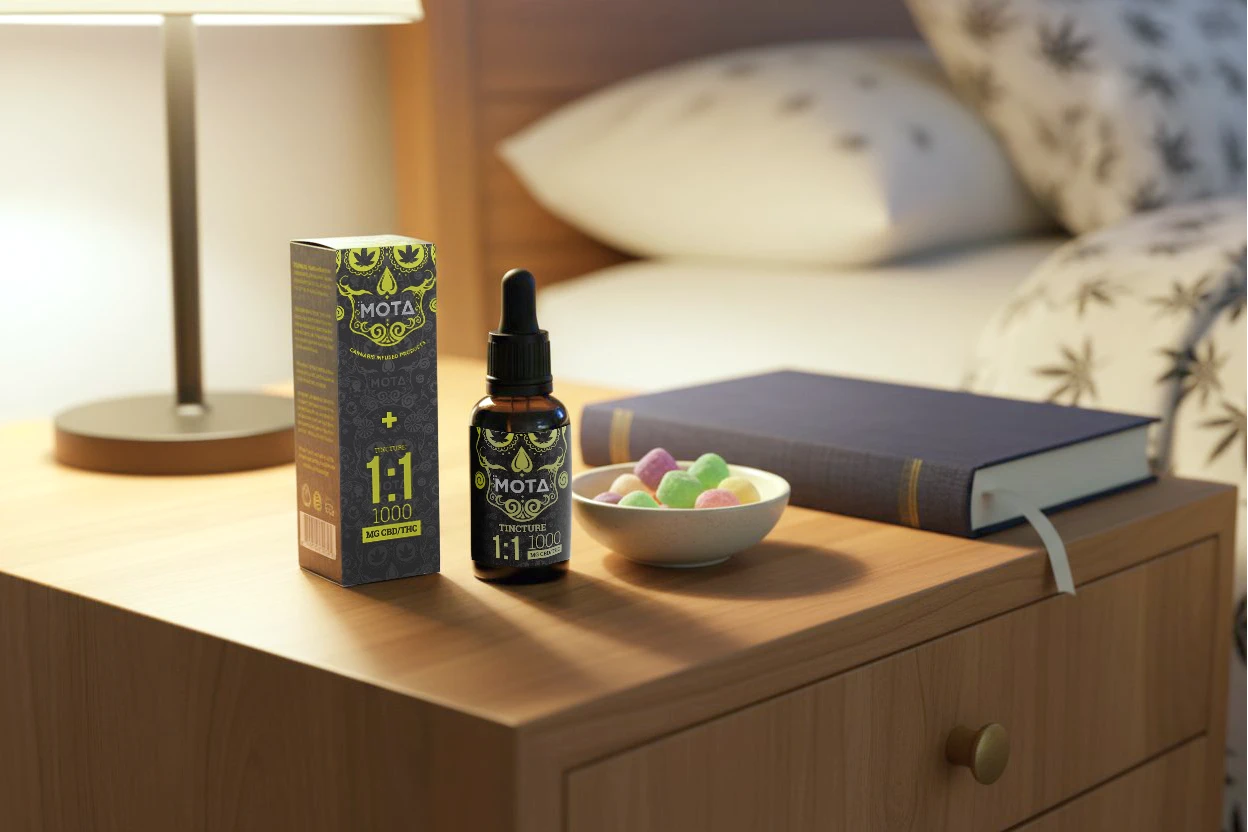
Sleep Support — Quicker Drift-Off & More Consistent Rest
Cannabis can help reduce the internal tension that keeps the body alert at night. THC products nudge the nervous system toward relaxation while CBD quiets the mental activity that often interferes with sleep. Terpenes like myrcene and linalool add gentle calming effects.
Together, these compounds can make it easier to unwind and maintain a steadier sleep rhythm. The effect is subtle but meaningful, especially for people whose sleep issues stem from stress or overthinking rather than physical pain.
Why Cannabis Helps the Body Transition Into Sleep Mode
Falling asleep requires a drop in arousal, steadier breathing and reduced cognitive noise. Low THC doses support that shift by easing the transition from wakefulness to rest. CBD products reduce pre-sleep rumination, creating a smoother mental runway.
Edibles or capsules last longer in the body, which may help maintain rest through the night. When used consistently and in modest amounts, cannabis works as a gentle bridge into sleep, not as a sedative.
Benefit 5 – Faster sleep onset
A number of studies show that low-dose THC shortens the time it takes to fall asleep. People often report feeling more relaxed and less caught in thought loops around bedtime. Taking an edible or tincture 45–60 minutes before sleep gives cannabinoids time to settle into the system, creating a calmer internal environment that eases the shift into rest.
Benefit 6 – Fewer mid-night wakeups
Longer-lasting cannabis formats can help maintain sleep continuity. Balanced THC/CBD blends tend to work best since they provide relaxation without overwhelming the system. Many users find that they wake less frequently when cannabinoids support steady nervous system tone through the night. For light sleepers or those who wake due to stress spikes, this can create a more consistent and restorative sleep cycle.
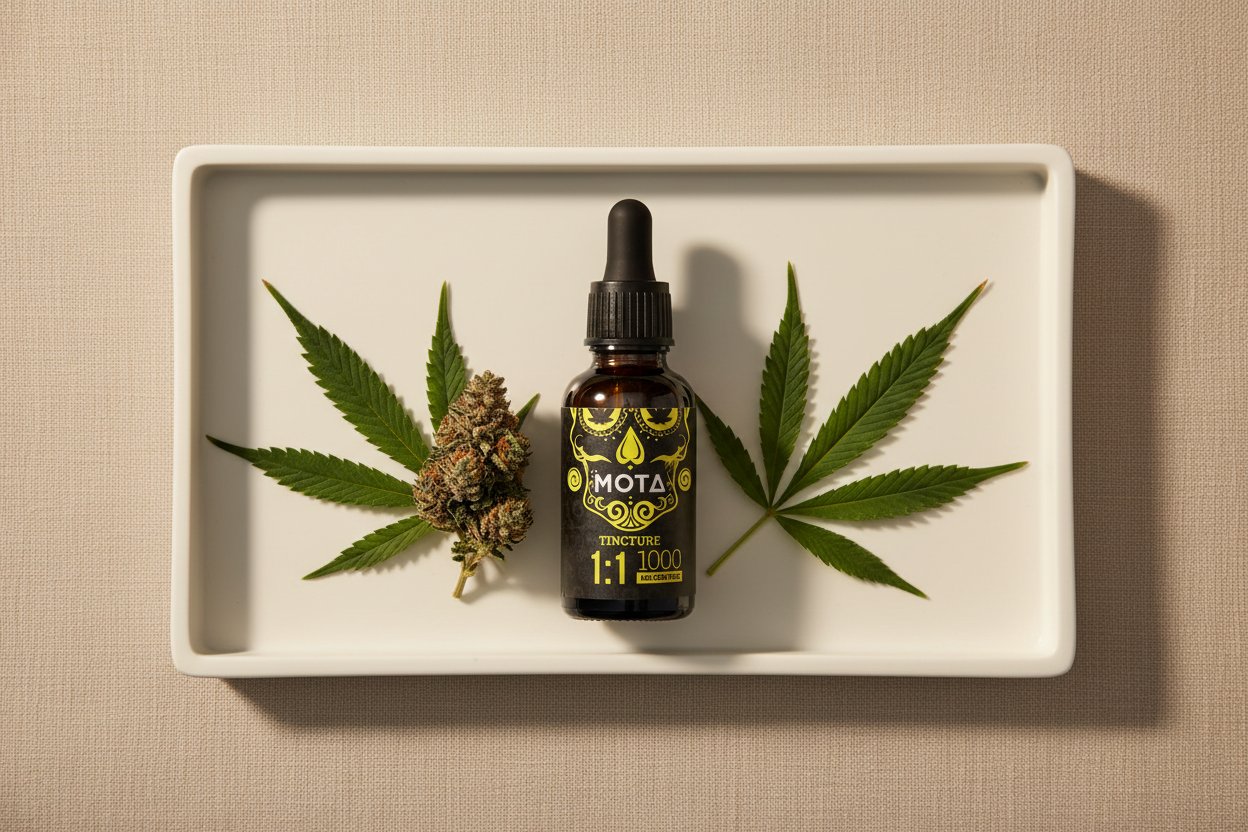
Appetite, Digestion & Nausea Relief
Appetite and digestion respond closely to changes in the nervous system. When stress rises, appetite often drops and gut tension increases, which makes eating feel uncomfortable or unappealing. Cannabis can help shift this pattern by supporting hunger cues and easing the physical tension that stress creates in the digestive tract.
These effects are subtle but can make a meaningful difference for people who lose appetite during demanding periods or while managing medical treatments.
Why THC Boosts Appetite (The Physiology Behind the Munchies)
THC stimulates the hypothalamus, the part of the brain responsible for hunger signals. It also increases dopamine release in reward pathways, which makes food taste better and feel more satisfying. This dual effect explains why certain cannabis products can restore appetite even when stress, medications or illness have reduced the desire to eat.
The “munchies” may be a stereotype, but the mechanism behind it is well understood and rooted in measurable physiology.
Benefit 7 – Gentle appetite restoration
Clinical trials show THC can help people regain appetite when it has been suppressed by stress or health conditions. Unlike strong appetite stimulants, cannabis tends to work gradually by enhancing natural hunger cues rather than forcing them. This makes it useful for daily support or temporary appetite disruptions.
Study: https://www.ncbi.nlm.nih.gov/pmc/articles/PMC3165946/
Benefit 8 – Anti-nausea effects with low-dose THC
Low THC doses have documented antiemetic effects and are used in clinical contexts to help manage nausea. These effects emerge from THC’s ability to influence regions of the brain responsible for nausea responses. For people dealing with stress-related stomach upset or medication-induced nausea, low-dose cannabis can offer steady relief without overwhelming intoxication.
Study: https://www.ncbi.nlm.nih.gov/pmc/articles/PMC5312634/
The Gut–Brain Loop & Digestive Comfort
The gut has its own extensive nerve network that responds directly to emotional and psychological stress. Cannabinoids interact with this gut–brain loop by easing muscle tension in the digestive tract and helping regulate motility. Users often report smoother digestion, improved comfort while eating and less reactivity to minor gastrointestinal discomfort. This makes cannabis a supportive option for people whose digestive issues are tied to stress rather than structural medical conditions.
Energy, Focus & Creativity – When Chemistry Works in Your Favour
Cannabis is often associated with relaxation, but certain formulations can support mental clarity instead of slowing it. When the terpene profile leans bright or the THC dose stays low, the experience becomes more about gentle alertness and reduced mental noise. Many people use microdosed cannabis as a way to stay engaged without the heavy body effects associated with larger amounts. This makes it useful for creative tasks, planning sessions or low-stress work where a calm but present mindset is ideal.
Microdosing works well because it enhances subtle cognitive shifts rather than creating a pronounced high. Light doses can help users feel more organized, less cluttered and more capable of following through on ideas. The goal isn’t stimulation, but smoother mental flow.
Terpenes & Microdosing – The Real Drivers Behind Clarity
Terpenes influence mood and cognition just as much as cannabinoids. Limonene, often found in citrus-forward strains, can lift mood and support a more upbeat mental state. Pinene may sharpen focus and help reduce distraction, making it easier to stay on task. When paired with low THC doses, these terpenes can create a balanced state where the mind feels calm but still aware.
Importantly, this clarity effect doesn’t come from THC percentage alone. It depends on the overall chemical profile. A high-THC strain with sedating terpenes may feel heavy, while a modest-THC strain with the right terpene blend can feel bright and mentally supportive. Microdosing simply amplifies the clarity-oriented side of the experience.
Benefit 9 — Enhanced creative flow
Cannabis has a long history of association with creativity, and early research links cannabinoids to improved associative thinking. Users often report feeling more fluid in how they connect ideas or approach problems.
Instead of forcing focus, the mind feels looser and more exploratory, which can help with writing, brainstorming or artistic work. These effects tend to be most noticeable with strains rich in uplifting terpenes, where creativity feels guided rather than scattered.
Benefit 10 — Soft-focus attention
Pinene-rich cannabis may support attention without introducing sedation. Some research suggests that pinene could help counterbalance aspects of THC that influence short-term memory, creating a smoother cognitive profile overall. This can result in a “soft-focus” state — present, engaged and relaxed, but not hyper-focused or overstimulated.
Study: https://www.ncbi.nlm.nih.gov/pmc/articles/PMC3165946/
This type of attention is especially useful for tasks that benefit from sustained engagement without mental pressure, such as reading, planning sessions or light creative work.

How to Fit Cannabis Into a Wellness Routine
Cannabis works best when it’s used intentionally rather than reactively. This means matching the product type to the specific effect you want, then maintaining consistent timing and dosage so your body learns what to expect. CBD oils tend to support calm and steadier emotional tone through the day. Low-dose edibles work well for easing into sleep since they metabolize slowly and maintain effect. Balanced tinctures can soften stress without creating fog, while topicals offer localized comfort without affecting cognition.
The key is slow and steady experimentation. Small adjustments in dose or timing often make a bigger difference than switching products entirely. Tracking what you take, how much you use and how you feel afterward helps identify patterns that may not be obvious in the moment. Over time this creates a reliable, personalized routine that supports your goals rather than overwhelming your system.
Cannabis isn’t meant to replace healthy habits. Instead, it works as a complement. People often see the best results when pairing cannabis with practices like movement, hydration, consistent sleep patterns and a balanced diet. When these foundations are steady, cannabis becomes a tool that amplifies comfort rather than a crutch used to cover up deeper issues.
Ready to Explore?
Cannabis can support calm, comfort and creativity when approached with curiosity and structure. Start with low doses that match the outcome you’re aiming for. Increase slowly as needed and pay attention to how your body responds over a few days instead of a single session. Notice whether certain formats or terpene profiles offer smoother results. The goal is a routine that supports your everyday life without adding complexity.
Whether you’re exploring cannabis for sleep, stress relief, appetite support or creative flow, the most effective approach is thoughtful and consistent. Build a simple routine, observe how your mind and body respond and adjust with patience. When used this way, cannabis becomes a steady wellness tool that fits naturally into your lifestyle.
Good starting points include:
• CBD oils – calm without intoxication
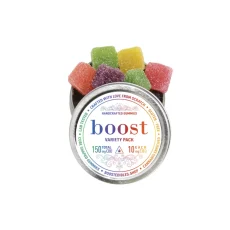
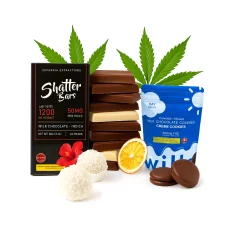
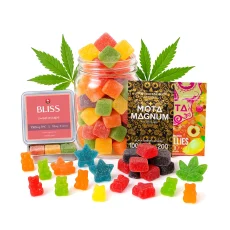
• Low-dose weed edibles – gentle stress relief
• Balanced tinctures – comfort without overwhelm
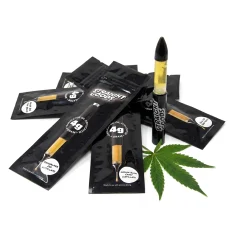
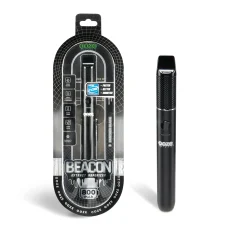
• Terpene-rich vapes – controlled, predictable effects
• Topicals – localized relief without the high
Go slow. Notice what changes. Build something that fits your body and lifestyle.
*Disclaimer
This article is for educational purposes only and doesn’t replace professional medical advice, diagnosis or treatment. Cannabis affects everyone differently and its impact can vary based on health conditions, medications, dosage and individual biology. Always speak with a licensed healthcare provider before using cannabis for pain, sleep, anxiety, digestion or any wellness goal. If you have ongoing symptoms or medical concerns, consult a qualified professional to determine what approach is safe and appropriate for your situation.