CBD Topicals – Creams and Balms Explained
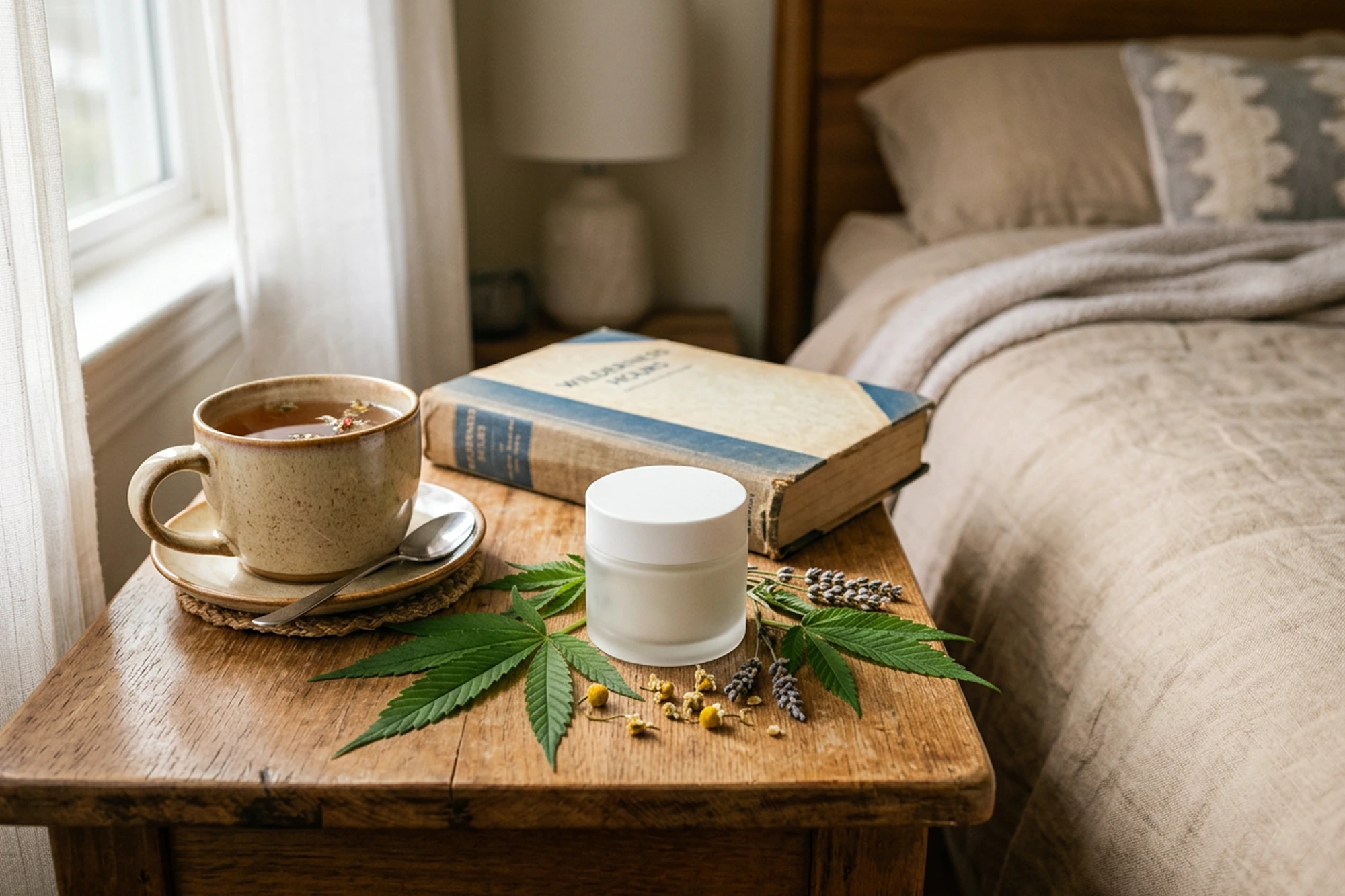
Cannabis topicals are one of the most misunderstood product categories in the Canadian market. People assume that because they come in a jar and get rubbed into skin, they must be milder than other cannabis formats – or that they work like a lotion with a twist. The reality is more interesting than that. CBD creams, THC creams and CBG balms each work through a distinct mechanism, target different receptors and serve different purposes. None of them will get you high. All of them can do something genuinely useful – if you know which one to reach for and how to use it. This guide covers everything: the science, the formats and every topical product currently available at Weed Market.
How Cannabis Topicals Actually Work
Before choosing between CBD, THC and CBG formats, it helps to understand why topicals behave differently from every other cannabis product. When you apply a cannabis cream to your skin, the cannabinoids interact with receptors located in the skin, muscle tissue and joints directly beneath the application site. They don’t enter the bloodstream in any meaningful amount under normal use. That’s the key distinction.
Your skin contains cannabinoid receptors – specifically CB1 and CB2 receptors – as part of the endocannabinoid system that regulates inflammation, pain signalling and skin health. When cannabinoids from a topical cream reach those receptors, they can influence the local inflammatory response and pain perception without affecting the brain or producing any psychoactive effect. This is why THC cream doesn’t get you high. The compound simply doesn’t travel far enough through the skin layers to reach the bloodstream at levels that produce systemic effects.
The practical result is a product category that delivers targeted, localised relief – useful for muscle soreness, joint discomfort, inflammation and certain skin conditions – without any of the cognitive effects associated with ingested or inhaled cannabis.
Why Topicals Are Different from Transdermal Patches
There is a distinction worth knowing. Transdermal cannabis products – patches specifically – are formulated to penetrate through all layers of the skin and enter the bloodstream deliberately. Standard cannabis creams and balms are not transdermal. They work at the skin surface and in the tissue beneath it, not systemically. If a topical product claims to be transdermal, it uses specific permeation enhancers to achieve that. The products in this guide are topical, not transdermal.
CBD Cream vs. THC Cream vs. CBG Cream – What’s the Difference
Three cannabinoids. Three different mechanisms. Knowing which one fits your goal is the most important decision in this category.
| Cannabinoid | Primary Mechanism | Best For | Psychoactive? |
| CBD | Anti-inflammatory, interacts with CB2 receptors | General muscle soreness, inflammation, skin support, daily wellness | No |
| THC | Binds CB1 receptors in skin tissue, stronger analgesic effect | Acute pain, deeper joint discomfort, stronger localised relief | No (topical) |
| CBG | Precursor cannabinoid, anti-inflammatory, antibacterial properties | Localised pain, skin conditions, inflammation with skin component | No |
In practice, many users find CBD cream their everyday workhorse – mild, broadly applicable and non-psychoactive in any form. THC cream tends to be the choice when CBD alone isn’t delivering enough pain relief. CBG cream occupies a more specialised space: often reported as effective for inflammation with a skin component, and increasingly popular among users managing conditions like dermatitis or psoriasis alongside muscle and joint discomfort.
The Full Topicals Range at Weed Market
Here is every cannabis topical currently available at Weed Market, organised by cannabinoid type.
CBD Creams and Balms
Our CBD cream collection carries seven products from MOTA and High Heals Edibles – two of the most established brands in Canadian cannabis. CBD cream is the entry point for most topical users: non-psychoactive in any format, broadly applicable and well-tolerated by most skin types.
One of the most consistently reviewed topicals in our catalogue – MOTA Green Cream. Formulated with CBD alongside natural botanical ingredients, it delivers a clean, non-greasy finish with a mild cooling sensation on application. Many users reach for it after training or at the end of a physically demanding day. The ingredient base includes natural carriers that support absorption into muscle and joint tissue rather than sitting on the skin surface.
A denser formulation from the same brand, MOTA Green Balm – better suited to targeted application on specific joints or smaller areas where you want more concentrated contact time. Balm format stays in place longer than cream, which makes it useful for knees, wrists, elbows or any joint that benefits from extended cannabinoid contact.
The most accessible format in the topical range – MOTA CBD Lip Balm – familiar, portable and useful for anyone who wants the anti-inflammatory and moisture-supporting properties of CBD in a format that fits in a pocket. Not a pain relief product, but genuinely useful for skin health and dryness.
THC Cream
The choice when CBD topicals haven’t delivered enough relief – THC cream. THC binds more directly to CB1 receptors in skin tissue than CBD does – the binding is stronger and many users find the analgesic effect more pronounced for acute or deeper discomfort.
It won’t get you high. The amount of THC that penetrates through the skin barrier in standard topical application is too small to produce psychoactive effects. What it can do – and what many users report – is more effective relief from localised joint pain, muscle tension and post-exercise soreness than CBD alone provides.
MOTA Green Cream is also available in a THC formulation, maintaining the same clean-finish base as the CBD version but with tetrahydrocannabinol as the active cannabinoid. For users who’ve tried the CBD version and want to step up the relief, the THC equivalent is a natural next move.
A few practical notes on THC cream:
- Do a patch test on a small area before first use – especially if you have sensitive skin
- Wash hands after application unless you’re applying to your hands specifically
- Avoid applying near eyes or mucous membranes
- While standard topical use won’t produce psychoactive effects, excessive application to thin-skinned areas over broken skin is not recommended
CBG Cream – High Heals Edibles CBG Body Cream
CBG – cannabigerol – is sometimes called the “mother cannabinoid” because other cannabinoids develop from it as the cannabis plant matures. In a topical context, CBG has attracted significant interest for its anti-inflammatory and antibacterial properties, which are distinct from both CBD and THC.
The dedicated CBG topical in our catalogue, High Heals Edibles CBG Body Cream and it’s worth knowing specifically. The formulation combines CBG with a base of jojoba oil, organic shea butter and cocoa butter – ingredients chosen for their skin compatibility and absorption properties. The result is a cream that many users describe as simultaneously effective for discomfort and noticeably good for skin condition. The centella asiatica extract in the formula adds skin-healing properties that make this more than a standard pain cream.
Who reaches for CBG cream specifically? Often users managing discomfort that has a skin component alongside the musculoskeletal one – inflammation that shows at the surface, skin conditions complicated by inflammation or simply users who want the broader cannabinoid profile that CBG brings to a topical. Available in our CBG cream section.
How to Use Cannabis Topicals Effectively
Application technique matters more than most people realise. The difference between a topical that works and one that feels like an expensive lotion often comes down to how it’s applied.
Application Best Practices
- Clean the area first. Skin that’s free of other products absorbs cannabinoids more consistently
- Use more than you think you need. A thin layer rarely delivers enough active ingredient to the target tissue. Apply generously and work it in
- Massage it in deliberately. A proper two-to-three minute massage improves absorption significantly and brings blood flow to the area – which helps cannabinoids reach the target receptors
- Give it time. Onset for topicals is typically 15–45 minutes. Apply and then give the cream time to work rather than reapplying immediately because you don’t feel anything right away
- Reapply as needed. Unlike ingested products, topicals can be reapplied when the effect fades without cumulative dosing concerns
Where Topicals Work Best
| Area | Notes |
| Knees and ankles | Balm format holds better on joint curves |
| Lower back | Cream format – easier to spread across a larger area |
| Shoulders and neck | Either format – massage well into muscle tissue |
| Hands and wrists | Cream or balm – reapply more frequently as hands are washed |
| Feet and calves | Cream works well – common choice post-exercise |
| Localised skin irritation | CBG cream specifically – anti-inflammatory and skin-supportive |
CBD Topicals vs. Oral CBD – Which Should You Choose
This is a common question and the answer depends entirely on what you’re trying to address.
Topicals are the right choice when the goal is localised – a specific joint, a sore muscle group, a patch of irritated skin. The relief stays where you put it. That precision is the format’s main advantage.
Oral CBD (oil, gummies, capsules) is the right choice when you’re looking for systemic effects – general anxiety reduction, sleep support, broader anti-inflammatory effects across the body. It enters the bloodstream and reaches the brain, which topicals don’t.
For many users, both have a role. A daily CBD oil or CBD capsule for general wellness alongside a topical cream for specific physical discomfort is a common and practical combination. They don’t compete – they address different things.
Cannabis Topicals for Pets – The Animalitos CBD Balm
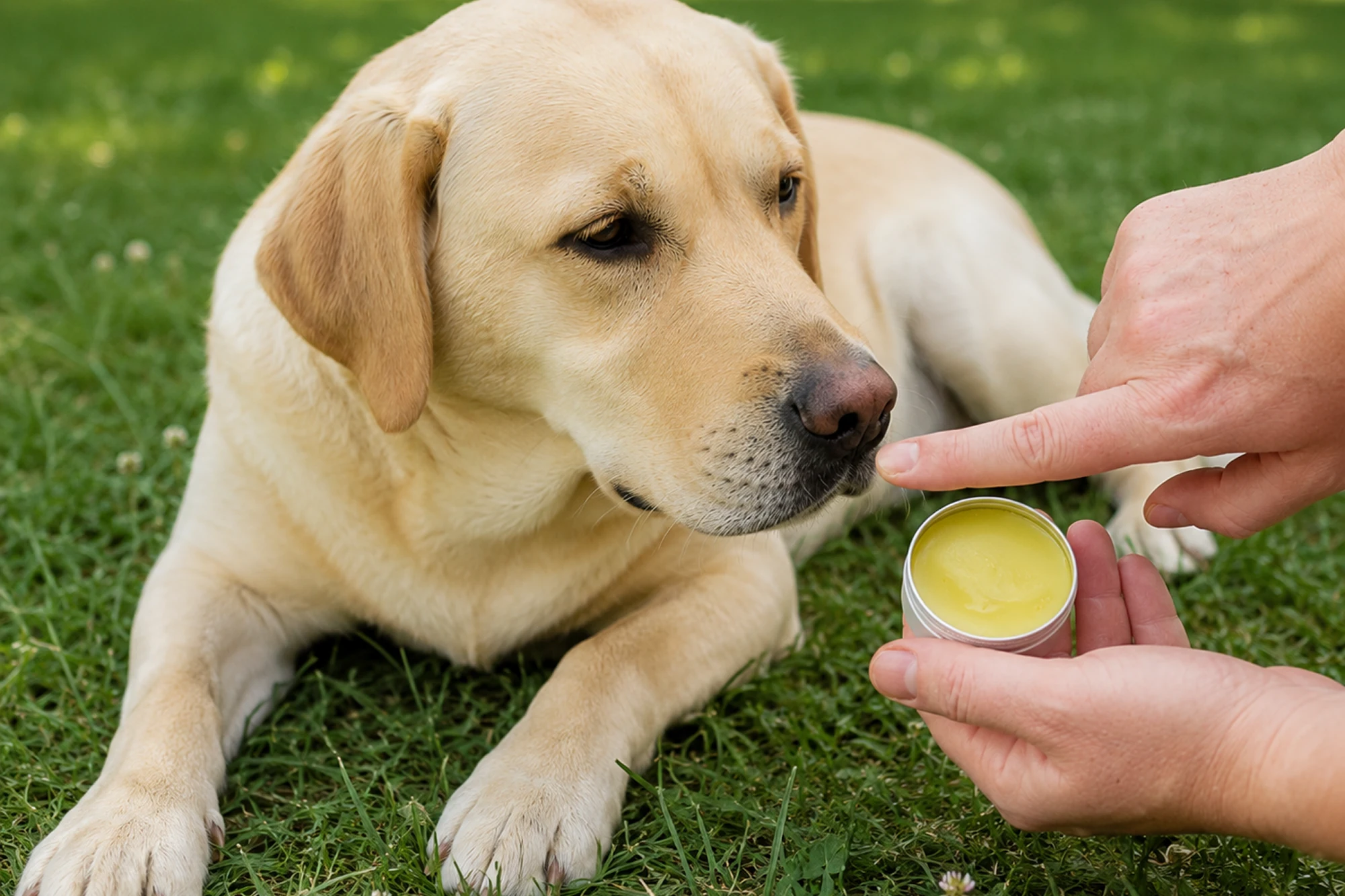
One product in the topicals range sits outside the human wellness category. Animalitos CBD Balm – part of the MOTA Animalitos pet line – is formulated specifically for animals: designed for application to paws, noses and hot spots on dogs. It uses CBD isolate for purity and natural carrier ingredients appropriate for animal skin. Available in our pet CBD section alongside the Animalitos CBD oil for dogs and cats. Always consult your veterinarian before using any cannabis product on a pet.
Who Benefits Most from Cannabis Topicals
Topicals aren’t for everyone and they aren’t the right cannabis format for every use case. But for specific profiles, they’re one of the most practical products in the entire cannabis catalogue:
- Athletes and active users reach for topicals most consistently. Post-training soreness, joint maintenance and recovery support – all well-matched to what CBD and THC creams deliver.
- People managing joint discomfort or arthritis often find topicals useful for day-to-day maintenance, particularly in hands, knees and lower back. Many users report that THC cream in particular provides more noticeable relief for arthritic joint pain than CBD alone.
- Users who don’t want to ingest cannabis at all – for personal preference, medication concerns or professional reasons – find topicals a way to access potential cannabinoid benefits without any ingestion or inhalation.
- People with skin conditions alongside physical discomfort often find CBG cream specifically useful for its combined anti-inflammatory and skin-supporting properties.
Harm reduction note: Cannabis topicals are generally well-tolerated but can cause skin reactions in sensitive individuals. Always perform a patch test before full application. If you’re on blood thinners or immunosuppressants, consult your healthcare provider before regular use. Topicals should not be applied to broken skin, open wounds or near the eyes.