How to Come Down from Too Much Cannabis – 7 Tips That Actually Work

It happens to everyone eventually. You took a little more than intended — maybe a second edible before the first one landed, maybe a strain that hit harder than expected — and now the effects feel like more than you signed up for. First thing to know: you are okay. Cannabis has never caused a fatal overdose. What you’re experiencing is temporary and it will pass. The discomfort is real but it is not dangerous. What follows are eight practical things you can actually do right now to make the next hour or two more manageable.
1. Remind Yourself It Will Pass
This sounds too simple to be useful. It isn’t. The single most effective thing you can do when cannabis effects feel overwhelming is to interrupt the anxiety feedback loop — and that loop almost always starts with the thought that something is wrong or that it won’t end. It will end. Every cannabis experience ends.
The peak of an cannabis edible session typically runs 2–3 hours in, after which effects begin to taper. Inhaled cannabis peaks faster and fades faster — usually within 90 minutes. Knowing where you are in that timeline helps. Remind yourself out loud if you need to: this is temporary, I am safe, it will pass.
Why the Anxiety Loop Happens
Cannabis — particularly at higher doses — can amplify whatever emotional state you’re already in. If you’re startled by how strong the effects are, that surprise can tip into anxiety, which the THC then amplifies further. Breaking that cycle early is the most important intervention available. Everything else on this list supports that one central goal.
2. Change Your Environment
Where you are matters more than most people realise when the effects feel too strong. A crowded room, a loud environment or anywhere that feels unfamiliar or unsafe will make an overwhelming experience significantly harder to navigate. Move somewhere quieter, more comfortable and more familiar as quickly as you reasonably can.
Your bedroom, your couch, a quiet corner — anywhere that feels like your space. Lie down if it helps. Sitting upright with your feet on the floor can also help some people feel more grounded. The goal is physical comfort and environmental calm. Soft lighting rather than harsh overhead lights. Background music at low volume rather than silence or loud noise. Small adjustments to your surroundings genuinely shift the experience.
3. Drink Water and Eat Something Light
Hydration is practical and immediate. Drink cold water slowly — not alcohol, not caffeine. Both of those will complicate things. Cold water gives your hands something to do, your mouth something to focus on and your body something genuinely useful. It won’t dramatically accelerate how quickly the effects wear off but it helps with dry mouth, grounds you physically and gives you a simple action to take when doing nothing feels hard.
Food is worth trying too — something light and bland. A few crackers, a piece of bread, a banana. Eating after consuming cannabis doesn’t reverse the effects but it can smooth the edges of the experience, particularly if you consumed on an empty stomach. Don’t force it if the idea of food is unappealing — but if you can manage a few bites, it often helps.
4. Take CBD If You Have It
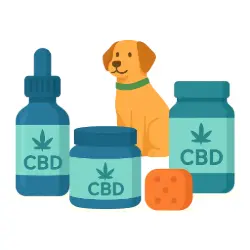
CBD and THC interact with the endocannabinoid system in ways that can moderate each other’s effects. Many users report that taking CBD during an overwhelming THC experience reduces the intensity without fully cancelling it. If you have CBD oil or CBD gummies available, take a standard dose. Hold the oil under your tongue for 60 seconds before swallowing for faster onset.
This isn’t a guaranteed fix — individual responses vary — but it’s one of the more evidence-supported tools on this list. It’s also a good reason to keep CBD on hand if you consume THC regularly. Think of it as a useful counterbalance to have available.

5. Breathe Deliberately
Controlled breathing is one of the fastest ways to activate the parasympathetic nervous system — the part of your body responsible for calming the stress response. When THC-induced anxiety spikes, heart rate goes up and breathing becomes shallow and fast. Deliberately slowing your breath interrupts that pattern.
Try box breathing: inhale for four counts, hold for four counts, exhale for four counts, hold for four counts. Repeat that cycle five or six times. It feels mechanical at first. Do it anyway. The physiological effect is real and it kicks in faster than most people expect. You don’t need to be calm to breathe slowly — you just need to breathe slowly, and the calm tends to follow.
6. Distract Your Brain Gently
Sitting with the experience and monitoring it closely makes it feel worse. Your brain is looking for evidence that something is wrong — and if you keep checking in anxiously, it will find things to worry about. Gentle distraction breaks that pattern. Put on something familiar and low-stakes on TV — a comfort show you’ve seen before, something funny, something slow — or check out some stoner movies.
Listen to music you know well. Have a simple, easy conversation with someone you trust. The goal isn’t to forget what’s happening — it’s to give your attention somewhere else to go while your body processes the THC naturally. Familiar, low-demand content works better than anything new or complex. This is not the time to start a new series with a complicated plot.
7. Sleep It Off If You Can
If the effects are strong and you’re in a safe, comfortable place — sleep is the most effective option available. Cannabis makes most people sleepy at higher doses anyway, and sleep lets your body metabolise THC while your conscious experience is offline. Lie down somewhere comfortable, put something familiar on in the background if silence feels uncomfortable and let yourself drift off.
You will wake up feeling significantly better. The experience that felt overwhelming will be mostly resolved. You may feel a little foggy in the morning — that’s normal and it passes within an hour or two of being awake. If sleep isn’t coming naturally, that’s fine — just rest. Eyes closed, breathing slow, body still. You don’t need to actually fall asleep for rest to help.
What Not to Do
As important as the tips above is knowing what makes things worse:
- Don’t take more cannabis to try to balance out the experience. It will not help
- Don’t drink alcohol. It amplifies THC effects significantly
- Don’t drink caffeine. It raises heart rate and increases anxiety
- Don’t go somewhere unfamiliar or public if you can avoid it
- Don’t panic. The experience feels more intense when you’re fighting it
A note on safety: If someone is unresponsive, having a seizure or showing signs of a serious medical event, call 911. An overwhelming cannabis experience is not a medical emergency — but genuine medical emergencies do happen independently of cannabis use. Know the difference and don’t hesitate to call for help if something feels genuinely wrong beyond discomfort and anxiety.
Browse Weed Market’s full catalogue of dried cannabis flower, edibles and CBD products — all shipped fast and discreet anywhere in Canada. New customer? Use code WELCOME10 at checkout for 10% off plus free shipping with no minimum.