How to Manage a Difficult Psilocybin Experience – A Calm, Practical Guide
A difficult psilocybin experience is not the same as a bad one — though it can feel that way while you’re in it. Psilocybin is a powerful psychedelic and it doesn’t always take you where you expected to go. Difficult emotions, unsettling visuals, a loss of sense of time or self — these are real possibilities, especially at higher doses or in the wrong environment. And they are also, for many people, among the most meaningful experiences they’ve ever had. This guide isn’t about eliminating difficulty. It’s about having the tools to navigate it — so that a challenging experience doesn’t become a traumatic one.
Important note: Psilocybin mushrooms are a controlled substance in Canada outside of exempted research and medical contexts. This guide is educational and harm-reduction focused. Nothing here constitutes medical advice. If you are managing a mental health condition, speak with a healthcare professional before considering psilocybin.
Why Difficult Experiences Happen
Psilocybin affects the default mode network of the brain — the system responsible for your sense of self, narrative thinking and the mental habits that structure your everyday experience. When that network is disrupted, everything that you normally filter or suppress can surface. That includes unresolved emotions, fears and thought patterns you weren’t aware of. It doesn’t mean something is wrong. It often means the experience is doing exactly what psilocybin does — surfacing what’s there.
The Role of Set and Setting
The two most influential factors in any psilocybin experience are set and setting. Set refers to your mindset going in — your emotional state, your intentions and what you’re carrying psychologically on that particular day. Setting refers to your physical environment and the people around you.
A difficult experience is more likely when either of these is off: high stress before dosing, an unfamiliar environment, the wrong company or a dose that exceeded what you were prepared for. None of this means a difficult experience is your fault — but understanding the factors helps you prepare better next time and navigate more effectively in the moment.
What a Difficult Experience Actually Feels Like
Knowing what to expect reduces panic. A difficult psilocybin experience might involve any of the following:
- Intense anxiety or fear that feels disproportionate to the situation
- Unsettling or disturbing visual patterns or imagery
- A sense of losing your grip on identity or reality
- Paranoia or the feeling that something is deeply wrong
- Overwhelming emotion — grief, shame, fear — that feels uncontrollable
- Physical discomfort — nausea, racing heart, sweating
None of these are signs that something has gone medically wrong. They are common features of difficult psychedelic experiences and they pass. The peak of a psilocybin experience typically runs 3–4 hours after ingestion psilocybin mushrooms, with effects tapering significantly by hours 5–6.

The Most Important Thing – Surrender Rather Than Resist
This is counterintuitive and genuinely difficult to do in the moment. But fighting a psilocybin experience — trying to control it, suppress what’s coming up or force it to stop — almost always makes it more intense. The most consistently useful advice from experienced psychedelic guides is: let it move through you rather than pushing against it.
That doesn’t mean be passive. It means redirect your relationship to what’s happening. Instead of “I need this to stop,” try “I can let this move through me.” Instead of tightening against the experience, consciously relax your body — unclench your jaw, drop your shoulders, breathe slowly. The experience responds to your resistance. Reducing that resistance often changes the quality of what’s happening faster than anything else.
The Phrase That Helps
Many guides recommend a simple phrase for difficult moments: “I trust, I let go, I surrender.” It sounds simple. In a difficult experience, having a short, specific phrase to return to gives your mind something to anchor to when everything else feels destabilising. Repeat it slowly, in time with your breath.
Practical Steps During a Difficult Experience
Change Your Position or Location
If you’re sitting, lie down. If you’re indoors, go outside briefly if it’s safe and comfortable. If you’re in a room that feels claustrophobic, move to one with more space. Physical position has a real effect on psychological experience during psilocybin. Lying down with eyes closed often shifts the experience inward in a way that feels more manageable than sitting upright trying to engage with the external world.
Use Music Intentionally
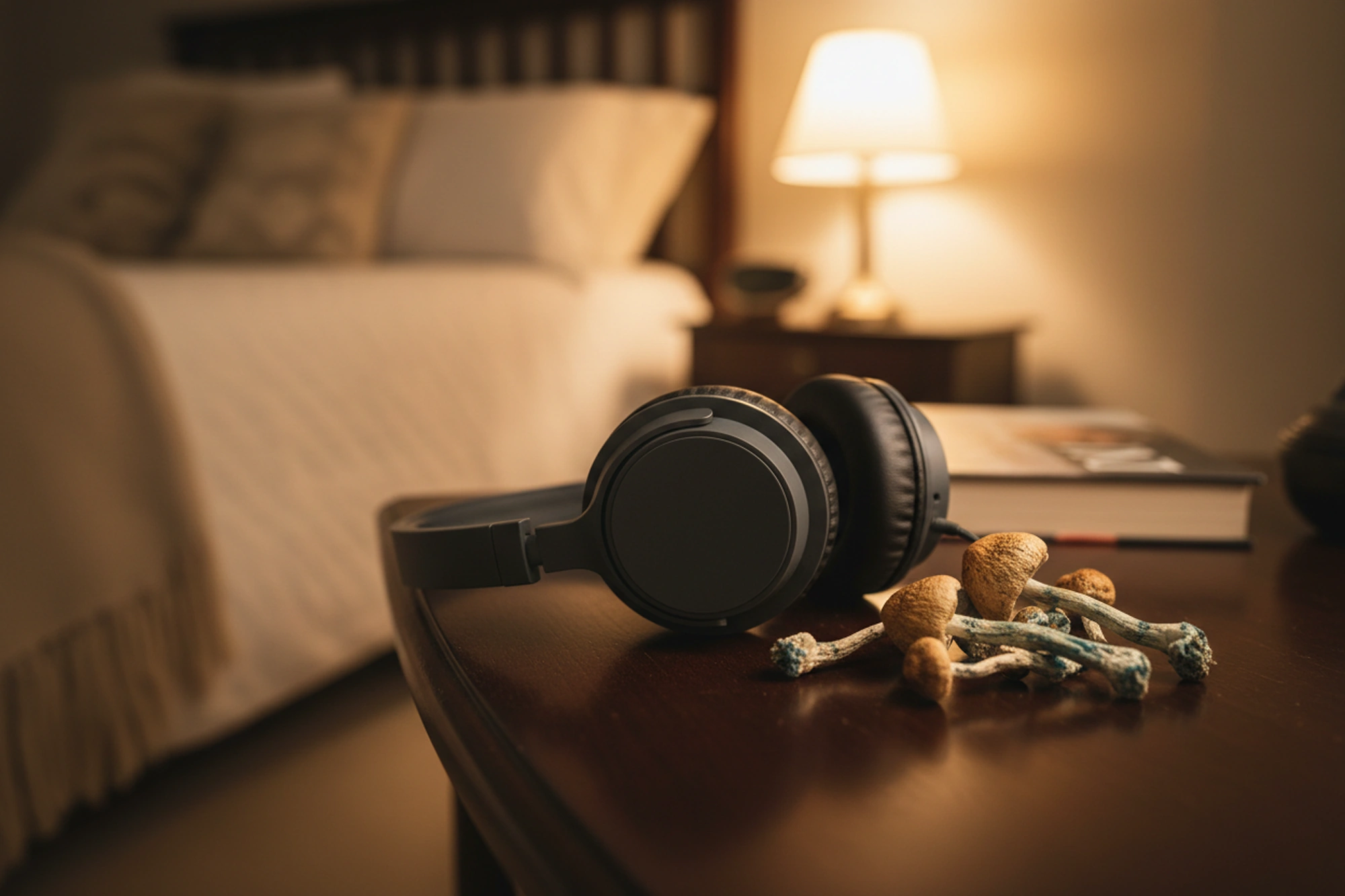
Music is one of the most powerful tools available during a difficult psilocybin experience. It gives your mind something to follow when thoughts are spiraling. Choose something without lyrics — classical, ambient or specifically curated psychedelic journey playlists. Avoid music with strong emotional associations or anything with aggressive energy. Let the music carry you rather than trying to direct where you go.
Have a Trusted Person Present
If you have someone with you — a sober trip sitter or a trusted friend — let them help. Physical contact can be grounding: a hand on the shoulder, sitting close, a calm voice. A good trip sitter doesn’t try to talk you out of what you’re experiencing. They stay calm, stay present and remind you that you’re safe and that it will pass. If you’re alone and the experience feels genuinely unmanageable, call someone you trust and stay on the phone with them.
What to Do After a Difficult Experience
The hours and days after a difficult psilocybin experience matter. Don’t rush back into normal routine immediately. Give yourself time to rest and integrate what happened. Journaling is useful — writing down what came up, what felt significant and what you want to sit with further. Many people find that the most difficult psilocybin experiences yield the most meaningful insights in retrospect, once the intensity has settled.
Avoid cannabis and alcohol for at least 24 hours after a difficult experience. Your nervous system needs time to regulate. Eat well, sleep and be gentle with yourself. If the experience has surfaced something emotionally significant — unresolved grief, anxiety, difficult memories — consider speaking with a therapist, particularly one familiar with psychedelic integration.
Microdosing as a Lower-Risk Alternative
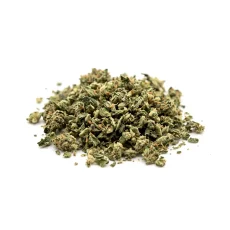
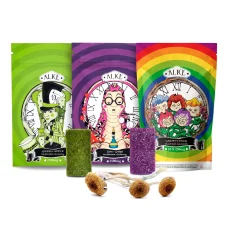
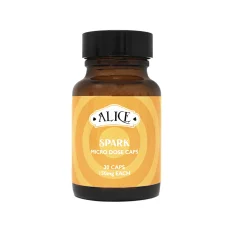
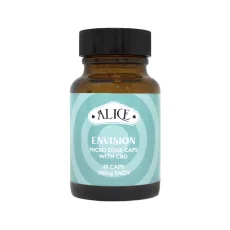
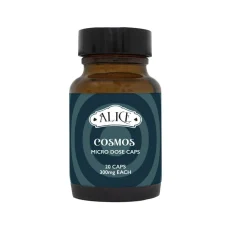
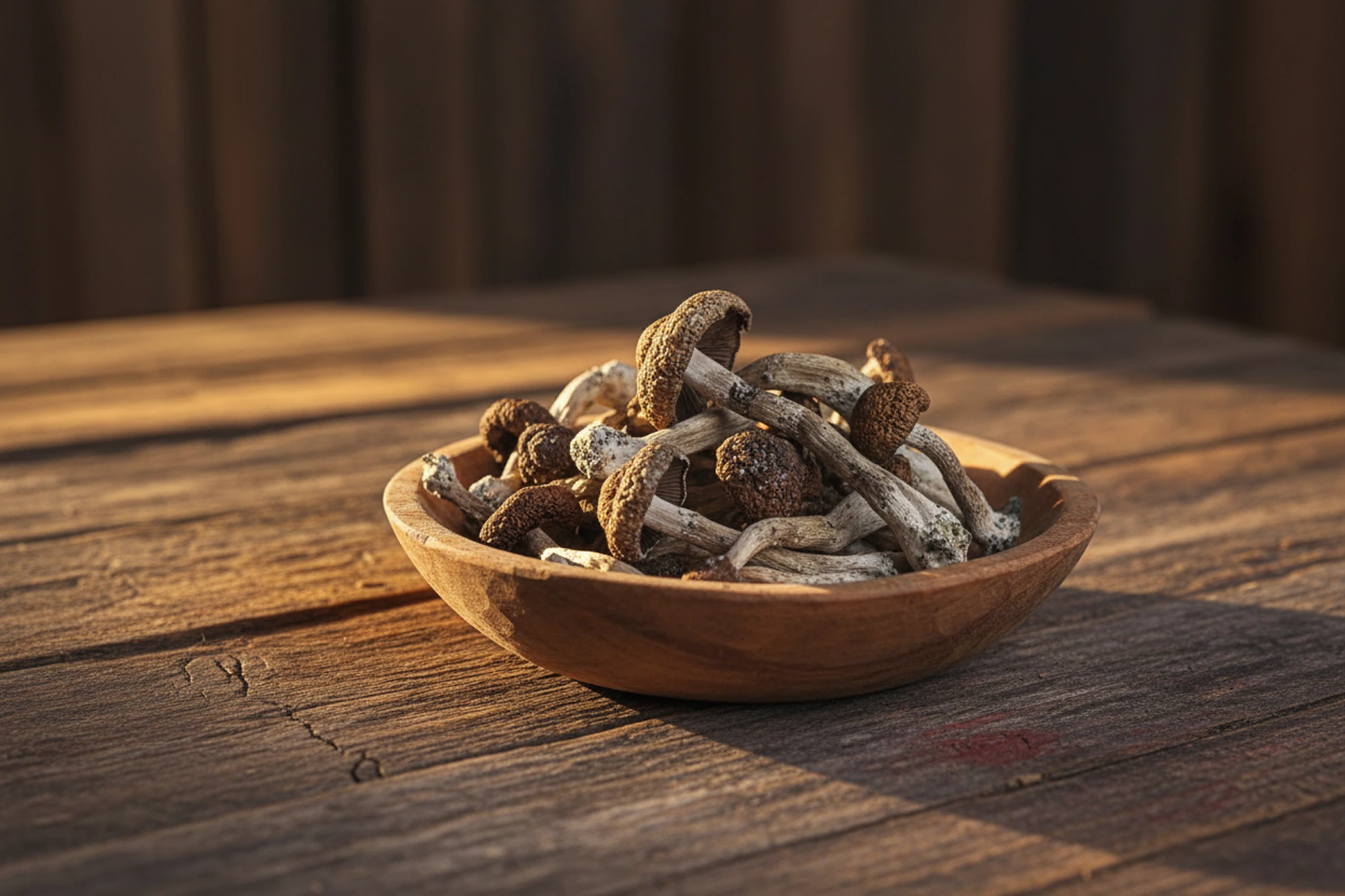
If you’re drawn to psilocybin but concerned about difficult experiences, microdosing is worth considering. A microdose — typically 0.1–0.3g of dried mushrooms — produces no perceptual effects but many users report improved mood, focus and emotional regulation with consistent use. Our psilocybin microdose capsules offer a controlled, measured starting point for those approaching psilocybin cautiously. Browse our full shrooms collection for current options including dried mushrooms, mushroom gummies and chocolate formats.
Harm reduction note: Psilocybin is not appropriate for everyone. People with a personal or family history of psychosis, schizophrenia or certain other mental health conditions should avoid psilocybin. If you are on medication — particularly SSRIs or MAOIs — research interactions carefully and consult a healthcare provider before use.
Explore Weed Market’s psilocybin collection — microdose capsules, mushroom gummies and dried mushrooms — all shipped fast and discreet anywhere in Canada. New customer? Use code WELCOME10 at checkout for 10% off your first order plus free shipping with no minimum.