Magic Mushrooms 101 – A Beginner’s Guide to Psilocybin
Psilocybin mushrooms have been used by humans for thousands of years – in ceremonial contexts, spiritual practice and more recently in clinical research settings exploring their potential role in mental health. In Canada, interest in psilocybin has grown significantly over the past several years alongside an expanding body of research. If you’re new to the subject, the amount of information available can feel overwhelming.
This guide cuts through the noise. It covers what psilocybin actually is, how it works in the brain and body, what the different formats and doses mean, and how to approach an experience safely if you choose to explore it. This is not a guide that encourages reckless use. It’s a guide built around the principle that informed people make better decisions.
Important note: Psilocybin mushrooms are a controlled substance in Canada outside of exempted research and medical contexts. This guide is educational and harm-reduction focused. Nothing here constitutes medical advice. If you are managing a mental health condition, speak with a healthcare professional before considering psilocybin in any form.
What Is Psilocybin and Where Does It Come From
Psilocybin is a naturally occurring psychedelic compound found in certain species of fungi – what most people refer to as magic mushrooms or shrooms. The compound itself is a prodrug: when ingested, it’s converted by the body into psilocin, which is the active form that produces psychedelic effects. Psilocin interacts primarily with serotonin receptors in the brain – specifically the 5-HT2A receptor – disrupting normal patterns of neural communication in ways that produce altered perception, changes in mood and emotion and, at higher doses, a significant shift in the sense of self and time.
The species most commonly associated with psilocybin are within the Psilocybe genus. Psilocybe cubensis is the most widely cultivated and distributed variety in the world – it’s the foundation of most products you’ll encounter in the Canadian market. Within cubensis alone there are dozens of named strains – Golden Teacher, Penis Envy, Blue Meanies and many others – each with slightly different potency profiles and reportedly different character to the experience, though the underlying compound is the same across all of them.
Psilocybin vs. Other Psychedelics
For context – psilocybin is a classic serotonergic psychedelic, in the same category as LSD and DMT in terms of mechanism. It is not chemically related to THC or to dissociatives like ketamine. It doesn’t interact with dopamine in the same way stimulants do and it has no known fatal dose in humans. It is, however, a powerful substance that commands genuine respect – not because it’s dangerous in a toxicological sense, but because the psychological territory it opens up is not always easy to navigate.
How Psilocybin Works in the Brain
Understanding the mechanism makes the experience less surprising and easier to navigate. Psilocybin’s effects come down to what it does to the default mode network – the brain system responsible for your sense of self, your internal narrative and the mental habits that organise your ordinary experience.
The default mode network is active when you’re thinking about yourself, planning, ruminating or daydreaming. It’s the system that maintains your sense of being a continuous, bounded person moving through time. Psilocybin disrupts this network – sometimes profoundly, depending on the dose. What surfaces in that disruption is different for everyone: unprocessed emotions, unexpected insights, altered sensory perception, a sense of connection to something larger than the individual self. The content varies. The mechanism is consistent.
At the same time, psilocybin increases the connectivity between brain regions that don’t normally communicate directly. This is thought to underlie the creativity, unexpected associations and novel perspectives that many users report. Neuroimaging studies have shown that the brain under psilocybin looks genuinely different from its normal state – and that some of those changes in connectivity can persist for weeks after the experience.
What to Expect – A Timeline of Effects
Onset and duration vary depending on format, dose and individual factors. Here’s a general timeline for a moderate oral dose of dried mushrooms or an edible equivalent:
| Time After Ingestion | What’s Typically Happening |
| 0–30 min | Little to nothing noticeable – possibly mild stomach awareness |
| 30–60 min | Come-up begins – shifts in perception, mood changes, body sensations |
| 60–120 min | Peak intensity approaching – visual effects, emotional surfacing, altered sense of time and self |
| 2–4 hours | Full peak – most intense portion of the experience |
| 4–5 hours | Come-down – effects softening, gradually returning toward baseline |
| 5–6 hours | Near baseline – afterglow, tiredness, reflective state |
| Following day | Residual emotional openness, fatigue – integration begins |
A few things this table can’t capture: the come-up can feel unsettling before it becomes manageable, especially at higher doses. Nausea is common in the first 30–60 minutes – having a light meal 2–3 hours beforehand (not immediately before) reduces this significantly. And the experience is rarely linear – it moves in waves rather than building smoothly to a peak and declining cleanly.
Psilocybin Dosage – A Practical Guide
Dose is the single most important variable in any psilocybin experience. It determines whether you have a subtle, manageable shift in mood or a full, ego-dissolving psychedelic journey. These are not the same thing. Understanding the rough dose tiers gives you the ability to make an informed choice before you start.
The following ranges are for dried mushroom weight. Edibles and capsules use psilocybin mg – the conversion is approximately 10mg psilocybin per gram of dried mushroom, though potency varies by strain and batch.
| Dose (Dried Mushroom) | Psilocybin Equivalent | Experience Level | Typical Effects |
| 0.05-0.3g | 500mg-3000mg | Microdose | No perceptual effects. Subtle mood lift, focus, emotional ease |
| 0.5-1g | 500mg-1000mg | Low / Threshold | Mild perceptual shifts, mood change, light visuals |
| 1-2g | 1000mg-2000mg | Beginner / Moderate | Clear psychedelic effects, emotional surfacing, altered time sense |
| 2-3.5g | 2000mg-3500mg | Moderate / Strong | Significant visuals, strong emotional content, self-reflection deepens |
| 3.5g+ | 3500mg+ | High / Experienced only | Intense – ego dissolution possible. Experienced users only, with support |
For a first experience, 0,5-1g of dried mushroom equivalent is the most commonly recommended starting range. It’s enough to produce a genuine, meaningful experience without the intensity that higher doses bring. Many experienced guides suggest that the most useful first psilocybin experience is not the most intense one possible – it’s the one that gives you enough to work with while leaving you capable of navigating what comes up.
Set and Setting – The Two Variables That Matter Most
No factor shapes a psilocybin experience more than set and setting. These two words carry more practical weight than the mushroom strain you choose, the format you use or most other considerations combined.
Set refers to your mindset going into the experience – your emotional state, your intentions and what you’re carrying psychologically on that particular day. Psilocybin tends to amplify and bring to the surface whatever is present in the set. A calm, open, curious mindset creates conditions for a positive experience. High anxiety, significant unresolved stress or emotional turmoil on the day of the experience creates conditions for a more challenging one. This doesn’t mean difficult emotions disqualify you from a psilocybin experience – sometimes those are exactly what surfaces and needs attention. But it means being honest with yourself about where you are before you start.
Setting refers to your physical environment and the people around you. Safe, comfortable and familiar is the consistent recommendation – especially for first experiences. Your own home, a trusted friend’s space, somewhere you feel genuinely at ease. Access to nature is commonly reported to enhance the experience. Crowds, public spaces, unfamiliar environments and situations with social obligations all add unnecessary complexity.
The Trip Sitter
For a first experience or any experience at a meaningful dose, having a sober, trusted person present – a trip sitter – is strongly recommended. A good trip sitter doesn’t guide the experience or try to shape what happens. They stay calm, stay present and provide reassurance that you’re safe and that what’s happening is temporary. Knowing someone is there is often enough to reduce anxiety significantly during difficult moments.
Psilocybin Formats – What’s Available and How They Differ
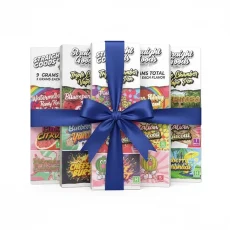
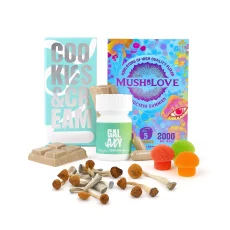
The Canadian market has moved well beyond dried mushrooms as the only option. At Weed Market the psilocybin collection spans six distinct formats – dried mushrooms, chocolates, gummies, teas and drinks, capsules and the Explorer Pack bundle. The format you choose matters as much as the dose. Onset time, duration, stomach comfort and how precisely you can control what you’re taking all vary meaningfully between them. Here’s how to think about each one.
Dried Mushrooms
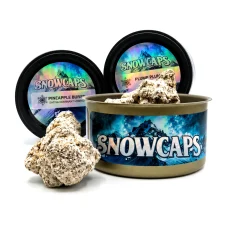
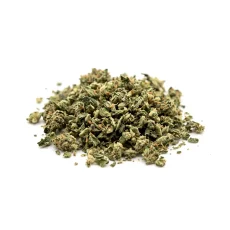
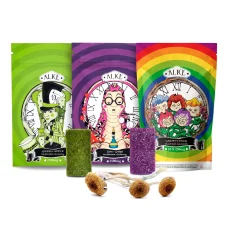
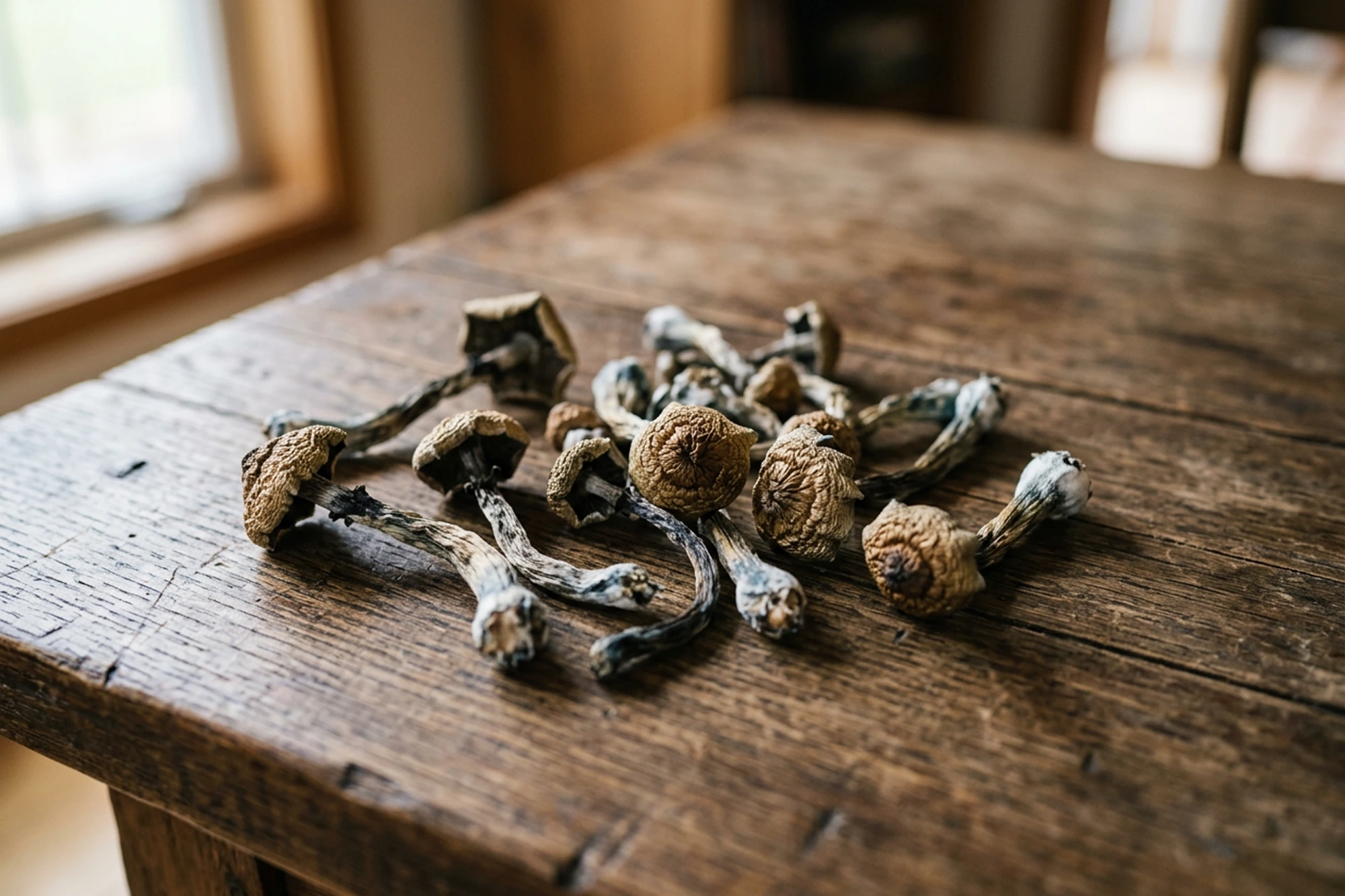
The most traditional format and the most variable in terms of potency. Dried mushroom weight is not a precise proxy for psilocybin content – different strains and different batches of the same strain can vary meaningfully. That said, dried mushrooms remain popular among experienced users for the authenticity of the experience and the broader range of strains available.
At Weed Market we carry classic cubensis strains including Amazonian Cubensis and Albino Treasure Coast alongside Vietnamese Magic Mushrooms for something a little different in character. At the higher potency end, Penis Envy Magic Mushrooms are consistently reported as significantly stronger mg-for-mg than most other cubensis strains – six five-star reviews from buyers who knew exactly what they were getting into. Not a beginner strain. Worth knowing about when you’re ready for it.
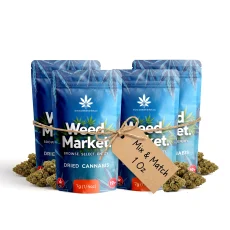
Mix & Match 1oz Magic Mushrooms
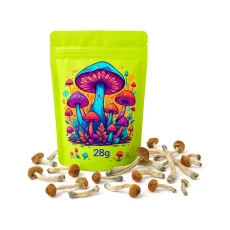
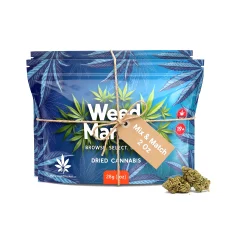
For anyone who wants to explore different dried mushroom strains without committing to a full ounce of one variety – the Mix & Match 1oz (28g) Magic Mushrooms lets you build your own 28g bundle across up to four strains. Current options include Albino Treasure Coast, Penis Envy, Amazonian Cubensis and Vietnamese Magic Mushrooms – mix them in any combination or go deep on a single strain if you already know what you want. Three five-star reviews from buyers who used it exactly as intended: a practical way to sample across varieties and figure out what works for you before buying in larger quantities.
Mushroom Chocolates
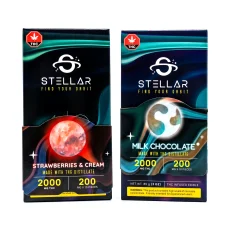
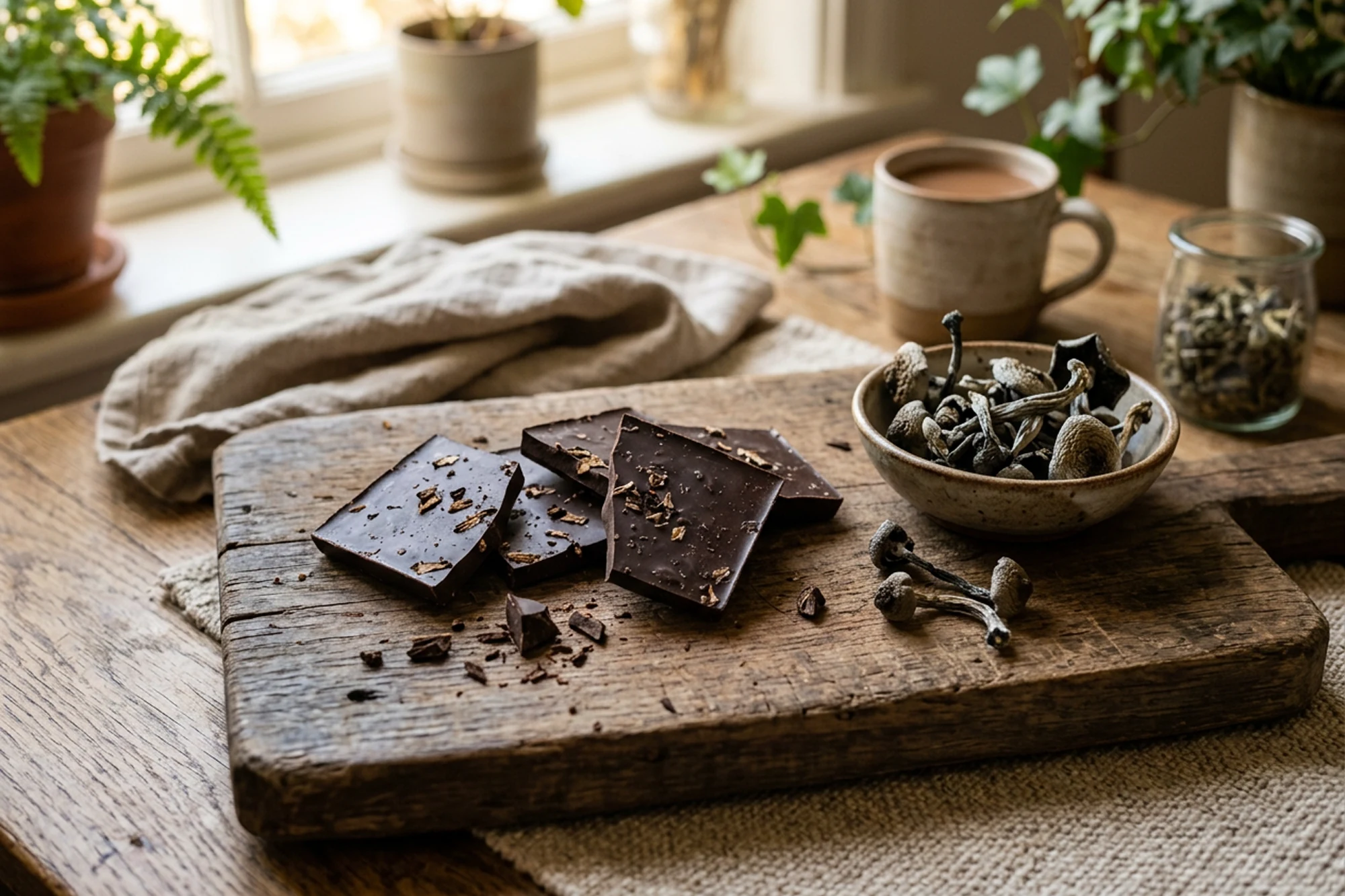
Chocolate masks the earthy, sometimes unpleasant flavour of dried mushrooms and allows for clean portion control – each square is a measured dose. The format has become one of the most popular entry points for new users and the range has expanded significantly.
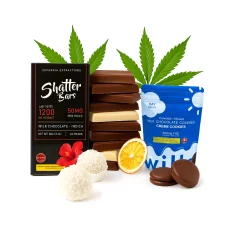
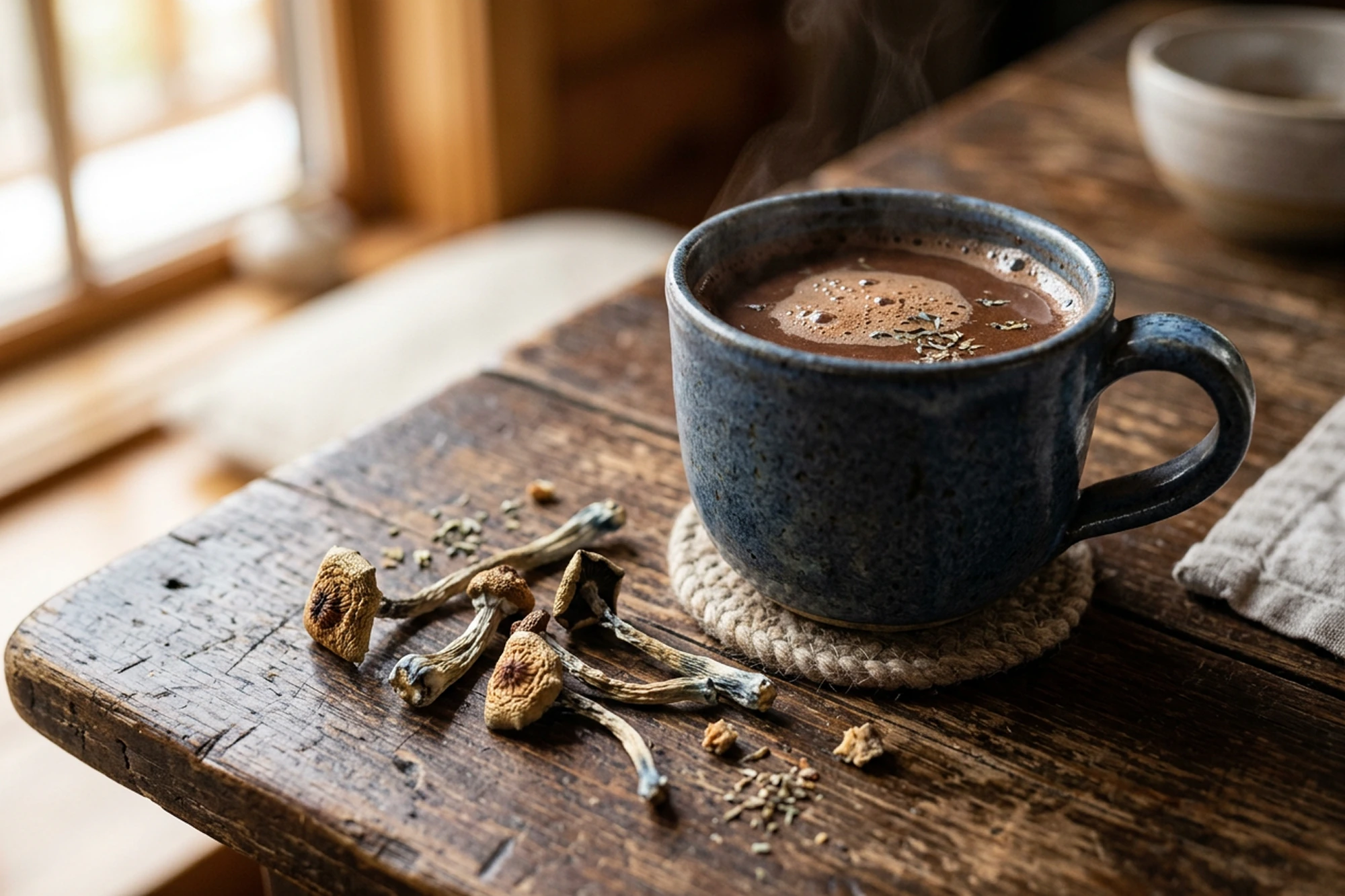
Euphoria Psychedelics offers bars at 1.2g, 3g and 6g – their 3g Shroom Chocolate Bars are the best-reviewed in the range with five five-star ratings. Wonder Psilocybin brings their 3g Magic Mushroom Chocolates and the high-potency 6g Acadian Magic Mushroom Chocolate Bar, both carrying strong buyer ratings. For something different in format, the Euphoria Extractions Psilocybin Hot Chocolate delivers 1000mg in a warm drink format that many users find easier on the stomach – available in 1g and 3g. MOTA’s Mush Love Orange Mushroom Chocolate sits at the high end at 5000mg, currently on sale and squarely in experienced-only territory. Browse the full mushroom chocolate collection.
Mushroom Gummies
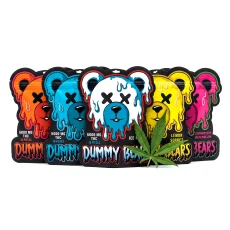
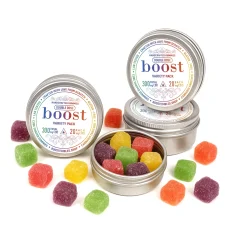
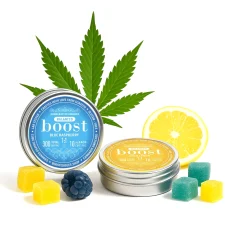
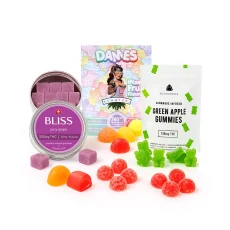
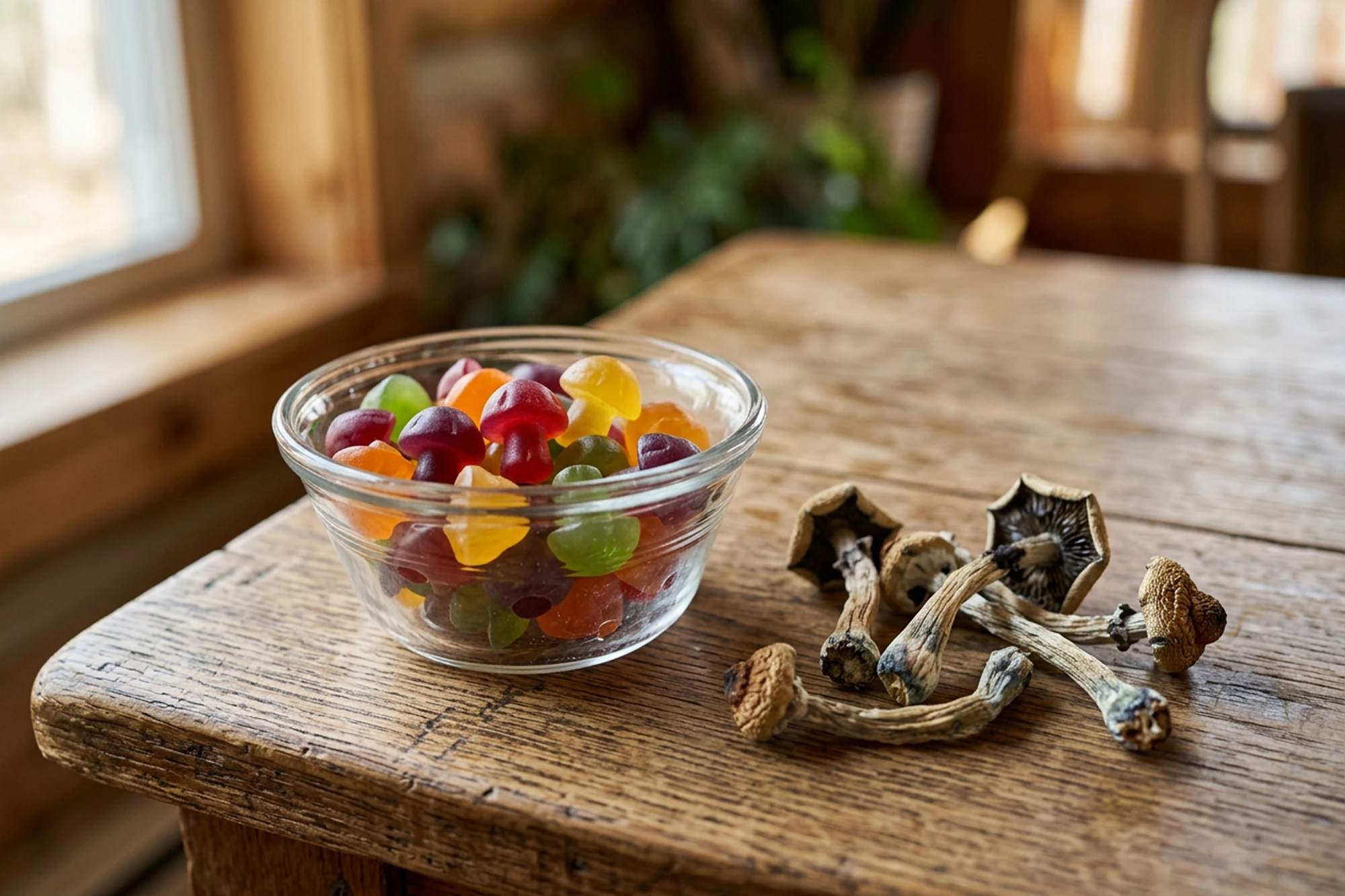
The most accessible format for many users – familiar, portable and available in a wide potency range. The mushroom gummies range now includes options from Euphoria Psychedelics, FunGuy, Haven, Shafaa, Dames and Wonder Psilocybin.
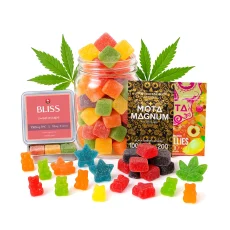
Euphoria Psychedelics Psilocybin Gummies come in 1g, 4g and 6g formats with clear per-piece dosing – the 1g option is the most approachable starting point for new users. Their Psilocybin Hazelnut Bites are one of the best-rated new arrivals in the category: 1000mg and five five-star reviews. Haven’s 3500mg Psilocybin Gummies are new to the catalogue and both carry strong early ratings. FunGuy Sour Gems Magic Mushroom Gummies offer 4000mg in a sour format that’s earned three five-star reviews. At the higher potency end, Shafaa Mushrooms Penis Envy Gummies at 5000mg and Wonder Psilocybin Gummies at 3000mg are both consistently well-reviewed options for experienced consumers.

Psilocybin Teas and Drinks
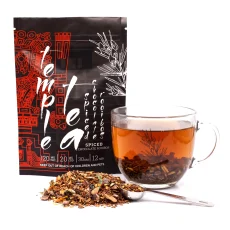
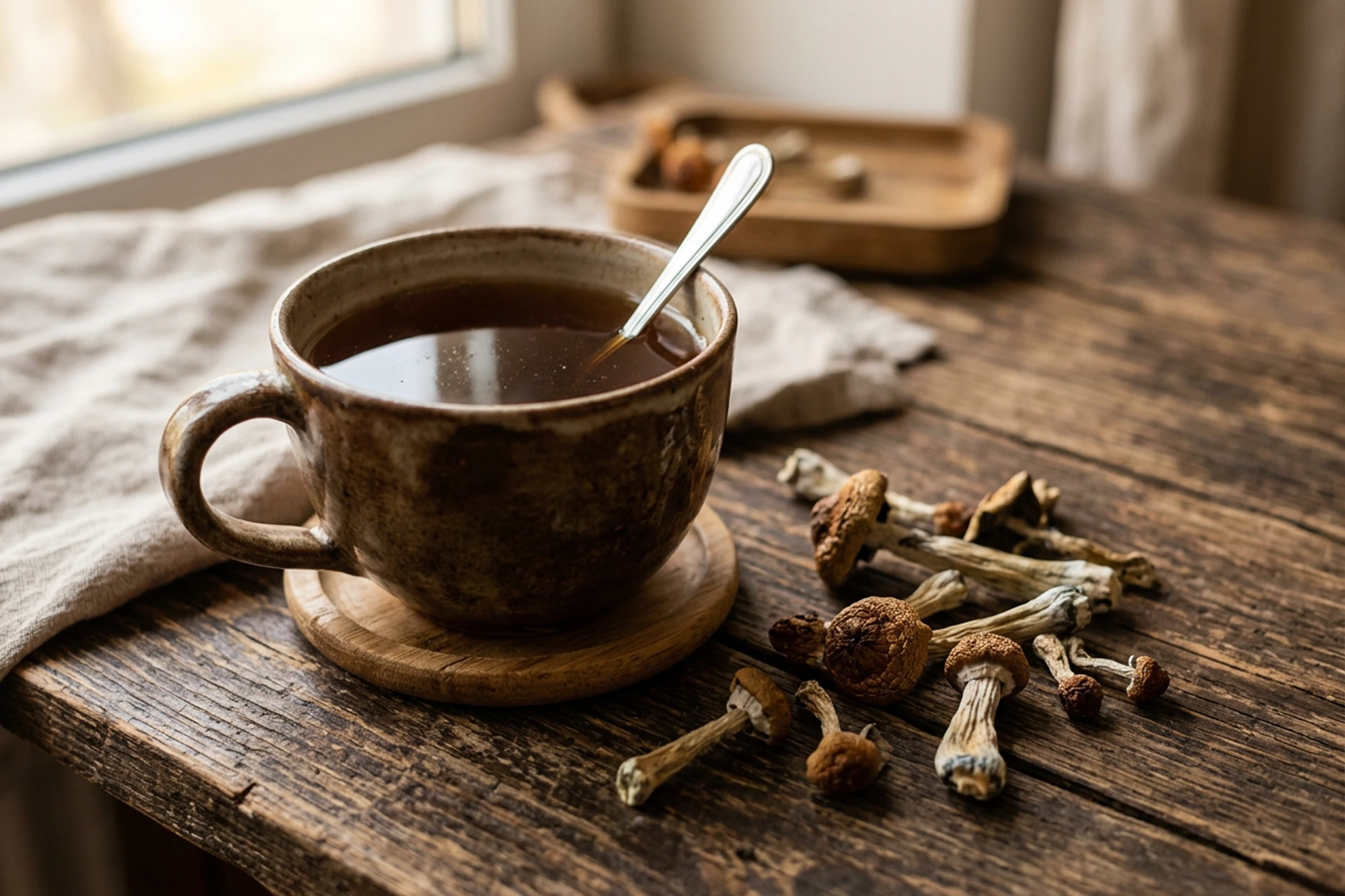
A format that’s grown significantly in the catalogue. Warm tea formats tend to have a faster onset than chocolates or gummies processed through full digestion and many users find them notably easier on the stomach.
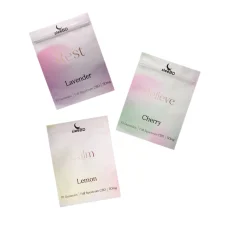
Euphoria Psychedelics Psilocybin Tea comes in 1g, 2g and 3g formats – the 3g version carries three five-star reviews. Their 3G Sips Mix is a cold drink powder format at 3000mg with four five-star reviews and has become one of the standout products in the shrooms catalogue. MOTA Room 920 Magic Mushroom Tea is a reliable option from one of Canada’s most recognised brands. The White Rabbit Psilocin Mushroom Drink deserves specific mention – new to the catalogue, four five-star reviews and unique in using psilocin rather than psilocybin, which means faster and more direct onset than standard formats. An interesting option for experienced users who want a different experience profile.
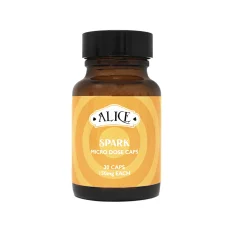
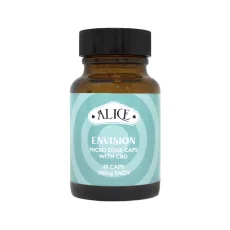
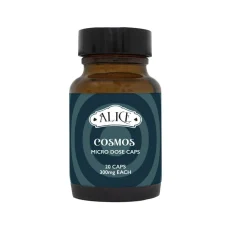
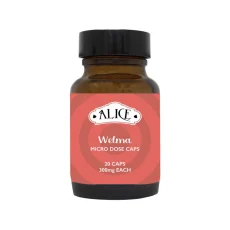
Microdose and Macrodose Capsules
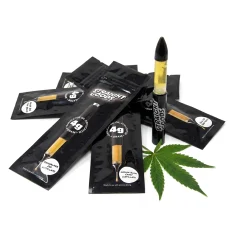
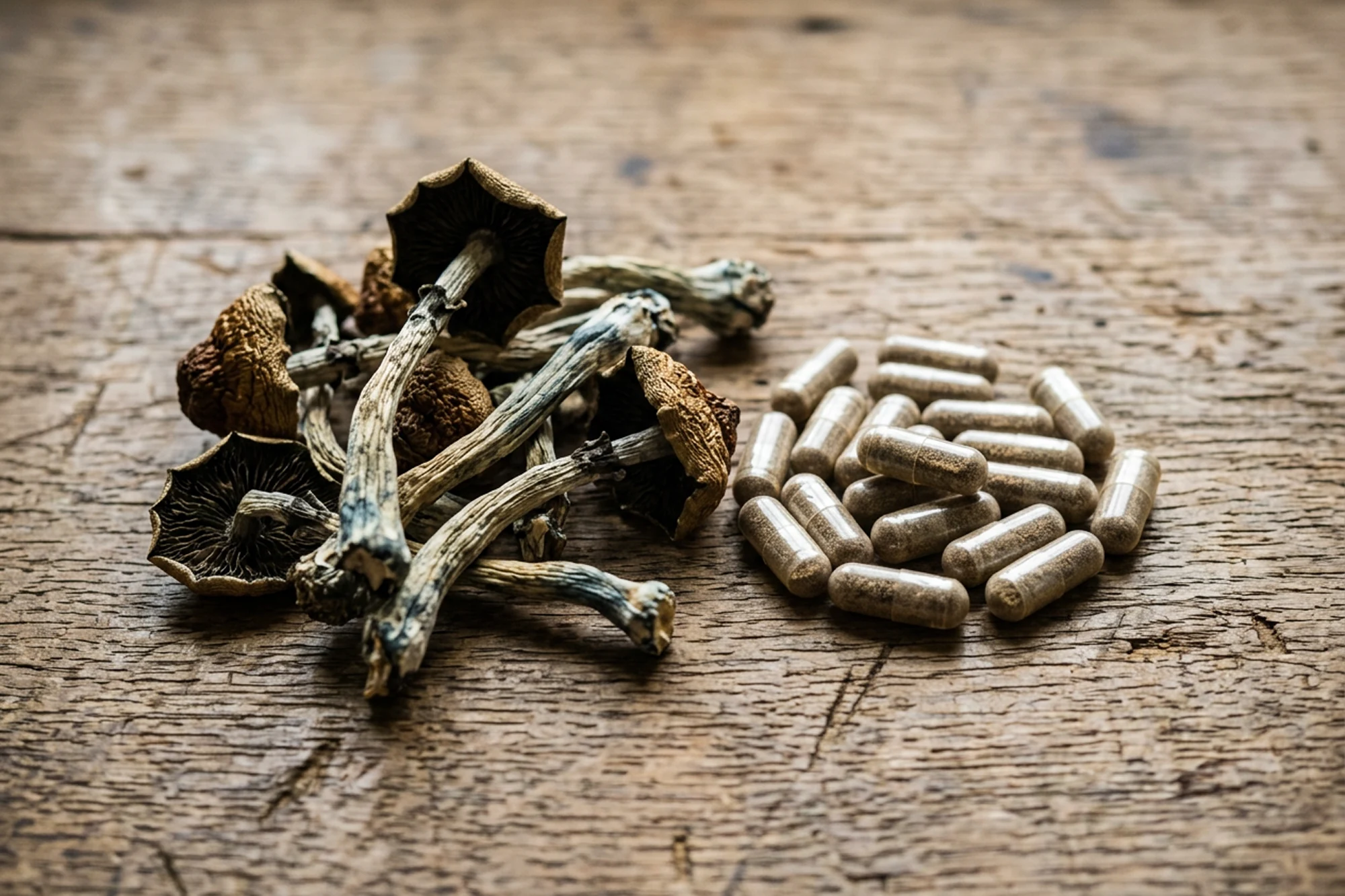
The most controlled and consistent format available. Each capsule contains a precisely measured amount of psilocybin – no flavour, no variability, easy to incorporate into a daily routine.
For microdosing, Shafaa Immunity Microdosing Psilocybin Capsules at 100mg per capsule are the most beginner-friendly option – four five-star reviews, formulated with additional immune-supporting ingredients. Euphoria Psychedelics Skywalker Capsules come in 1500mg and 3000mg formats, both new to catalogue with three five-star reviews each. For intentional macrodose sessions, Shafaa Heal Macrodose Magic Mushroom Capsules are the highest-rated capsule product in the catalogue – five five-star reviews. Shafaa Dissolve Macrodose Capsules at 5000mg are new to catalogue. MOTA Room 920 Golden Teacher Capsules at 15000mg total sit at the high end of the range – designed for repeated sessions from experienced consumers who already know their dose well.
Microdosing – A Different Approach Entirely
Microdosing has become one of the most discussed applications of psilocybin – and it’s worth treating it as a separate topic from full-dose experiences because the goals, the approach and the effects are genuinely different.
A microdose is typically defined as 5–10% of a full psychedelic dose – small enough that no perceptual effects occur. You don’t feel high. You don’t have visuals. What many microdosers report instead is a subtle but meaningful shift in their baseline: more emotional flexibility, slightly improved focus and a reduction in the rigid thought patterns associated with depression and anxiety.
Common microdosing protocols involve taking a dose every three days rather than daily – the most widely used schedule is one day on, two days off. This is thought to prevent tolerance from building while allowing the subtle effects to accumulate. Capsules are the most consistent format for microdosing but low-dose edibles are also used. Shafaa Immunity Microdosing Capsules at 100mg and Euphoria Psychedelics Skywalker Capsules at 1500mg are both well-suited to this approach and currently in stock in our shrooms collection.
What Microdosing Is Not
Microdosing is not a treatment for depression or anxiety. The research is still early and the evidence base, while promising, is not yet conclusive. Many people find it genuinely useful. Some don’t notice meaningful effects. A small number find sub-perceptual doses produce unwanted anxiety. Start with the lowest available dose, keep notes and give it at minimum four weeks before drawing conclusions.

What Can Go Wrong – Honest Harm Reduction
Psilocybin is not addictive in the conventional sense – it doesn’t produce physical dependence and tolerance resets quickly. It has no known fatal dose. But “not dangerous in a toxicological sense” is not the same as “risk-free.” The psychological risks are real and worth taking seriously.
- Difficult experiences – often called bad trips – are common, particularly at higher doses or in suboptimal set and setting. They’re not inherently harmful and many people report that the most challenging psilocybin experiences were ultimately among the most meaningful. But they can be genuinely frightening in the moment and they require either a trip sitter’s support or well-developed self-regulation skills to navigate.
- Latent mental health vulnerabilities – psilocybin can surface or temporarily amplify psychological distress that was already present. People with a personal or family history of psychosis, schizophrenia or bipolar disorder should avoid psilocybin. This is not a minor caution – it’s one of the clearest contraindications in the clinical literature.
- SSRI interactions – if you are taking selective serotonin reuptake inhibitors, the effects of psilocybin are typically significantly blunted. Some users increase dose to compensate, which creates unpredictable results. Consult a healthcare provider before combining psilocybin with any medication.
- The Psilocybin Explorer Pack – our Pick Any 4 bundle is a useful way to explore different formats at a manageable investment. It’s best approached after you’ve established your dose baseline with one format first.
Before Your First Experience – A Checklist
Run through this before you begin:
- Have you chosen a dose appropriate to your experience level – starting conservatively?
- Is your set in a genuinely good place today – not high-anxiety, not in the middle of a crisis?
- Is your setting safe, comfortable and familiar?
- Do you have a trusted, sober person available – either present or reachable by phone?
- Have you eaten a light meal 2–3 hours beforehand?
- Do you have 8–10 hours with no obligations – including the following morning?
- Have you researched potential medication interactions?
- Do you know what to do if the experience becomes difficult? (See our guide: How to Manage a Difficult Psilocybin Experience)
All yes? You’ve done the preparation that most people skip. That preparation is more valuable than any other variable in determining how the experience goes.
Harm reduction note: Psilocybin is not appropriate for everyone. People with a personal or family history of psychosis, schizophrenia or bipolar disorder should avoid psilocybin entirely. Do not use psilocybin while on MAOIs or lithium without consulting a healthcare provider – these combinations carry specific risks. Psilocybin is not a substitute for professional mental health care. If you are in crisis, please reach out to a healthcare professional or crisis line.