Understanding THC Percentages – What Counts as High-THC?
THC percentage is the number most people check first on a product label, and it’s also one of the most misunderstood. A higher number doesn’t automatically mean a better product, and what counts as “high-THC” changes depending on whether you’re looking at flower, a vape cartridge or a concentrate. Labels vary by producer too, and a shopper comparing two brands side by side can end up confused simply because one measures potency differently than the other. This guide breaks down what THC percentage actually measures, what ranges count as low, moderate and high across different product types, and why the number on the label is only part of the picture.
What Does THC Percentage Actually Measure?
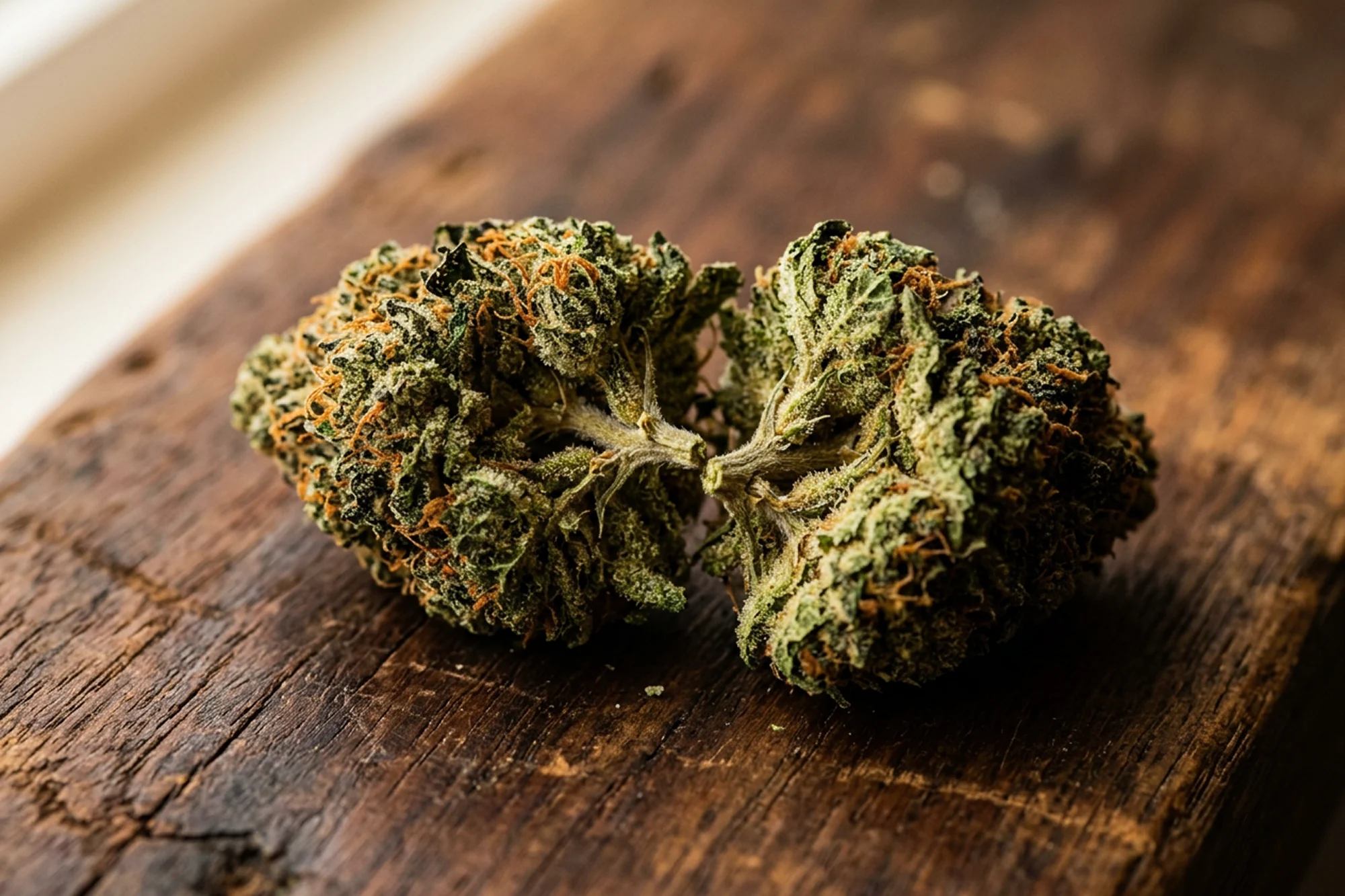
THC percentage refers to the proportion of tetrahydrocannabinol by weight in a given product, tested and reported by a licensed lab before the product reaches shelves. For flower, that number reflects how much of the dried plant material by weight is THC, which is why a 20% THC flower has noticeably more psychoactive compound per gram than a 12% one. The testing itself happens in a lab using chromatography, not a visual estimate, so the number on a label should reflect an actual measured result rather than a marketing guess. It’s worth knowing that this number can vary batch to batch even within the same strain name, since growing conditions and harvest timing both affect final potency, and a strain that tested at 22% one season might come in a point or two different the next.
What Counts as Low, Moderate and High THC?
There’s no single universal cutoff for what counts as high-THC, but the cannabis industry has settled into rough, commonly used bands for flower specifically. These bands shift a bit depending on the market and the source, but they give a useful starting point for comparing products. Cannabis concentrates and edibles use entirely different scales, which is covered further down. For now, here’s how flower potency typically breaks down.
Low-THC (Under 15%)
Flower in this range is generally considered mild, often chosen by newer users or anyone who wants the experience of cannabis without a strong psychoactive effect. CBD-dominant strains frequently fall into this category as well, since a strain can be labeled low-THC while still carrying meaningful CBD content. This range tends to produce a lighter, more manageable effect that’s easier to gauge for someone still learning their own tolerance.
Moderate-THC (15% to 20%)
This is where most mainstream weed flower sits, and it’s the range a lot of regular consumers settle into over time. It’s strong enough to produce a clear effect without pushing into territory that tends to overwhelm an average tolerance. Most strains marketed as general-purpose flower, rather than specifically as a high-potency product, land somewhere in this band.
High-THC (20%+)
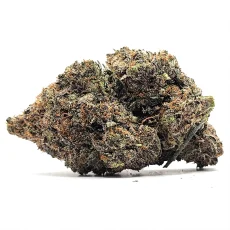
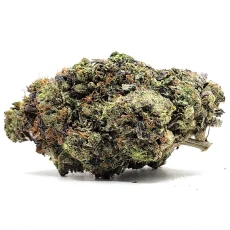
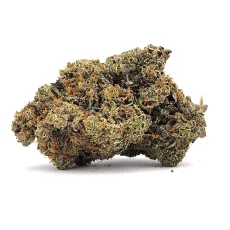
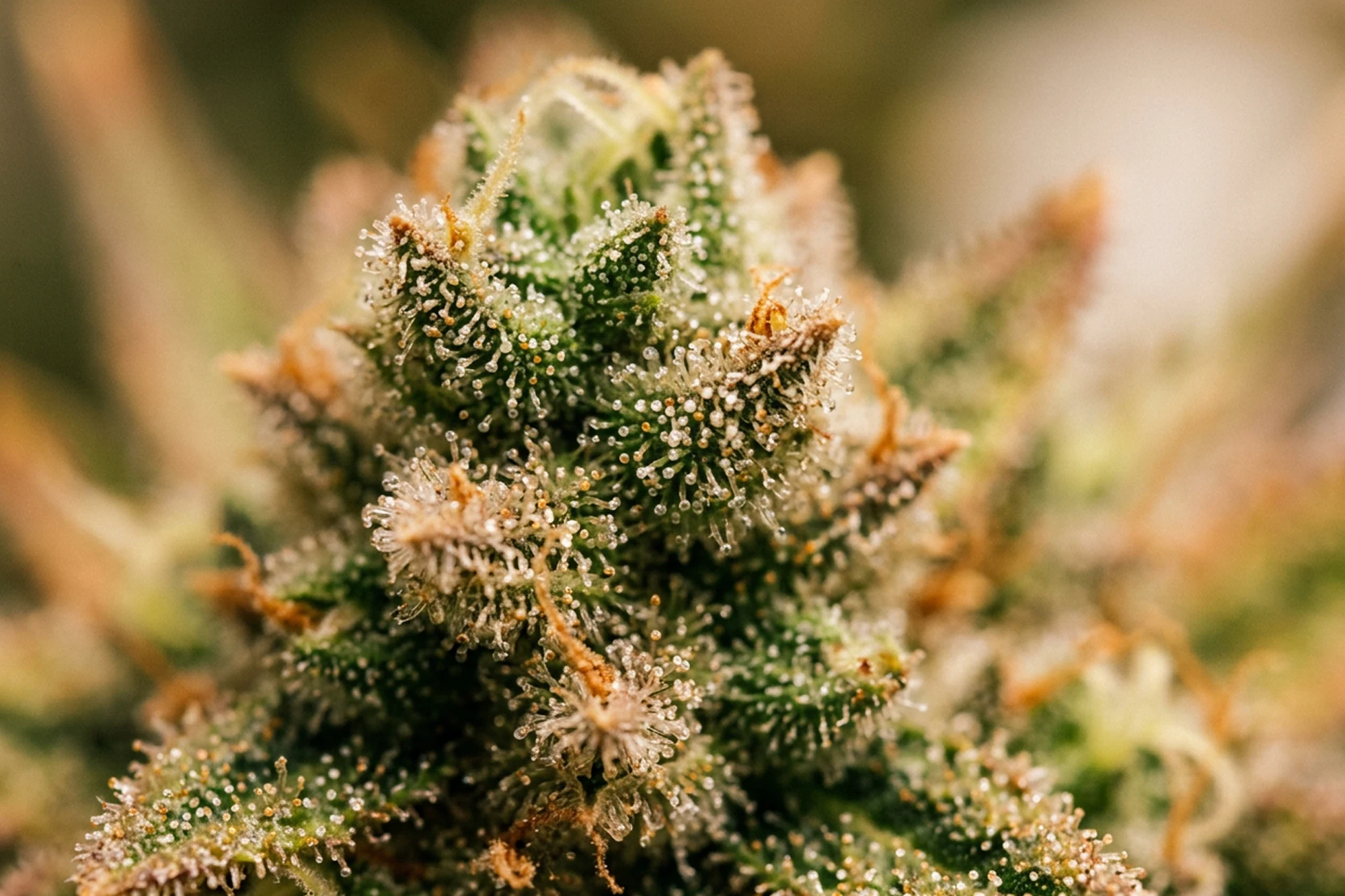
Anything above roughly 20% is generally considered high-THC in flower, with some premium or specialty strains, including certain AAAA-grade Quads, pushing into the mid-to-high 20s or higher. At this level, effects come on stronger and faster, and tolerance matters more than at lower potencies. This is the range where a smaller amount goes a lot further than the same weight of moderate-THC flower would.
Why THC Percentage Isn’t the Whole Story
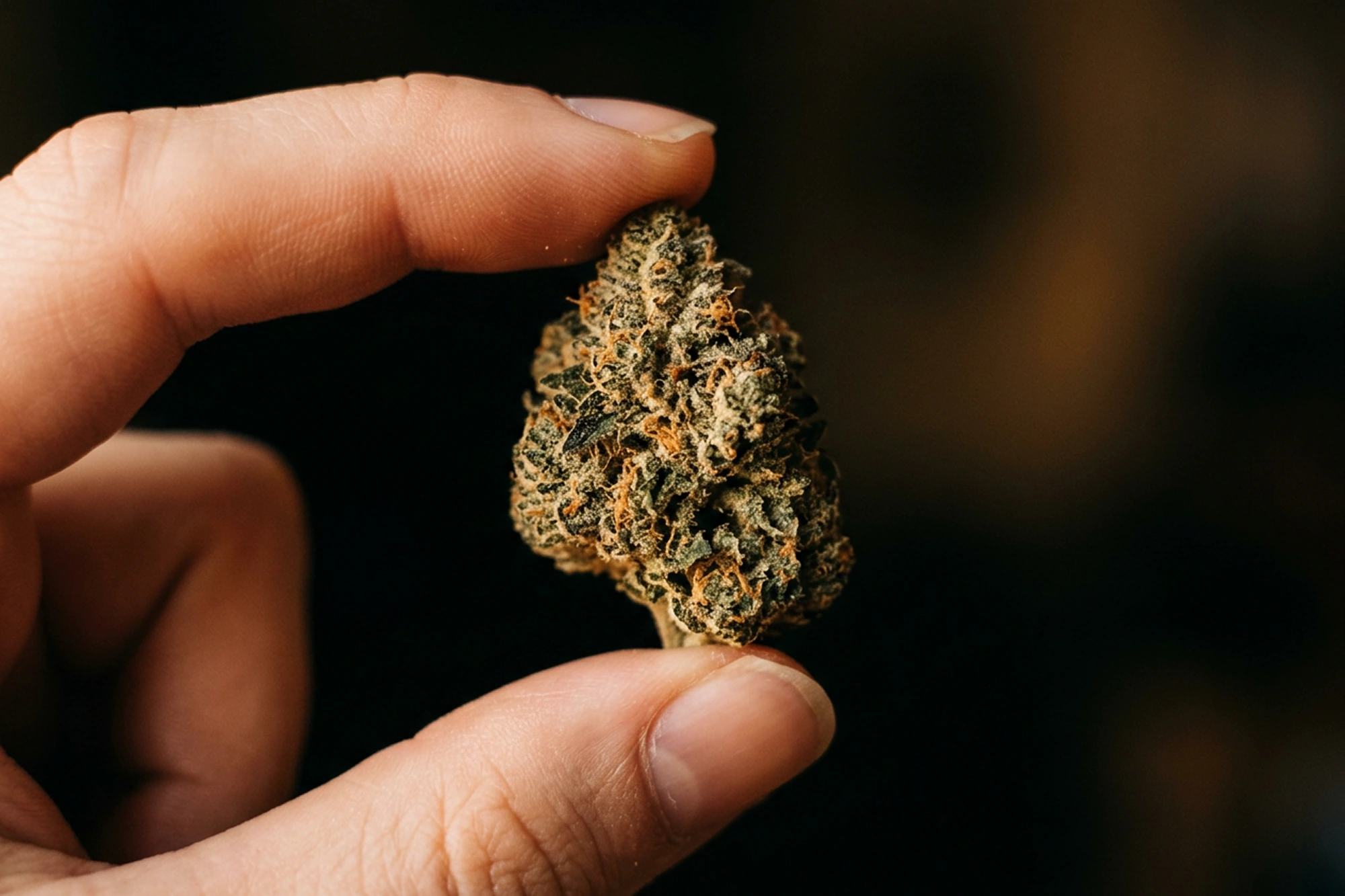
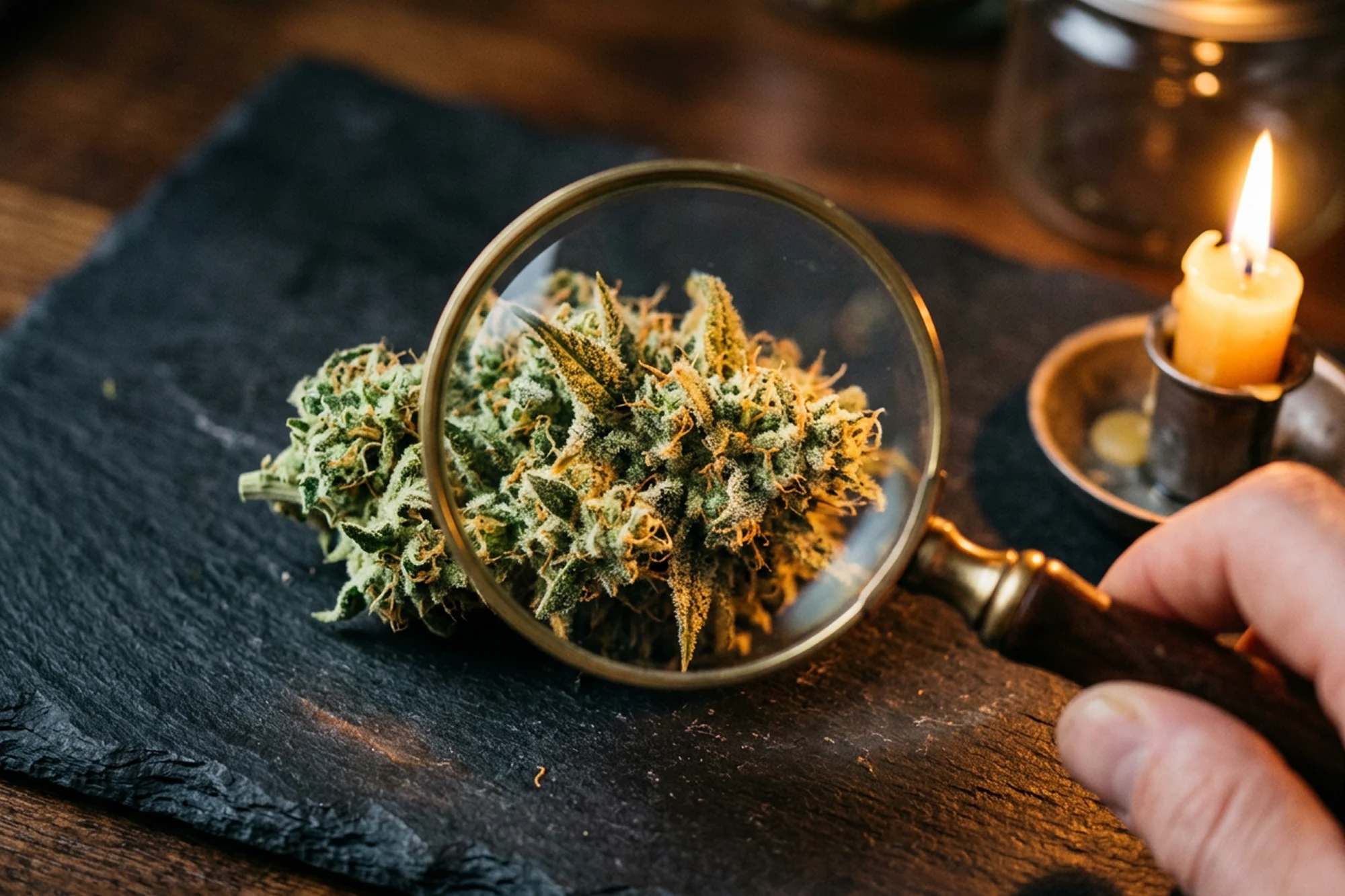
A high THC percentage doesn’t automatically mean a better or more enjoyable product, even though it’s tempting to shop by that number alone. Terpenes, the aromatic compounds responsible for a strain’s smell and flavour, also influence the overall effect through what’s often called the entourage effect, where cannabinoids and terpenes interact rather than acting in isolation.
Two flowers with identical THC percentages can produce noticeably different experiences depending on their terpene profile and the balance of other cannabinoids present. Minor cannabinoids like CBG and CBN, along with the specific ratio of THC to CBD, also shape how a product feels well beyond what the headline THC number suggests. This is part of why some experienced consumers actually prefer a slightly lower THC percentage paired with a terpene profile they enjoy over the highest number on the shelf.
THC Percentage by Product Type
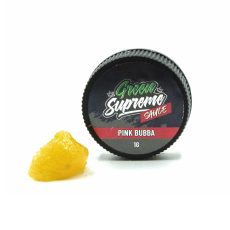
Flower, concentrates and edibles all measure potency differently, and comparing a flower percentage directly to a concentrate percentage or an edible’s milligram count leads to confusion fast. Concentrates are measured the same way as flower, as a percentage of THC by weight, but the numbers run much higher because the plant material has been stripped away entirely.
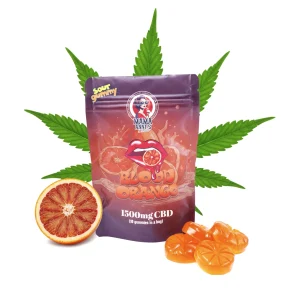
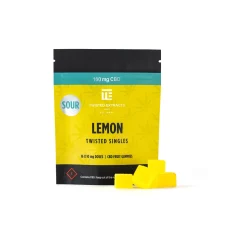
Weed edibles work on a completely different system, measured in total milligrams of THC per package or per serving rather than a percentage. Understanding which scale applies to which product type is the first step to actually comparing potency across categories.
| Product Type | Typical Potency Range | Measured In |
| Flower (standard) | 12% to 20% | Percentage by weight |
| Flower (high-potency / Quads) | 20% to 30%+ | Percentage by weight |
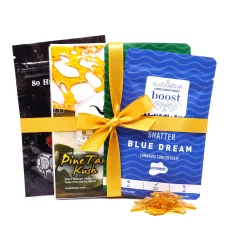
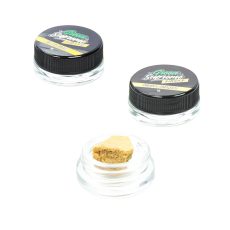
| Concentrates (shatter, wax, live resin) | 60% to 90%+ | Percentage by weight |
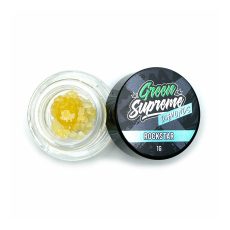
| THC Diamonds | 90%+ | Percentage by weight |
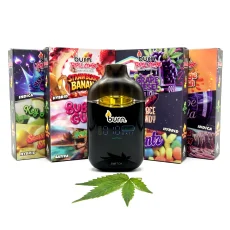
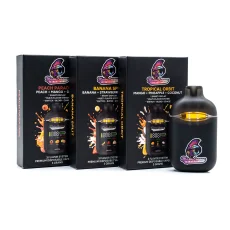
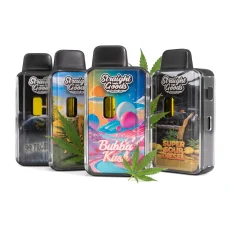
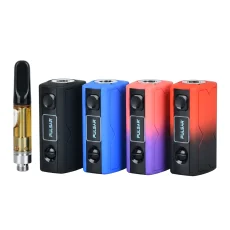
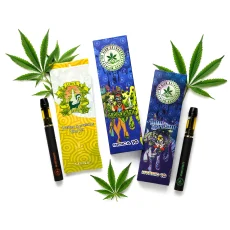
| Vape cartridges / distillate | 70% to 90%+ | Percentage by weight |
| Edibles | Varies by serving | Milligrams (mg) per package or dose |
How Tolerance Changes What “High” Means
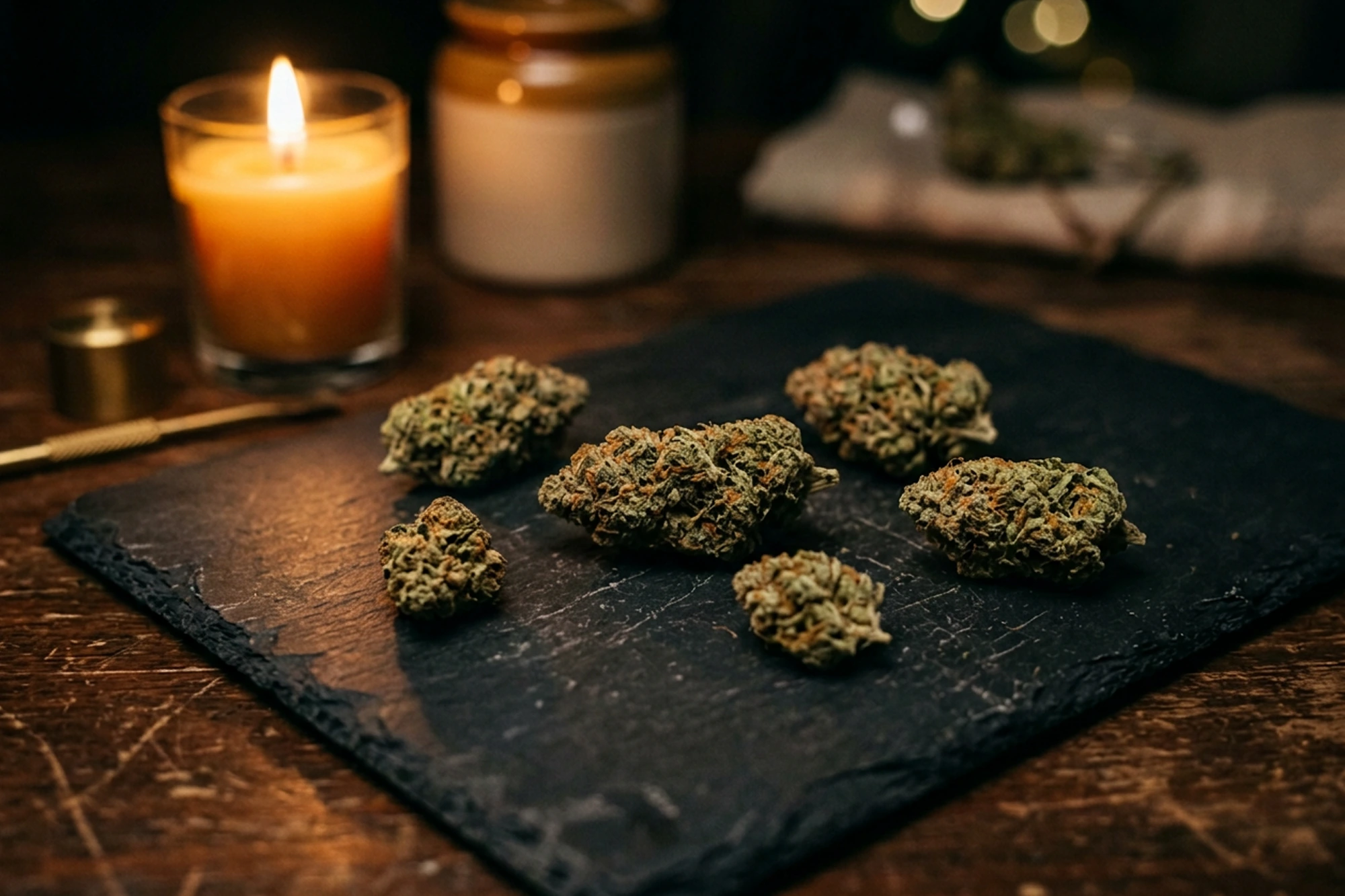
Tolerance is the variable that makes a fixed percentage feel completely different from one person to the next. Someone who consumes regularly can find a 25% THC flower manageable, while the same product might feel overwhelming to someone who rarely uses cannabis or is trying it for the first time. This is exactly why the percentage on a label is a starting point for comparison, not a guarantee of how strong an experience will actually feel for you personally. Building tolerance takes time, and it resets at least partially after a period without use, which is worth remembering if you’re returning to cannabis after a break.
Choosing the Right Potency for You
Matching potency to experience level matters more than chasing the highest number available. The right starting point depends heavily on how often you consume and how your body has responded to cannabis in the past. Someone shopping for a first purchase and someone restocking a regular go-to are in very different positions, even if they’re standing in front of the same shelf. Here’s how that plays out at each end of the experience spectrum.
New or Occasional Users
Starting with lower-THC flower, in the 10% to 15% range, or a low-dose edible gives room to gauge personal tolerance without overshooting. It’s easier to take more later than to walk back an effect that’s stronger than expected. Many users report that a slower, more measured start leads to a more enjoyable overall experience than jumping straight to a high-potency product.
Experienced Consumers
Regular consumers with an established tolerance often move toward moderate-to-high THC flower or concentrates specifically because lower potencies stop producing a noticeable effect. Even here, product format still matters. A 25% THC flower and a 90% THC concentrate aren’t interchangeable just because both sit at the higher end of their respective scales, and dosing a dab the same way you’d pack a bowl of flower is a common mistake among people switching formats for the first time.
A Note on Harm Reduction
Higher THC percentage means a smaller amount produces a stronger effect, and that’s worth taking seriously regardless of experience level. Starting low and waiting to gauge the full effect before consuming more applies just as much to a seasoned user trying a new high-potency concentrate as it does to a first-time buyer. Many users report that pairing high-THC products with hydration, food beforehand and a comfortable, familiar setting makes for a more manageable experience.
Having a trusted friend around for a first try with something significantly stronger than usual is a simple precaution that costs nothing and helps if things feel more intense than expected, especially with concentrates or diamonds well above what your usual flower delivers. If anything ever feels overwhelming, the effect will pass with time, and there’s no need to consume more to “fix” an uncomfortable high.
Shopping by THC Percentage
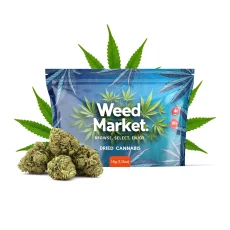
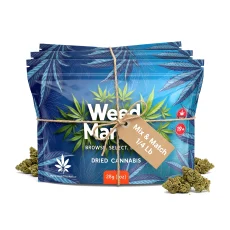
Weed Market lists lab-tested THC percentages on flower, concentrates and vape products across the catalogue, so comparing potency across strains and formats is straightforward before you buy. Product pages note both the percentage and the format it applies to, which matters given how differently flower, concentrates and edibles are measured. Every order ships with the same discreet, tracked packaging used across the site, and first-time customers can apply code WELCOME10 at checkout for a discount on their opening order. Every purchase also earns points through the Weed Market Points Reward Program, redeemable like cash on future orders. Whether you’re easing into cannabis with something lower-potency or shopping specifically for a high-THC product, understanding what the percentage on the label actually means makes it a lot easier to pick something that matches what you’re looking for.