CBD for Pets – A Guide for Cat and Dog Owners

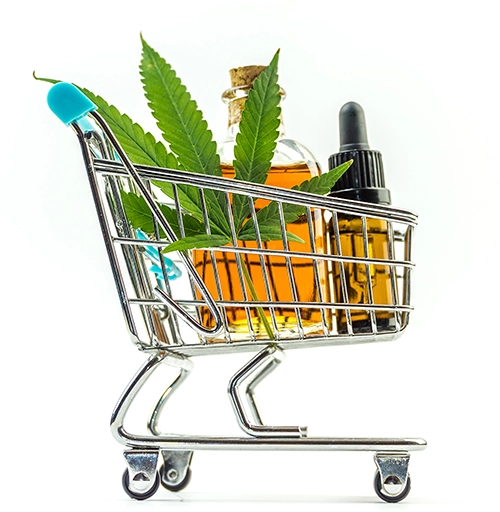
CBD for pets has moved from a niche curiosity to a genuine category, with oils, balms and treats now sitting alongside the usual supplements at most pet stores. If you’re a cat or dog owner considering it for the first time, the amount of conflicting information online makes it hard to know where to start. Search results mix genuine veterinary guidance with marketing copy from brands with a product to sell, and it’s not always obvious which is which. This guide covers what CBD actually is, how pet owners commonly use it and what matters most before adding it to your animal’s routine.
What Is CBD and Is It Different for Pets Than Humans?
CBD, short for cannabidiol, is a non-psychoactive compound found in the cannabis plant. It won’t get an animal “high” the way THC does, and any product marketed for pets should contain little to no THC at all, since THC is toxic to cats and dogs even in small amounts. The core compound is the same one used in human wellness products, but pet-specific formulations are dosed and concentrated differently to match a much smaller, more sensitive body. Never give a pet a CBD product made for people. The concentrations, carrier oils and potential additives aren’t formulated with animal safety in mind, and a dose calibrated for a 150-pound adult is nowhere close to appropriate for an eight-pound cat.
Why Pet Owners Are Turning to CBD
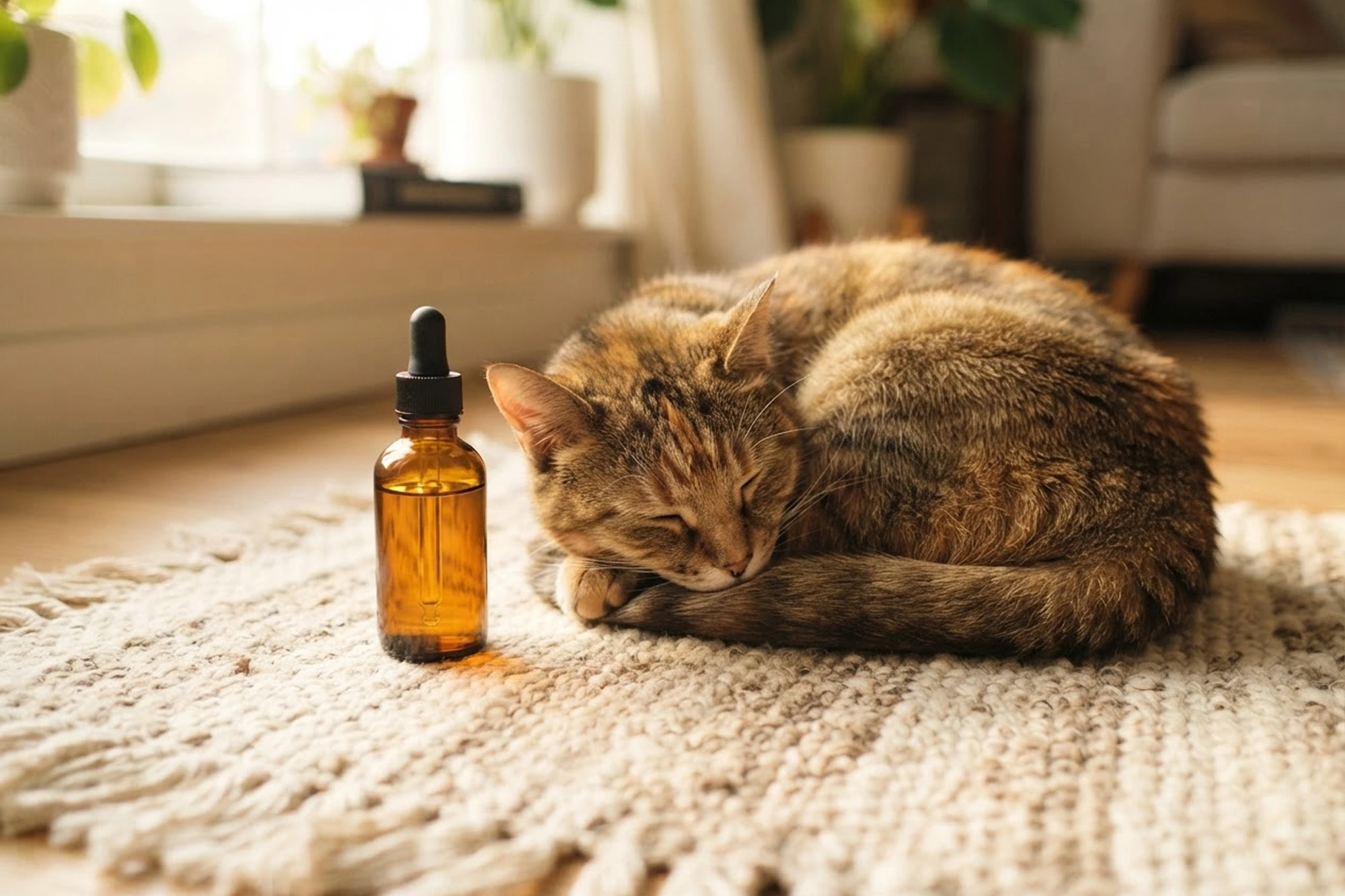
Interest in CBD for animals has grown alongside interest in human wellness products, and the reasons owners give are fairly consistent across the three most common use cases. Most pet owners come to it after hearing about it from a friend, a vet, or a product they spotted while shopping for something else entirely. The appeal is usually practical rather than trend-driven: a specific behaviour or discomfort they’re trying to ease in an animal they already know well. The three categories below cover almost every reason owners mention when they start looking into it.
Calming Support for Stressful Situations
Many owners report using CBD to support a calmer temperament during predictably stressful events, like car rides, thunderstorms, fireworks or vet visits. An anxious dog that paces or pants through a storm, or a cat that hides for hours after a car trip, is the kind of situation where owners look for something that takes the edge off without sedating the animal completely. Results vary a lot here, and what works for one dog during a thunderstorm might do very little for another.
Joint and Mobility Support for Older Pets
Older pets, particularly larger dog breeds prone to joint wear, are another common reason owners try CBD. It’s typically used alongside a vet’s existing plan for mobility or comfort, not as a standalone treatment. An aging dog that’s slower to get up in the morning or hesitant on stairs is often the trigger for owners to ask their vet about adding a supplement to whatever routine is already in place.
Skin and Paw Care
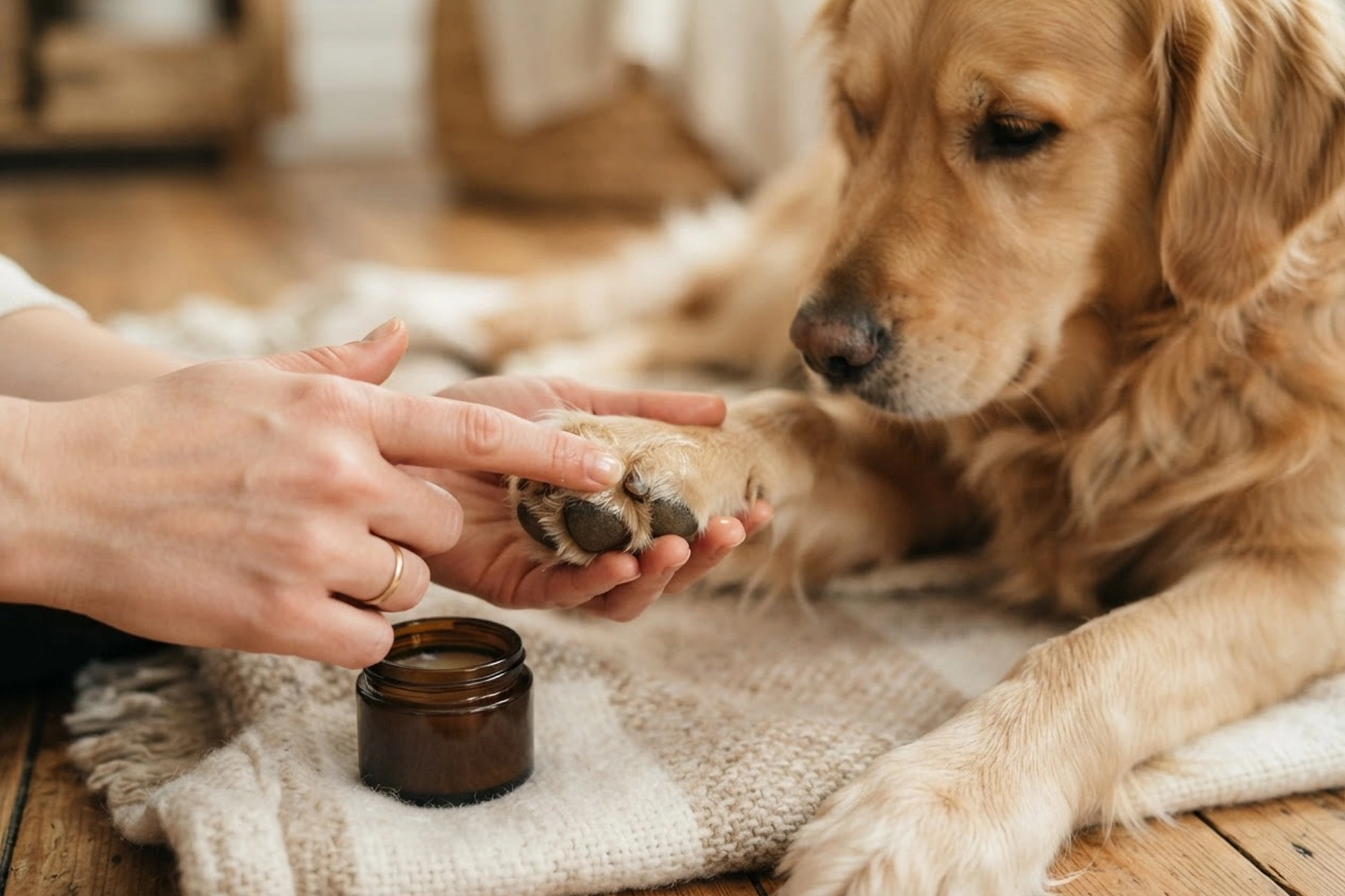
Some owners reach for topical balms specifically for localized issues like hot spots, dry paw pads or minor skin irritation, rather than an oral tincture meant to work through the whole body. A balm applied directly to an irritated patch of skin works differently than an oral product, and it’s worth understanding that distinction before assuming one format covers every use case.
None of this is a substitute for veterinary care, and any CBD product should be treated as a supplement to a vet-guided routine rather than a replacement for one.
What CBD Is Not
CBD is not a cure, and it’s not appropriate to treat it as one. Reputable pet CBD products avoid making specific medical claims, and you should be skeptical of any brand that promises to fix a diagnosed condition outright. Many pet owners report a calmer or more comfortable animal after consistent use, but individual results vary widely by animal, dose and the underlying issue, and a product that worked well for a friend’s dog isn’t a guarantee it will do the same for yours.
Oils, Balms and How They’re Actually Used
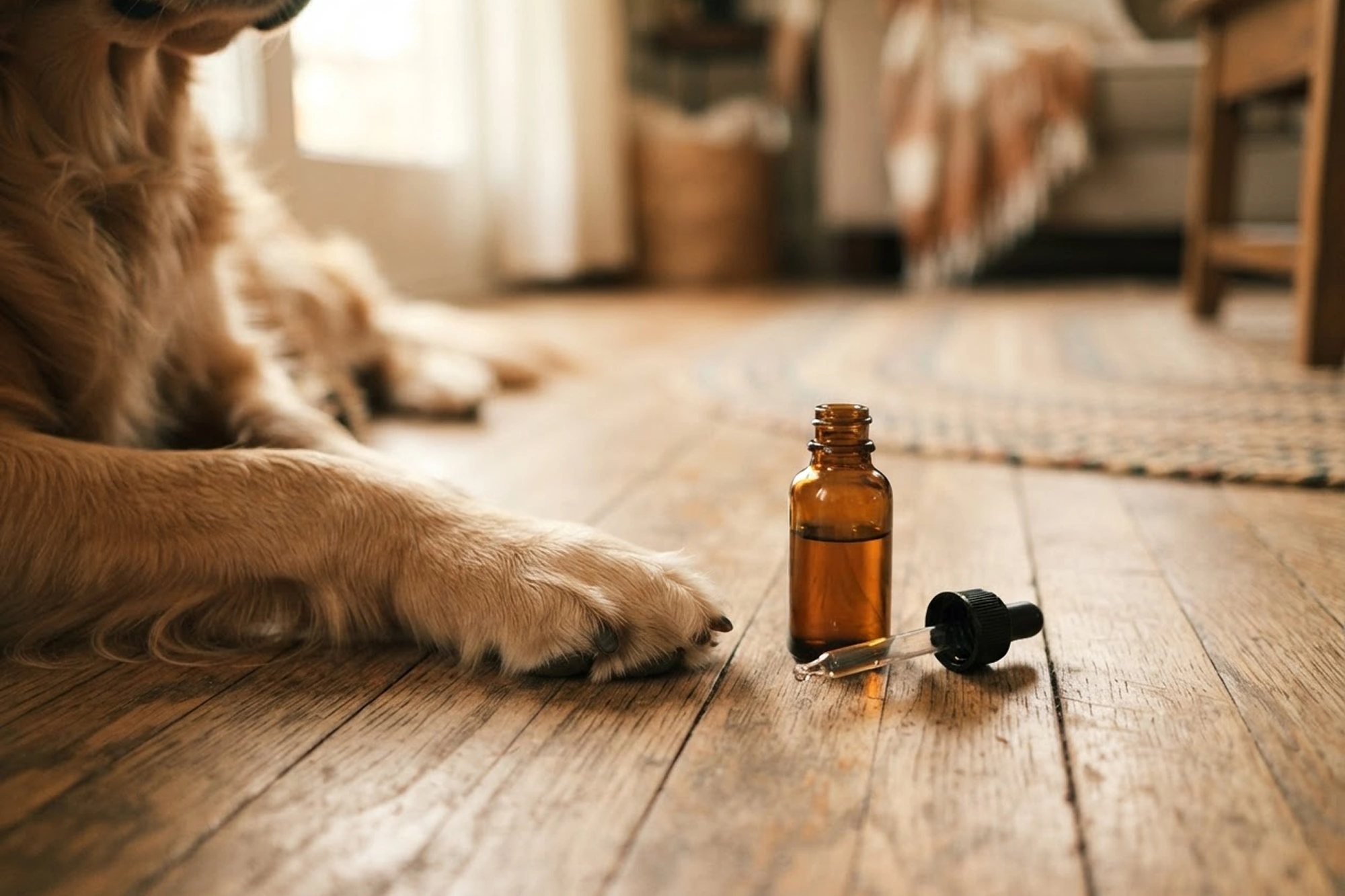
CBD products for pets generally fall into two formats, oral tinctures and topical balms, and each serves a different purpose.
- Oral tinctures are measured in mg of CBD per bottle and typically administered by dropper, either directly or mixed into food. Dosing scales with an animal’s weight, which is why cat formulations and large-breed dog formulations aren’t interchangeable.
- Topical balms are applied directly to skin, paws or specific problem areas, and they’re absorbed locally rather than working through the whole system the way an oral tincture does.
Weed Market currently carries a small range built for exactly this distinction:
| Product | Format | Potency | Size | Typically Used For |
| Animalitos CBD Oil for Cats | Oral tincture | 150mg CBD | 30mL | Cats, general use |
| Animalitos Small Breed Dog CBD Oil | Oral tincture | 250mg CBD | 30mL | Small to medium dogs |
| Animalitos Large Breed CBD Oil for Dogs | Oral tincture | 300mg CBD | 150mL | Larger dogs, ongoing use |
| MOTA Animalitos CBD Hot Spot Balm | Topical balm | N/A | N/A | Localized skin irritation |
| MOTA Animalitos CBD Nose and Paw Balm | Topical balm | N/A | N/A | Dry or cracked paws and nose |
All of these are in stock as of this writing, though it’s always worth checking current availability before assuming a specific product is on hand.
Matching Product to Animal
Weight and species drive most of the decision here, and getting it wrong isn’t a small mistake.
Cats
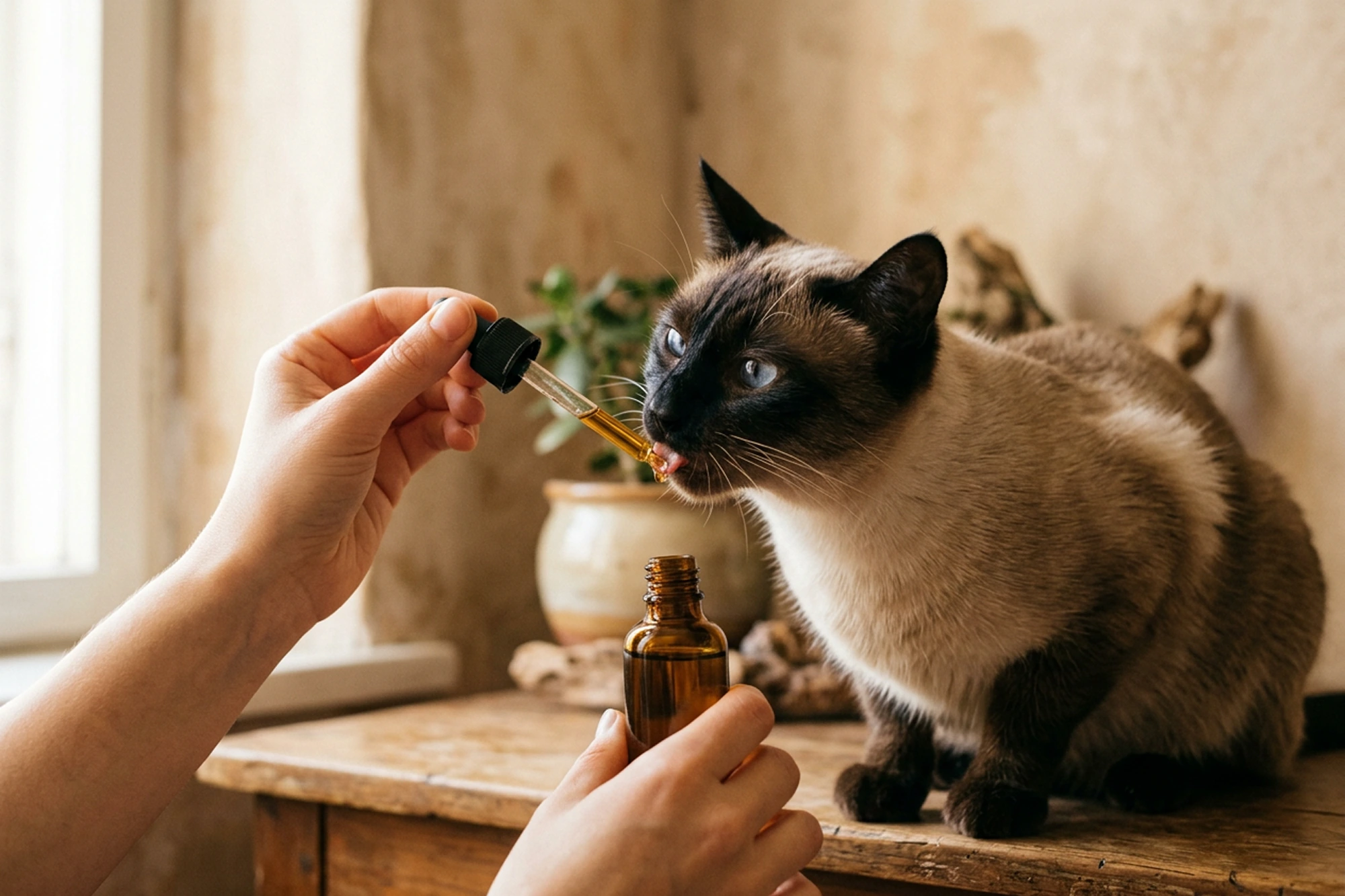
A cat-sized dose is calibrated for a much smaller, more sensitive body than even a small-breed dog. The Animalitos CBD Oil for Cats is formulated specifically around that difference, and it shouldn’t be swapped for a dog-formulated product even if the total bottle size looks similar. Cats also tend to be more sensitive to flavour and texture than dogs, so a tincture that mixes easily into wet food or a small amount of broth tends to see better acceptance than trying to administer it directly by dropper into a resistant cat’s mouth.
Dogs
Dog formulations vary by weight class for the same reason. A large-breed dog formulation is concentrated with the assumption that it’s split across a bigger animal over more servings, while a small-breed dog formula is scaled down accordingly. Read the labeled mg-per-serving carefully rather than assuming a bottle marketed generically for “pets” is safe to use across species and sizes interchangeably. A 15-pound terrier and a 90-pound retriever should never be on the same dosing schedule just because they’re both dogs, and this is exactly the kind of detail a vet conversation clears up quickly.
Signs a Dose Might Need Adjusting
Every animal responds a little differently, and it’s worth knowing what to watch for either way. An animal that seems overly drowsy, unsteady or unusually withdrawn after a dose may be getting too much for its size, while no noticeable change at all after a reasonable trial period might mean the dose is too low to have an effect. Neither situation calls for guessing your way to a fix. Bring the specifics back to your vet, including how much you’re giving and how long you’ve been giving it, and let them guide the adjustment.
Talk to a Vet Before Starting
This is the part that matters most, and it’s worth repeating even if it feels obvious. A veterinarian knows your specific animal, its weight, its existing medications and its health history in a way no product label or blog post can account for. CBD can interact with other medications, and dosing that works for one animal can be wrong for another even at a similar weight. Starting with a vet conversation, especially for an animal on existing medication or with a diagnosed condition, isn’t optional caution. It’s the responsible starting point, and most vets are increasingly comfortable discussing CBD as part of an overall plan rather than dismissing the question outright.
Getting Started Safely
If a vet gives the go-ahead, most owners start at the lower end of a product’s recommended range and watch how their animal responds over several days before adjusting. Consistency tends to matter more than a large single dose, particularly for ongoing support rather than a one-off situational use like travel anxiety. Keep a simple note of what you’re giving and when, since that record is genuinely useful if you need to discuss adjustments with your vet later. Watch for changes in appetite, energy or behaviour in the days after starting, and stop use and check in with your vet if anything seems off rather than pushing through it. A slow, observed start beats guessing at a dose and hoping for the best.
Ordering CBD for Your Pet
Weed Market ships its full pet CBD range across Canada with the same discreet, tracked shipping used for every order, and first-time customers can apply code WELCOME10 at checkout for a discount. Every order also earns points through the Weed Market Points Reward Program. Whether you’re looking at an oral tincture for a cat, a large-breed dog formula or a topical balm for localized skin care, matching the right product to your pet’s size and needs, ideally with your vet’s input, makes the biggest difference in how it actually works for your animal.