



CBG and CBD are both cannabinoids that won’t get you high, but they’re at very different stages of research. CBD has been studied for years, while CBG is a minor cannabinoid with only one small controlled trial in people so far. Here’s how they compare and what that research actually shows.
CBG vs CBD at a Glance
| CBG | CBD | |
|---|---|---|
| Gets you high? | No, a 2024 trial found no intoxication or impairment | No, it doesn’t produce a high |
| Legal status in Canada | Regulated under the Cannabis Act | Regulated under the Cannabis Act |
| Drug-test risk | Low for pure CBG, but products with trace THC can cause a positive urine test | Low for pure CBD, but products with trace THC can cause a positive urine test |
| Typical uses | People curious about a newer cannabinoid that doesn’t cause a high | People who want to try cannabinoids without feeling high |
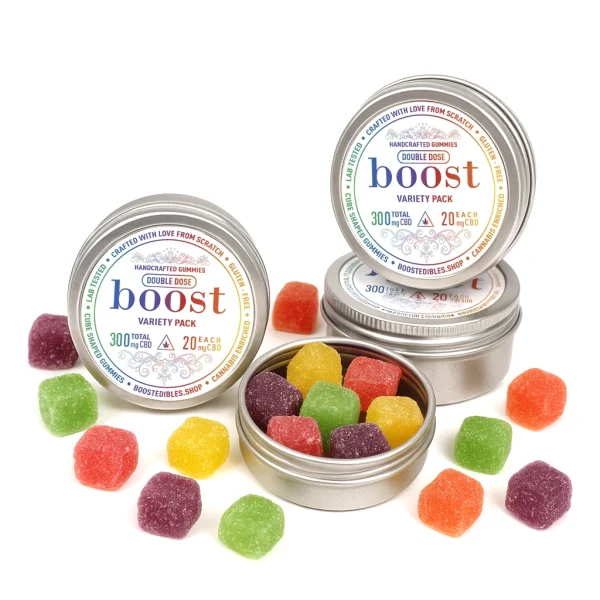
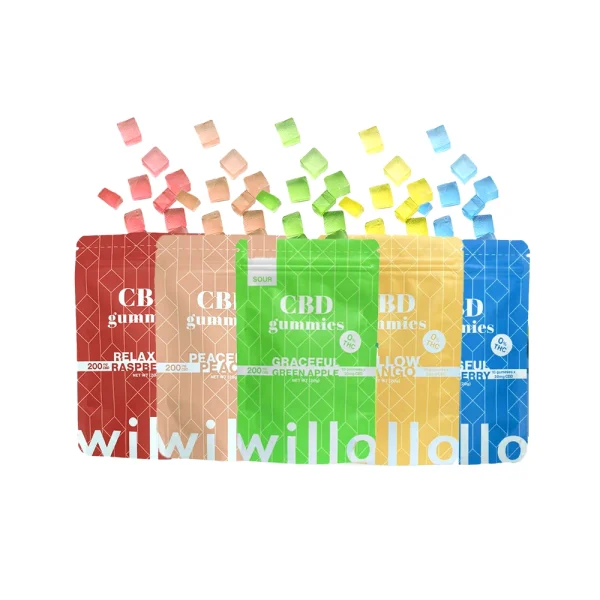
| Example products we sell | High Heals Revitalize CBG Tincture (1000mg CBG), High Heals Deep Healing CBG and CBD Tincture (1000mg CBG, 1000mg CBD) | Willo Low Dose CBD Gummies (200mg CBD), Boost Edibles CBD Gummies (300mg CBD) |
Understanding CBG vs CBD – The Basics of Cannabinoids

While both CBG (cannabigerol) and CBD (cannabidiol) are prominent cannabinoids derived from the cannabis plant, they possess distinct properties and potential benefits that set them apart. CBG is often referred to as the “mother” cannabinoid because it serves as a precursor to other cannabinoids, including CBD. Both are non-psychoactive cannabinoids, meaning they won’t induce a head “high.”
Most of the health claims you’ll see about CBG come from lab and animal studies, which don’t always translate to people. The first placebo-controlled trial in humans found that 20 mg of CBG reduced feelings of anxiety and stress in healthy adults, but it was a single small study, so there’s still a lot to learn. CBD has been studied much longer and is far more common in the plant. If you’d like to try both, full-spectrum hemp oils often contain a mix of the two, so check the label to see how much of each you’re getting.
What is CBG?
Cannabigerol (CBG) is a cannabinoid that plays a key role in the cannabis plant’s chemistry, often referred to as the “mother” cannabinoid due to its function as a precursor to other cannabinoids like THC and CBD. As a non-psychoactive cannabinoid, CBG offers a unique position within the cannabinoid spectrum, contributing to the plant’s diverse chemical structures.
Because the plant converts most of its CBGA into other cannabinoids as it matures, mature cannabis usually contains only small amounts of CBG, as researchers note in a 2021 survey of CBG users. That’s part of why CBG products are newer and less common than CBD.
What is CBD?
Cannabidiol (CBD) is one of the most common cannabinoids in cannabis and hemp, and it’s usually the first one people try after THC. Unlike THC, it doesn’t produce a high, according to Health Canada, which is why it’s popular with people who want to try cannabis without feeling altered. Many users describe its effects as subtle, and it comes in plenty of formats, from oils and gummies to capsules and creams. You can browse them all in our CBD products collection.
CBD products range widely in strength, so check the label for the total CBD per package and per serving before you buy. Some also contain small amounts of THC, which matters if you’re drug tested. If you take any medication regularly, talk to your doctor or pharmacist before trying CBD.
Other Known Cannabinoids

What other cannabinoids are making waves in the cannabis community? Beyond the well-known CBD and recently spot-lit CBG, there are intriguing minor cannabinoids like Cannabinol (CBN) and Cannabichromene (CBC), non-psychotropic cannabinoids worth knowing about, especially when comparing CBD vs CBN in real-world use.
Cannabinol (CBN) is less known than CBD. CBN is produced as THC ages. It can be converted from THC through oxygen, UV exposure and controlled heating, or harvested by aging hemp and cannabis plants naturally. Another lesser-known cannabinoid is CBC. Cannabigerol acid (CBGA) is the precursor to CBC, CBD and THC. Unlike THC, CBC is non-intoxicating and does not induce euphoria.
The Human Endocannabinoid System

Understanding the human endocannabinoid system (ECS) is useful for anyone interested in the effects of cannabis on the body. The ECS plays a significant role in regulating various physiological processes, including pain perception, appetite stimulation and inflammatory responses. It consists of receptors that interact with cannabinoids, including non-intoxicating cannabinoids like CBD and CBG.
Chemical Differences Between CBD and CBG
Understanding the chemical differences between CBG and CBD is useful for anyone curious about how these compounds interact with our bodies. CBG, or cannabigerol, plays a unique role within the endocannabinoid system, and like CBD, it does not exert any psychoactive effects, making it an option for those who want to avoid the high.
How CBG and CBD Interact with the Endocannabinoid System
CBG and CBD both interact with the endocannabinoid system, the network of receptors that cannabinoids act on in the body, but in different ways. Most of what’s known about how CBG works there comes from lab studies, so the details are still being worked out. What matters for most people is the result: in the first controlled trial in humans, CBG didn’t cause any intoxication or impairment, and CBD doesn’t produce a high either. Both can be extracted from hemp, and some products combine the two.
Psychoactive vs Non-Psychoactive Properties
Exploring the chemical differences between CBG and CBD reveals significant distinctions in their psychoactive properties. CBG, or cannabigerol, is known for its non-psychoactive properties, making it an appealing option for those who want to avoid the high-inducing THC cannabinoid found in marijuana plants.
CBD is non-psychoactive as well. Both compounds can come from hemp, and understanding their differences makes it easier to choose the right product.
What the Research on CBG Shows So Far

The first controlled trial gave 34 healthy adults either 20 mg of CBG or a placebo. CBG reduced feelings of anxiety and stress shortly after it was taken and improved verbal memory scores, without any signs of intoxication. In a separate survey of CBG users, the most common reasons for using it were anxiety, chronic pain, depression and insomnia. Those are self-reports, though, and the researchers concluded that CBG still needs proper randomized trials.
What Side Effects to Expect from CBG vs CBD?
When considering the side effects of CBG and CBD, it helps to know their distinct profiles. In a survey of CBG users, 44% reported no side effects, while the most common ones were dry mouth, sleepiness, increased appetite and dry eyes. CBD can also cause side effects, and taking too much can lead to unpleasant but minor ones.
These effects vary greatly from person to person. Start with low doses and observe how your body responds. Listening to your body is key; it can guide you in finding the right balance.
Legality of CBG and CBD Products in Canada

In Canada, both CBG (cannabigerol) and CBD (cannabidiol) products are legal under specific regulations established by the Cannabis Act. This legislation allows for the sale and consumption of cannabis products, including those containing CBG and CBD, provided they meet certain quality and safety standards.
Consumers can feel a sense of relief knowing they are within the law when purchasing these products, enabling them to explore the potential benefits of cannabinoids responsibly. This legal framework not only promotes safety but also fosters a deeper understanding of cannabis, encouraging informed choices in the ever-evolving landscape of wellness.
Popular Products Featuring CBG and CBD
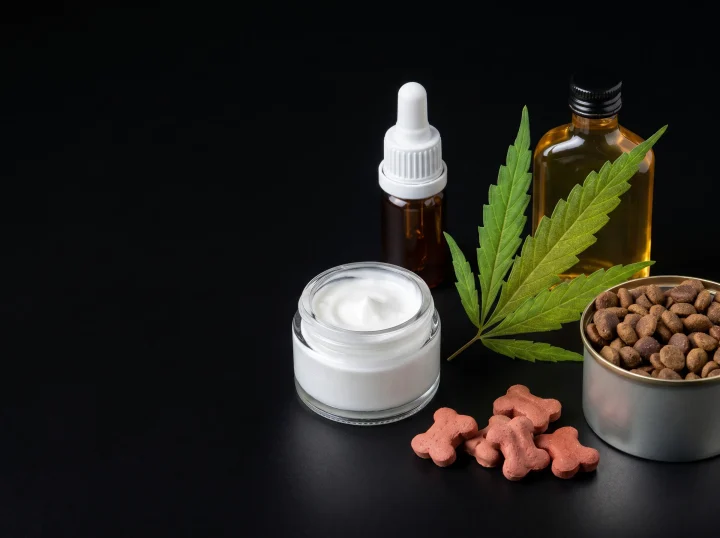
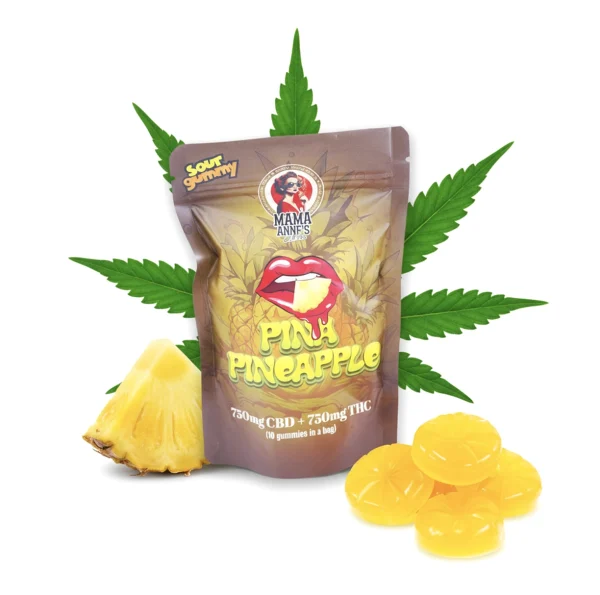
With a clear legal framework established for CBG and CBD products in Canada, consumers are increasingly interested in the variety of offerings available on the market. Popular products include oils, capsules and topicals infused with CBD and CBG. You’ll find both in our CBG products and CBD oils.
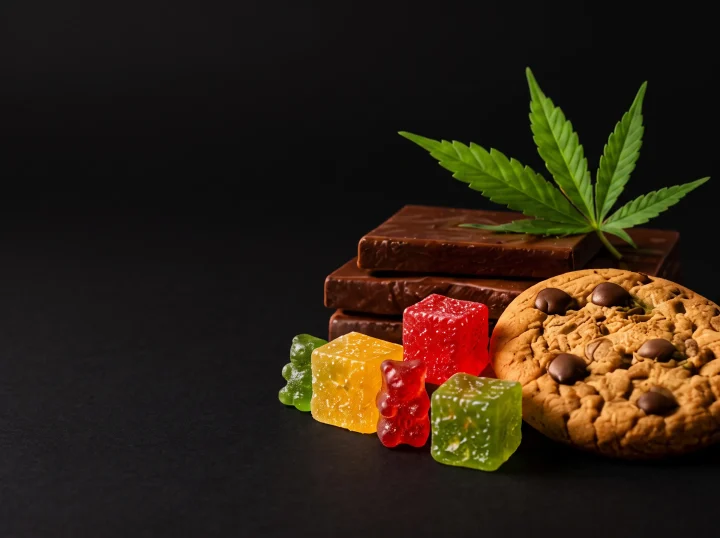
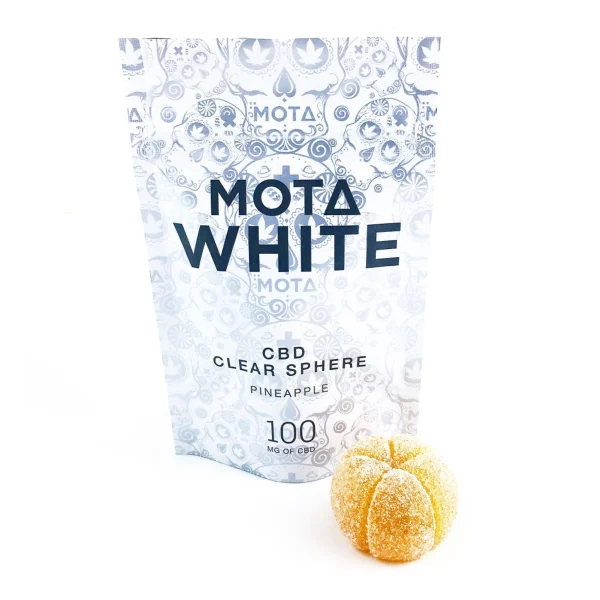
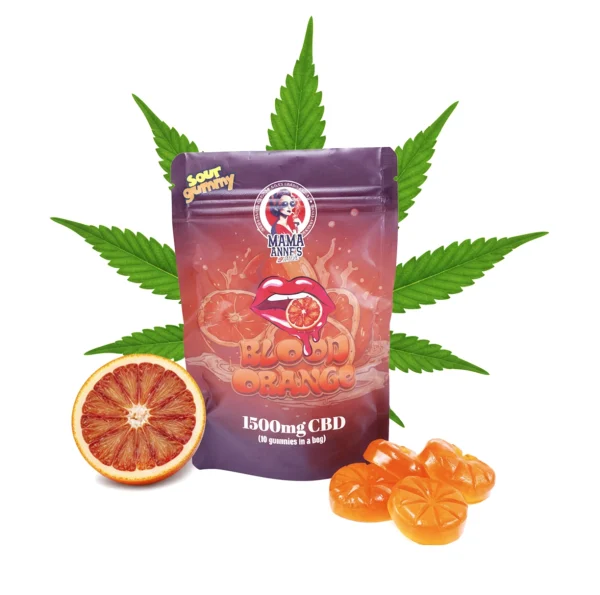
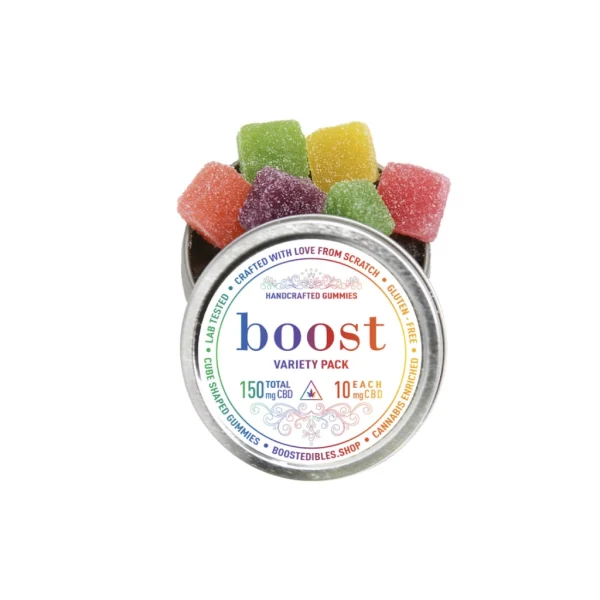
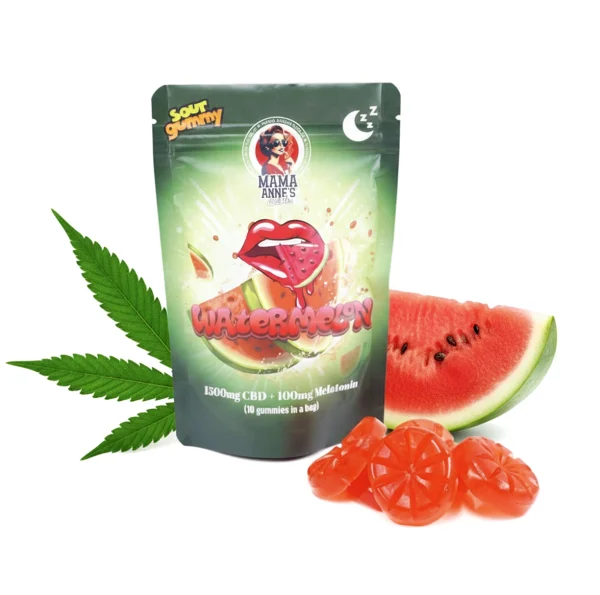
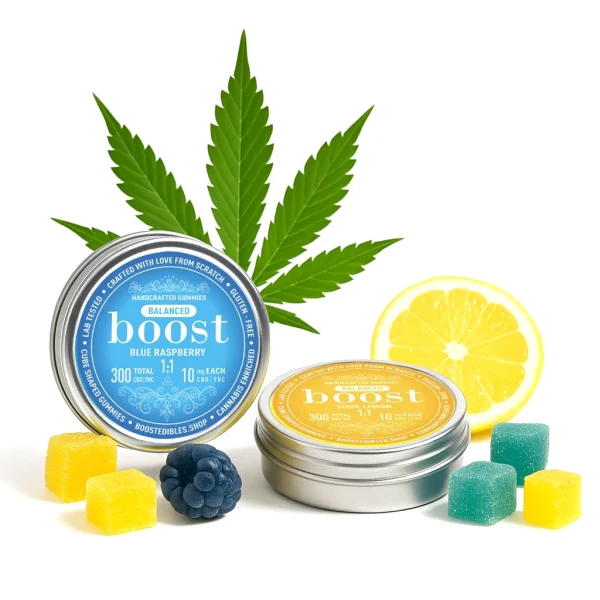
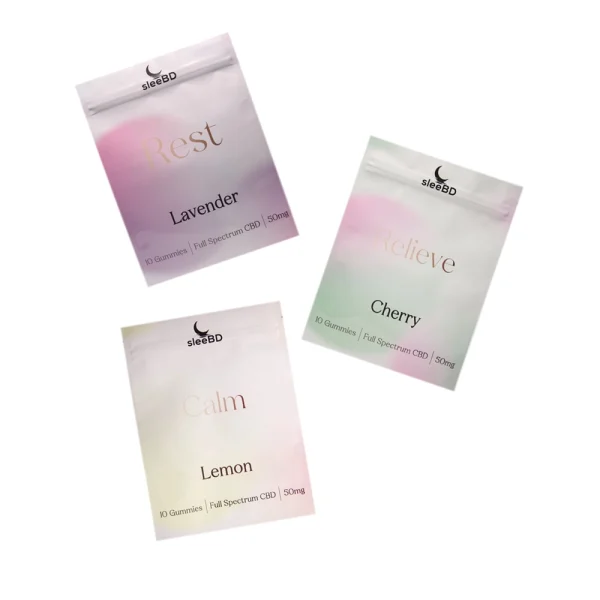
Edibles like gummies provide a tasty alternative. Moreover, skincare products featuring these cannabinoids are becoming common. As consumers explore these diverse options, they can discover what resonates most with their individual needs and preferences.
Choosing Between CBG and CBD for Your Needs
Choosing the right cannabinoid for your needs can greatly impact your experience with cannabis products. If you want the more familiar, better-studied option, start with CBD. If you’re curious about something newer, CBG is worth trying, though research on it in people is still early.
Understanding your personal needs matters, so consider how each cannabinoid feels for you. Trying both can help you find the one that fits you best.
This article is for general information only and is not medical advice.








 DEALS