CBD Oil – The Complete Beginner’s Guide
CBD is everywhere right now – and the noise around it makes it genuinely hard to know where to start. Is it the same as weed? Will it get you high? Does it actually do anything? What’s the difference between a tincture and a capsule? These are real questions and they deserve straight answers. This guide covers everything a first-time CBD user needs to know: what CBD is, how it works in the body, what the different formats do, how to dose it and how to choose the right product for what you’re actually trying to achieve. No hype. No overclaiming. Just a clear starting point.
Important note: Nothing in this guide constitutes medical advice. CBD products may affect individuals differently. If you have a health condition, are pregnant or nursing, or are taking medications, speak with a healthcare professional before introducing CBD into your routine.
What Is CBD and Where Does It Come From
CBD stands for cannabidiol. It’s one of over 100 cannabinoids found in the cannabis plant – the same plant that produces THC, the compound responsible for the psychoactive “high” associated with cannabis. CBD and THC are the two most abundant and most studied cannabinoids in the plant. They work very differently.
THC binds directly to CB1 receptors in the brain and produces intoxication – the altered state most people associate with cannabis. CBD doesn’t bind to those receptors in the same way and doesn’t produce intoxication. You won’t get high from CBD. What many users report instead is a sense of calm, reduced physical tension and a quieter mental baseline – effects that arrive without any alteration to your cognitive state or sense of reality.
CBD is extracted from hemp or cannabis plants and processed into oil, which then forms the base for every CBD format on the market – tinctures, gummies, capsules, vapes and topicals. The plant source and the extraction method affect the final product significantly. Understanding those differences is part of choosing the right product.
How CBD Works in the Body
CBD interacts with the endocannabinoid system – a regulatory network that runs through the brain and body and plays a role in managing mood, sleep, pain perception, inflammation and stress response. The endocannabinoid system operates through two primary receptors: CB1 (concentrated in the brain and nervous system) and CB2 (found primarily in the immune system and peripheral tissues).
THC binds strongly to CB1 receptors, which is why it produces psychoactive effects. CBD’s mechanism is different and more complex. It doesn’t bind strongly to either receptor directly. Instead it appears to modulate the system indirectly – influencing how other cannabinoids and neurotransmitters interact with those receptors, and affecting several non-endocannabinoid pathways including serotonin receptors, which play a significant role in mood and anxiety regulation.
The practical result of this mechanism is that CBD’s effects are subtler than THC’s but potentially broader across different systems. Many users describe it as a background effect rather than a foreground one – something that reduces what’s in the way rather than producing a new state.
The Entourage Effect
This term comes up frequently in CBD discussions and it matters. The entourage effect refers to the idea that cannabinoids and terpenes work better together than in isolation – that the full profile of compounds in the plant produces more complete effects than any single compound alone. This is the main argument for full-spectrum CBD products over isolate products. The research is still developing but the concept is well-established enough that many experienced CBD users strongly prefer full-spectrum formulations.
Full Spectrum vs. Broad Spectrum vs. Isolate
This is probably the most important distinction to understand before buying any CBD product. The three formats refer to how much of the plant’s original compound profile is retained in the final extract.
| Type | What It Contains | THC Present | Best For |
| Full Spectrum | CBD + all cannabinoids + terpenes + trace THC | Yes (under 0.3%) | Maximum entourage effect, most complete profile |
| Broad Spectrum | CBD + other cannabinoids + terpenes, THC removed | No | Entourage effect without THC |
| CBD Isolate | Pure CBD only, all other compounds removed | No | Precise dosing, sensitivity to other compounds |
For most beginners, full-spectrum CBD is the recommended starting point. The trace THC (under 0.3%) is not enough to produce psychoactive effects but contributes to the entourage effect that makes the overall product more effective. If you have a reason to avoid THC entirely – drug testing, personal preference or sensitivity – broad spectrum or isolate are the alternatives.
CBD Formats – Which One Is Right for You
Same cannabinoid, very different experiences depending on how it’s delivered. The format you choose affects onset time, duration, bioavailability and practicality. Here’s how they compare.
CBD Oil and Tinctures
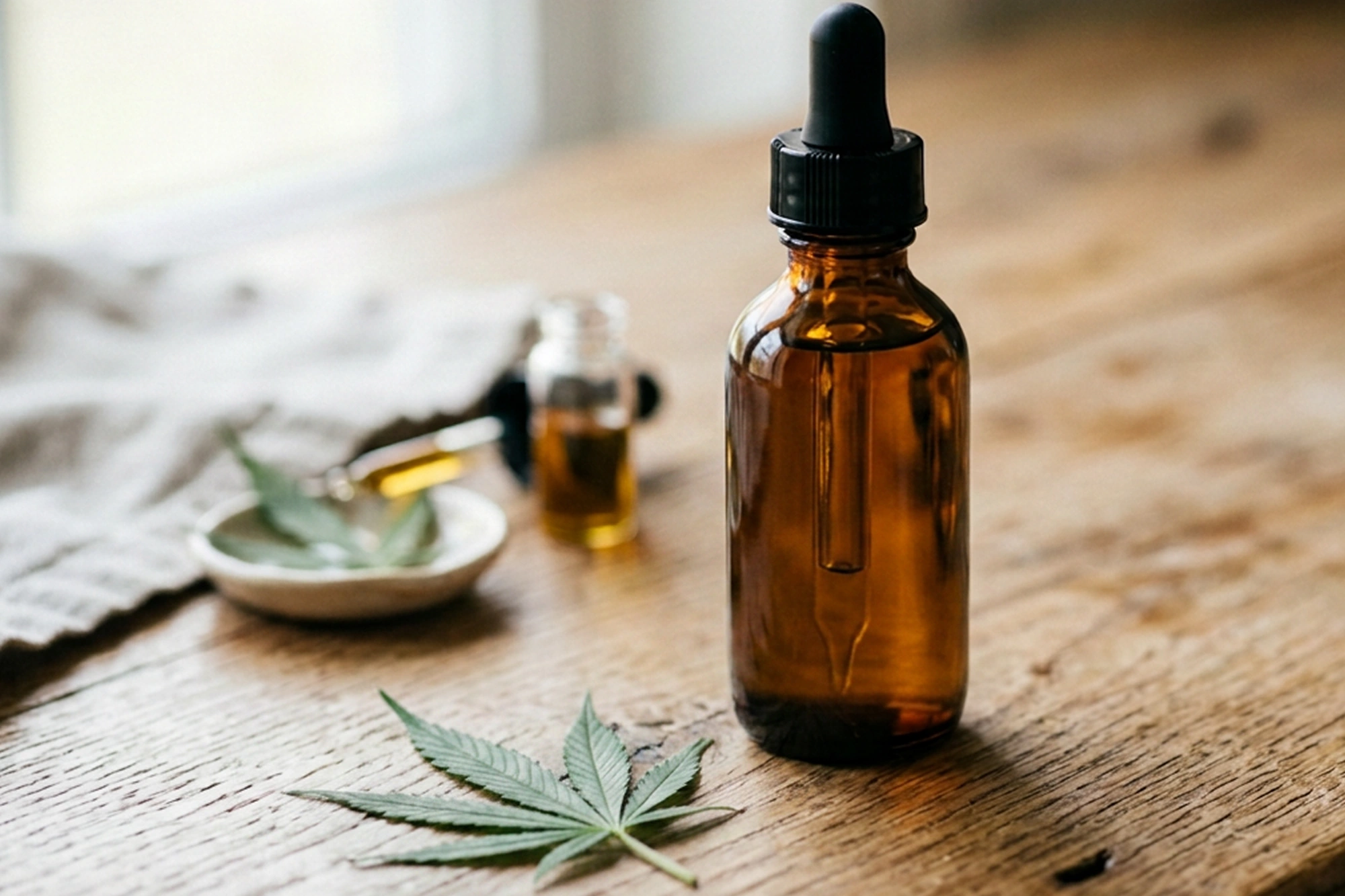
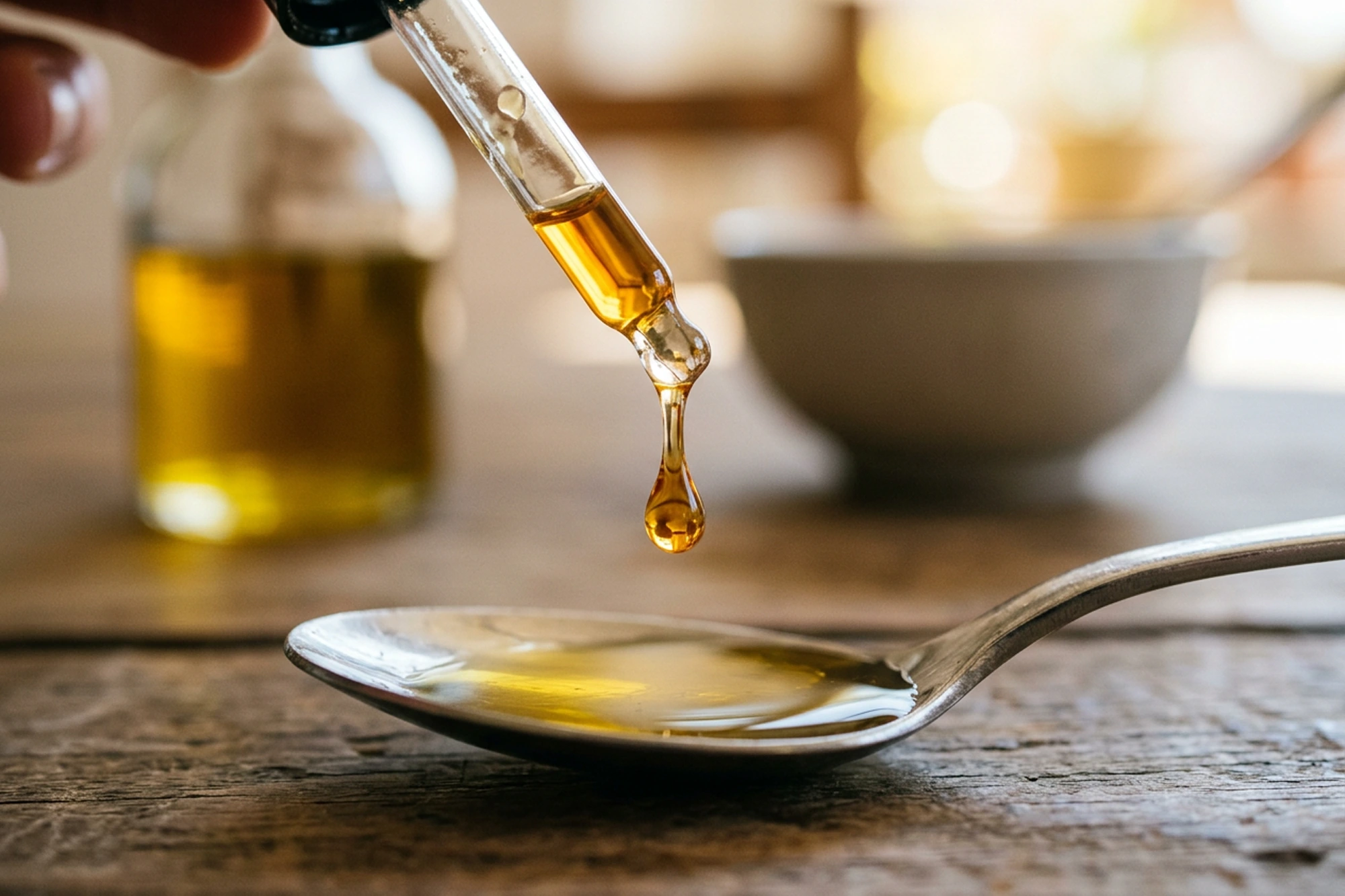
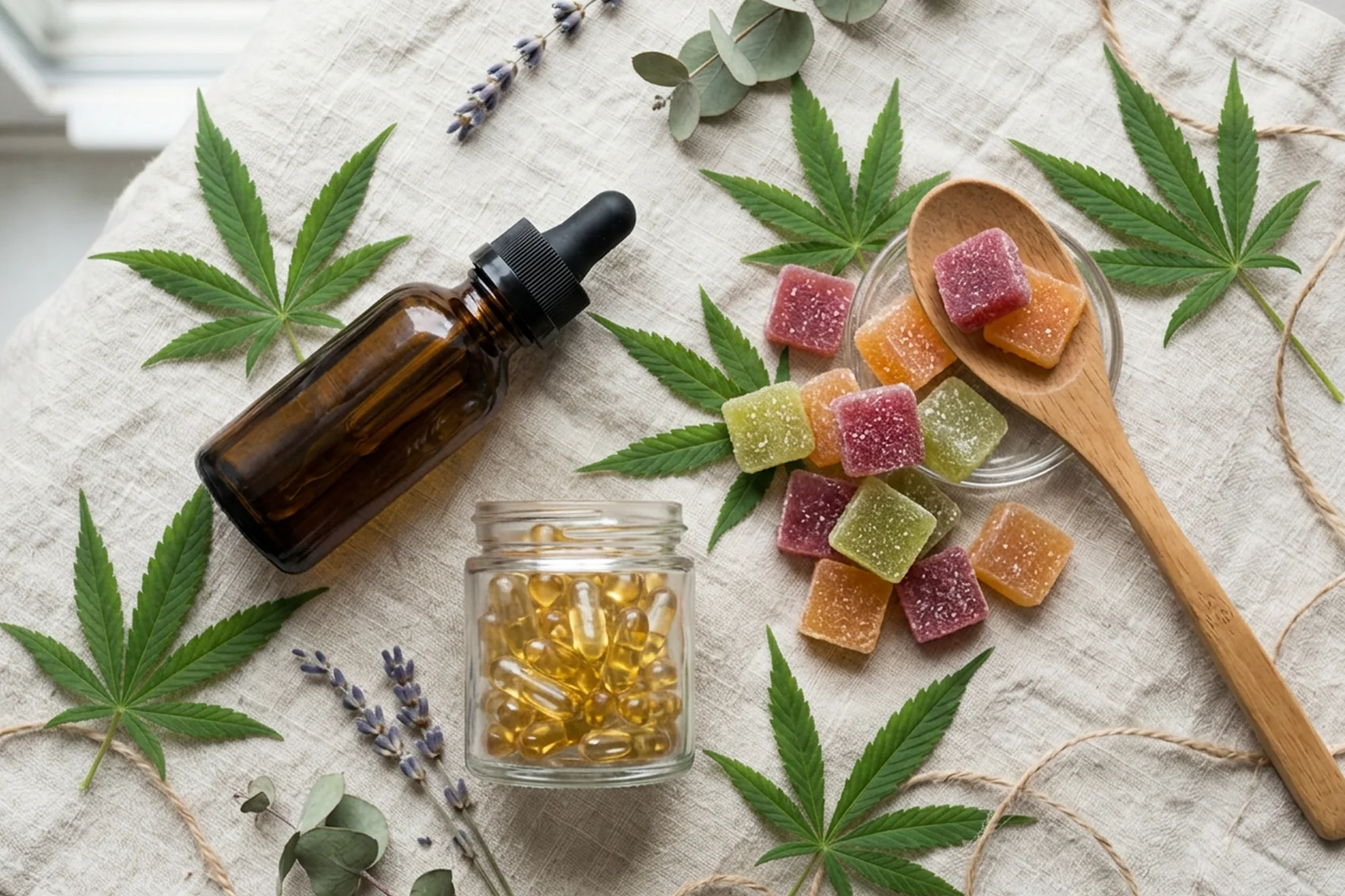
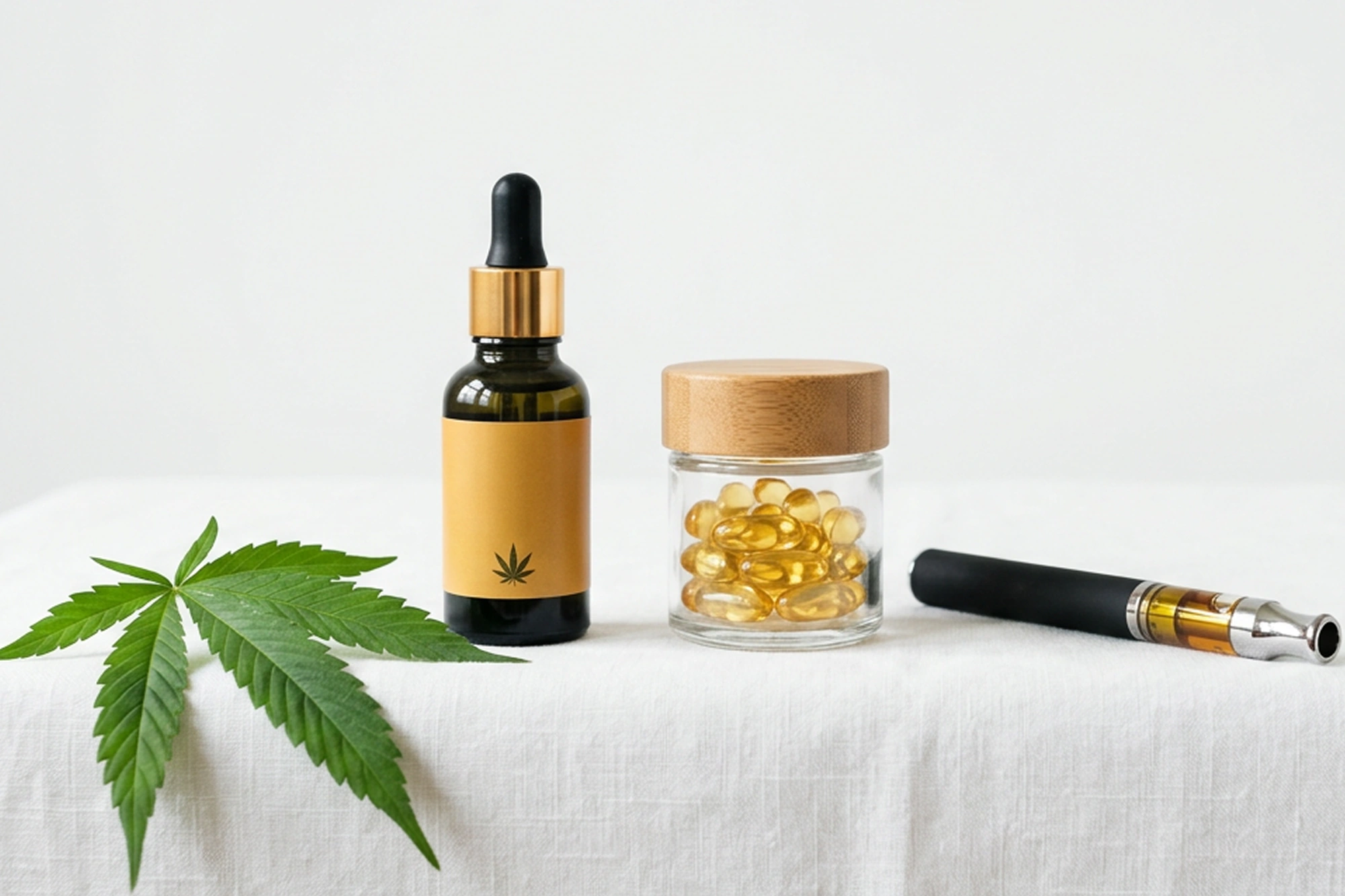
The most versatile and most popular format. A CBD tincture is an oil-based extract delivered via a dropper. Taken sublingually – held under the tongue for 30–60 seconds before swallowing – onset runs 15–45 minutes. This is faster than capsules or gummies because some absorption happens directly through the mucous membrane before the rest processes digestively.
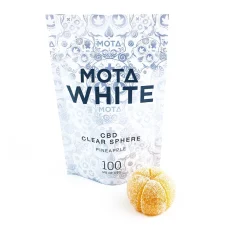
Tinctures allow precise dose adjustment – you can increase or decrease by half a dropper – which makes them ideal for dialling in your personal baseline. They can also be added to food or drink, though that shifts them to full digestive onset timing. Browse our CBD oil selection for current options including MOTA Full Spectrum CBD Oil and MOTA CBD Tincture.
CBD Gummies
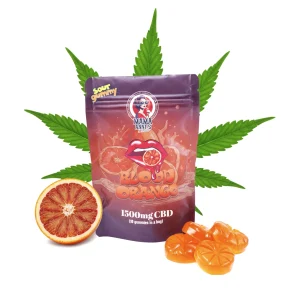
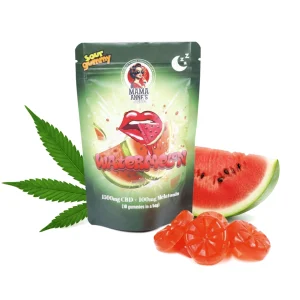
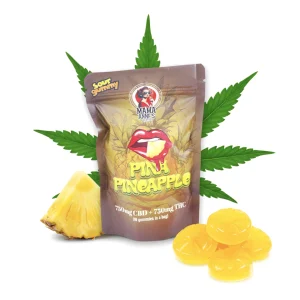
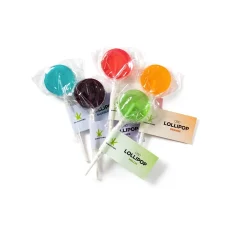
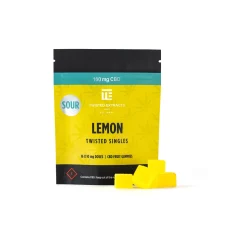
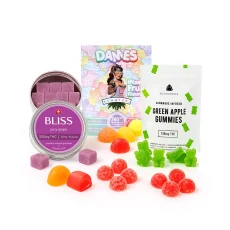
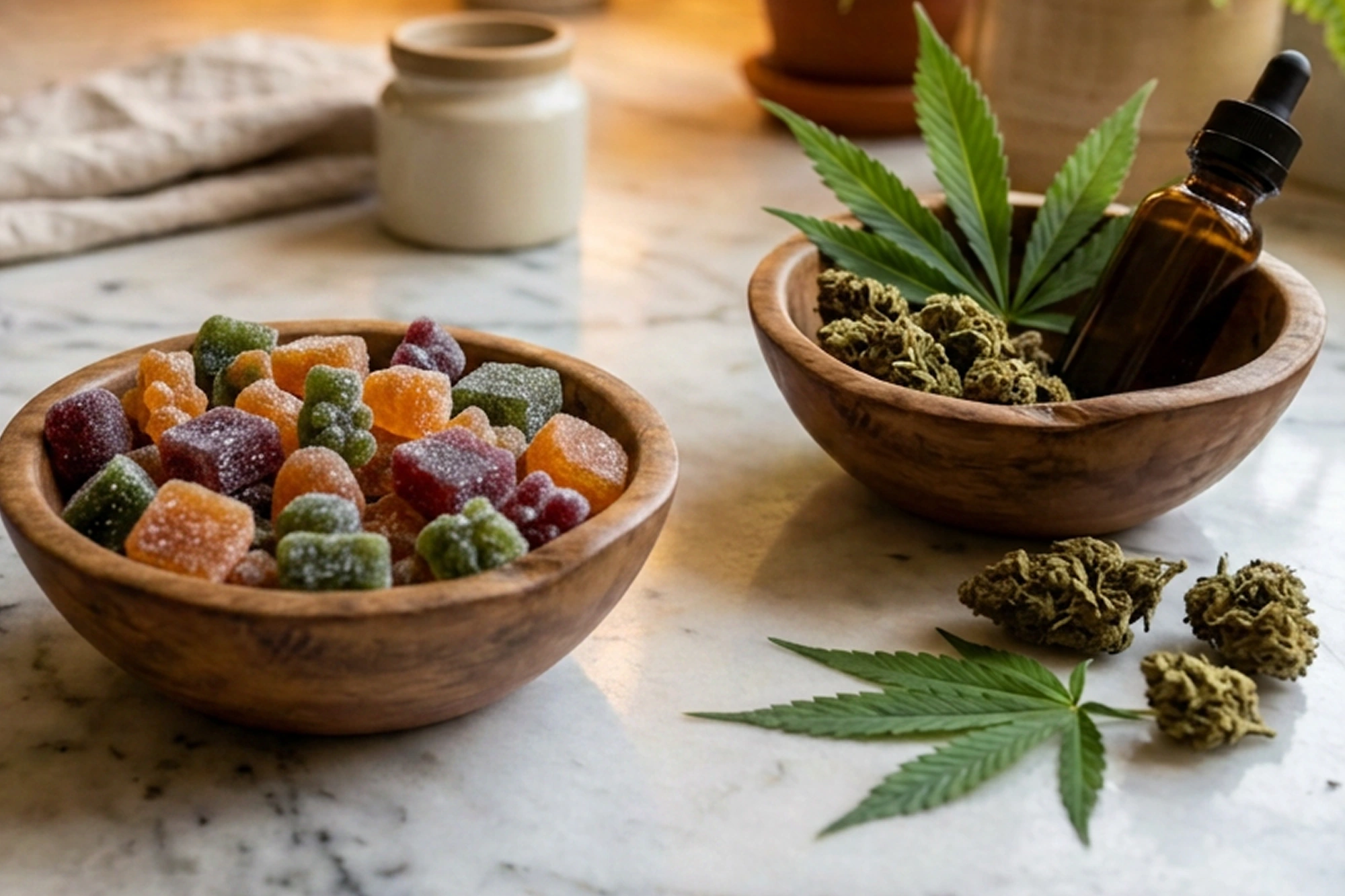
The most accessible format for most people. Pre-dosed, portable, no dropper required and they taste good. Onset runs 30–90 minutes through standard digestive processing. Duration is typically 4–6 hours – longer than tinctures taken sublingually. The trade-off is less flexibility in dosing – you’re working with fixed mg per piece rather than adjustable drops.
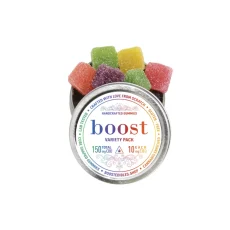
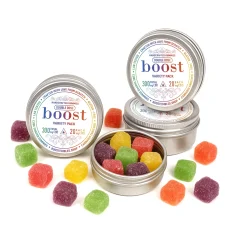
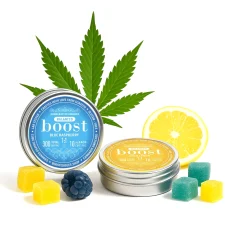
For sleep specifically, SleeBD CBD Gummies 500mg (50mg per gummy) are a strong option for experienced users or those with more significant sleep needs. For everyday use or beginners, Boost CBD Gummies 300mg (20mg per piece) offer a more accessible starting point. Both are available in our CBD gummies collection. For users who want both CBD and a small amount of THC, Boost 1:1 Gummies (10mg THC / 10mg CBD per piece) offer a balanced approach that many users find smoother than THC alone.
CBD Capsules
The most consistent format available. Each capsule contains a precisely measured dose of CBD oil – no flavour, no measuring, no mess. Onset is standard digestive timing: 45–90 minutes. Duration is long-lasting, often 5–8 hours, which makes capsules particularly useful for people who want steady daytime support rather than an acute effect. MOTA CBD Oil Capsules are available in our CBD capsules section and are popular among users who want to incorporate CBD into a consistent daily routine without variability.
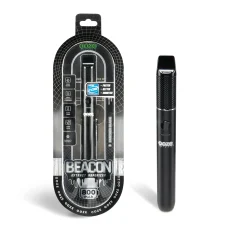
CBD Vapes
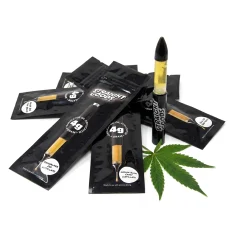
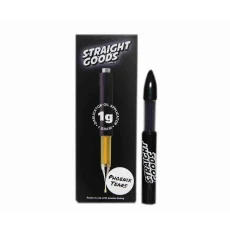
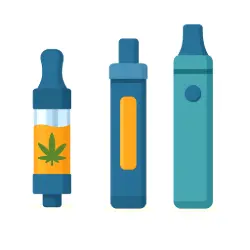
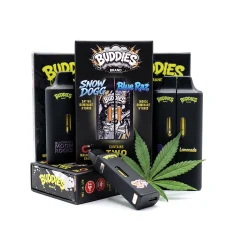
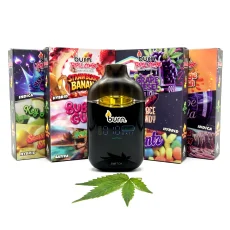
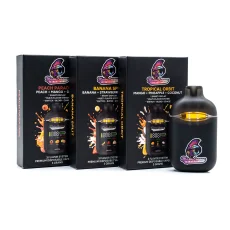
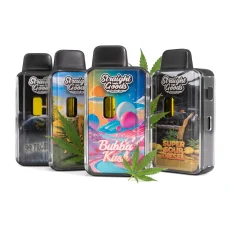
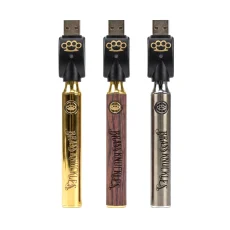
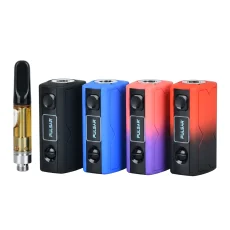
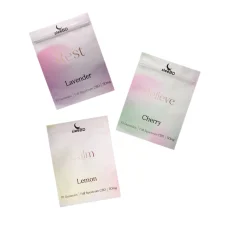
The fastest-acting CBD format. Inhaled CBD enters the bloodstream through the lungs and produces effects within minutes. This makes vapes useful for acute situations – sudden anxiety, difficulty falling asleep, immediate tension relief – where waiting 45 minutes for a gummy isn’t practical. SleeBD offers a dedicated sleep-focused CBD vape range including the Calm Full Spectrum CBD Vape and the Rest CBD Pen for Sleep, both designed specifically for nighttime use. Browse the full CBD vape range for current options.
CBD Topicals
Applied directly to skin, CBD topicals don’t enter the bloodstream in meaningful amounts. They work locally – interacting with cannabinoid receptors in the skin, muscles and joints at the site of application. Many users report effective relief from localised muscle soreness, joint discomfort and skin inflammation. They’re particularly popular among people who want the potential anti-inflammatory benefits of CBD without any systemic effect. Our topicals range includes CBD creams and the High Heals Healing CBG Body Cream, available in the CBD category.
CBG – The Other Cannabinoid Worth Knowing
CBG (cannabigerol) is less well-known than CBD but increasingly popular for specific use cases. Often described as producing calm mental clarity rather than relaxation – useful for daytime focus and stress management without sedation. It’s sometimes called “the mother cannabinoid” because other cannabinoids develop from it as the plant matures. High Heals Edibles CBG Sleep Tincture (1000mg) combines CBG with sleep-focused formulation and is available in our CBG collection.
How to Dose CBD – A Practical Starting Framework
There’s no universal CBD dose. Body weight, metabolism, the condition being addressed and individual endocannabinoid system variability all factor in. What there is: a consistent framework that works as a starting point.
| Experience Level | Starting Dose | Format Suggestion |
| Complete beginner | 10–15mg CBD | Gummies or tincture |
| Some experience | 15–25mg CBD | Tincture or capsule |
| Regular user | 25–50mg CBD | Tincture, capsule or gummy |
| Therapeutic / higher need | 50mg+ CBD | Discuss with healthcare provider |
The Start Low Method
Start with 10–15mg once daily, ideally at the same time each day. Give it one full week before assessing. CBD often works cumulatively – effects build over consistent daily use rather than arriving dramatically from a single dose. Many beginners stop too early because they don’t feel an immediate effect from the first or second dose.
After one week at the starting dose, assess honestly: do you notice any change in sleep quality, baseline tension, mood or comfort? If minimal effect – increase by 5–10mg and hold that dose for another week. Continue incrementally until you find the dose that produces a noticeable, consistent effect.
Timing Matters
- For sleep: take CBD 30–60 minutes before bed. Gummies and capsules are well-suited here given their longer duration
- For daytime anxiety or stress: morning or midday tincture or capsule works well for steady baseline support
- For acute situations: CBD vape for fastest onset when immediate relief is needed
- For physical discomfort: topicals for localised relief, capsules or tinctures for systemic support
What CBD May Help With – and What It Won’t
CBD research is ongoing and many claims in the market go significantly beyond what the evidence supports. Being honest about this is part of using CBD responsibly.
What Many Users Report CBD Helps With:
- Reduced anxiety and stress at rest
- Improved sleep onset and quality
- Reduced physical tension and muscle soreness
- Mild pain and inflammation management
- General sense of calm without cognitive impairment
What CBD Won’t Do:
- Get you high – at any dose
- Replace prescribed medication without medical guidance
- Produce dramatic or immediate effects in most people
- Work identically for everyone
The honest picture: CBD is a subtle, accumulative wellness tool for most users. It’s not a treatment. It’s not a cure. But many people find consistent daily use genuinely improves their baseline – particularly around sleep and anxiety – in ways that feel meaningful even if they’re not dramatic.
CBD for Pets
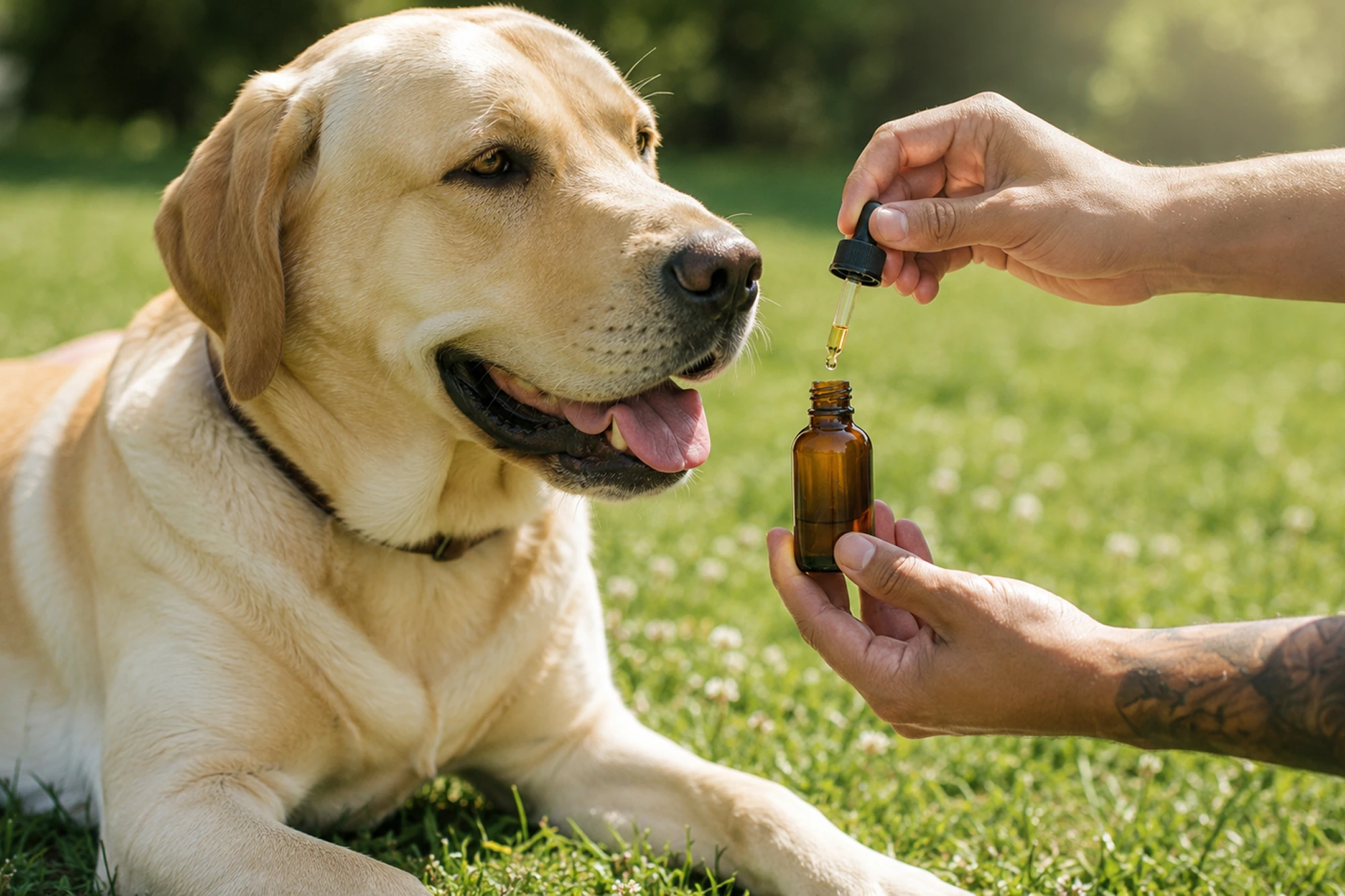
One area where CBD has gained significant traction is animal wellness. Dogs and cats have endocannabinoid systems that function similarly to humans, and CBD products formulated specifically for pets have become popular for managing anxiety, mobility and general wellness in older animals.
Weed Market carries Animalitos CBD Oil for both cats and dogs – small and large breed formulations – in our pet CBD section. These are made with CBD isolate for purity and formulated specifically for animal physiology. Always consult your veterinarian before introducing CBD into your pet’s routine.
How to Choose a Quality CBD Product
Not all CBD products are created equal. The Canadian market has improved significantly since legalisation but quality varies. A few things to look for:
- Third-party testing – reputable brands provide lab results confirming cannabinoid content and the absence of contaminants
- Clear mg labelling – you should know exactly how much CBD is in each serving
- Reputable brand – at Weed Market we carry established Canadian brands including MOTA, SleeBD, High Heals Edibles and Boost – all with transparent product information
- Appropriate format for your goal – the best CBD product is the one that fits how and when you actually want to use it
A Quick Reference – CBD by Use Case
| Use Case | Recommended Format | Suggested Starting Dose |
| General daily wellness | Tincture or capsule | 15–25mg daily |
| Sleep support | Gummies or vape | 25–50mg 30–60 min before bed |
| Daytime anxiety | Tincture (sublingual) | 15–20mg as needed |
| Localised pain or soreness | Topical cream | Apply directly to area |
| Acute relief | CBD vape | 1–2 draws as needed |
| Pet wellness | Pet-specific CBD oil | Per product weight guidelines |
| THC-free preference | Broad spectrum or isolate | Per above by use case |
Harm reduction note: CBD is generally well-tolerated but can interact with certain medications – particularly blood thinners and some seizure medications. If you are on any prescription medication, consult your healthcare provider before starting CBD. Do not use CBD as a substitute for prescribed treatment without medical guidance.
Browse Weed Market’s complete CBD range – CBD oils, CBD gummies, CBD capsules, CBD vapes, CBG products and CBD for pets – all shipped fast and discreet anywhere in Canada. New customer? Use code WELCOME10 at checkout for 10% off your first order plus free shipping with no minimum spend. Must be 19+ to purchase (18+ in Alberta and Quebec).