


Yes, you can take too much cannabis, and Health Canada lists what that can look like. Short-term effects can include anxiety, fear or panic, confusion and psychotic episodes with paranoia or hallucinations, plus a drop in blood pressure that can make someone faint and a faster heart rate that can be dangerous for people with heart conditions. In children, Health Canada warns that cannabis poisoning can be life-threatening. If you think someone has taken too much, call 1-844-POISON-X (1-844-764-7669), or 1-800-463-5060 in Quebec, and call 911 in an emergency.
Understanding Overdose – What Does It Mean for Weed?

With cannabis, “overdose” usually means taking more THC than your body can comfortably handle, not the kind of overdose people associate with opioids. Health Canada lists the short-term effects that can come with it: anxiety, fear or panic, confusion, a faster heart rate and a drop in blood pressure that can make someone faint. Some people also have psychotic episodes with paranoia, delusions or hallucinations. These effects range from uncomfortable to frightening, and they hit harder when someone takes a lot at once or isn’t used to cannabis.
Children face the most serious risk. Health Canada warns that accidental cannabis poisoning in kids, usually from edibles, can be life-threatening and in rare cases fatal. That’s why safe storage matters so much: keep cannabis locked away, out of reach and separate from regular food and drinks.
Knowing what too much looks like makes it easier to avoid it and to act fast if it happens. Start with a low dose, wait before taking more and check the THC content on the label before you start.
Is It Possible to Fatally Marijuana Overdose?

When we think about the risks of cannabis use, many wonder if it’s possible to fatally overdose on weed. Health Canada doesn’t describe cannabis as risk-free. Its warnings focus on effects like fainting, a racing heart and psychotic episodes in adults, and on poisonings in children that can be life-threatening.
Too much cannabis can also lead to falls and injuries if someone moves around or drives while impaired. If you smoke, learning how to smoke a joint properly helps you pace yourself and take smaller hits.

Non-Fatal Overdose Symptoms – What Happens When You Consume Too Much?
When someone consumes too much cannabis, the experience can quickly shift from enjoyable to overwhelming, leading to a range of unsettling symptoms. Physically, users may find themselves battling nausea, chest pain and dizziness, while psychologically, feelings of anxiety and paranoia can take hold, creating a whirlwind of distress. It’s important to recognize these non-fatal overdose symptoms, as they can be both frightening and disorienting, particularly for those who may be inexperienced with higher potency products.
Physical Effects of Overconsumption
Taking too much cannabis can bring on nausea, vomiting, dizziness and a faster heart rate, and Health Canada notes that a drop in blood pressure can make some people faint. Higher-THC products make these effects stronger, especially for people who underestimate their tolerance.
Coordination often suffers too, so everyday tasks can feel harder than usual. The effects are usually temporary, but they can last up to 24 hours, so don’t drive or do anything risky until they’ve fully worn off.

Psychological Symptoms of a Cannabis Overdose
Overconsumption of cannabis can lead to a range of psychological symptoms that substantially impact an individual’s mental state. These psychological effects may manifest as extreme anxiety, panic attacks and even paranoia, causing significant distress. Some individuals might experience hallucinations or psychotic reactions, which can be frightening and disorienting.
People often call this “greening out.” It’s temporary, but it can feel overwhelming, especially if you’re new to cannabis or have a low tolerance. Knowing your limits and taking less is the best way to avoid it.
What to Do If Someone Has Taken Too Much Cannabis
If the person is unconscious, having a seizure, has chest pain or is struggling to breathe, call 911 right away. For anything less urgent, call a poison centre at 1-844-POISON-X (1-844-764-7669). The number connects you to your local poison centre wherever you’re calling from in Canada, and in Quebec you call the Centre antipoison du Québec at 1-800-463-5060.
When you call, say that you think the symptoms are from cannabis, and have the details ready: what the person took, how much and when. Stay with them in a quiet, familiar place and don’t give them more cannabis or alcohol. If the symptoms are mild and the person is mostly anxious or uncomfortable, our guide on how to come down from too much cannabis covers what helps while it wears off.
If a child eats any cannabis, call the poison centre or 911 straight away, even if they seem fine. Health Canada notes that telling them the symptoms may be from cannabis leads to a quicker diagnosis and can prevent serious harm.
Factors That Influence the Risk of Overdosing on Weed

When it comes to using cannabis, understanding the factors that can increase the risk of overconsumption is vital for a safe experience. The potency of THC in products and the method of consumption, such as edibles versus smoking, can greatly affect how our bodies react, often catching inexperienced users off guard. Additionally, individual tolerance levels play an important role, as someone new to cannabis may find themselves overwhelmed by effects that more seasoned users can manage with ease.
THC Potency and Consumption Method
Numerous factors influence the risk of experiencing adverse effects from cannabis use, with THC potency and the method of consumption being among the most significant. Higher THC concentration found in potent cannabis products can dramatically increase the likelihood of adverse effects, both psychological and physical.
When consuming cannabis through edibles, for example, the delayed onset may tempt users to consume even more, leading to an unexpected cannabis overdose. This can result in intense psychological effects, alongside physical effects. It’s important to recognize that individual tolerance plays a vital role, as inexperienced users may be more vulnerable to these adverse effects.
Individual Tolerance and Experience Levels
Individual tolerance and experience levels considerably affect the risk of experiencing adverse effects from cannabis use. Those with lower individual tolerance might find themselves more susceptible to the psychological effects and physical effects like nausea or increased heart rate.
High THC levels in cannabis products can amplify these non-fatal overdose symptoms, leading to potential medical emergencies. Inexperienced users or those who accidentally ingest edibles may face heightened risks, as they might not understand the delayed onset of effects. It is vital to recognize that everyone’s body reacts differently to cannabis, making awareness of one’s tolerance important.
Cannabis Edibles and Overdose Risk – Why Are They Different?

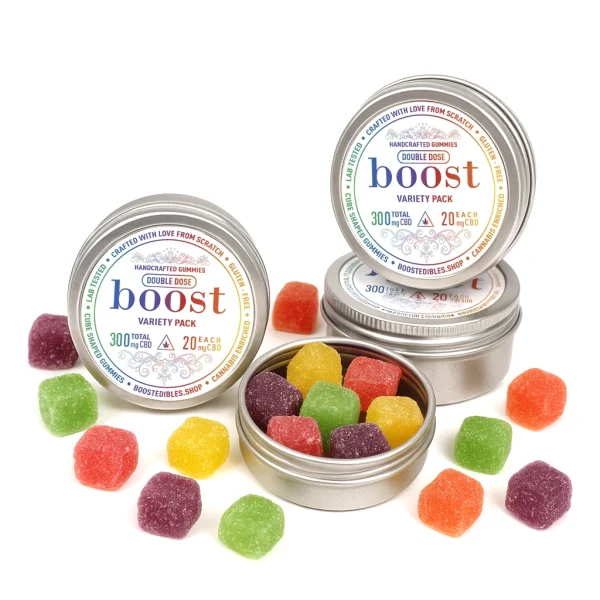
Although cannabis can be consumed in various forms, edibles present unique challenges that elevate the risk of overdose compared to other methods of consumption. Unlike smoking or vaping, cannabis edibles often have delayed effects, making it easy to underestimate their potency. With higher THC concentrations, these treats can lead to significant psychological effects, such as anxiety or paranoia, as well as physical effects like nausea and increased heart rate.
Individual tolerance also plays a vital role; inexperienced users may not recognize their limits, unwittingly increasing their overdose risk. Non-fatal overdoses can be distressing, emphasizing the need for caution with consumption methods. Understanding these factors can help mitigate risks while enjoying cannabis edibles safely.
Who is at Risk? Special Populations and Cannabis Overdose
When it comes to cannabis use, certain groups, like children and older adults, face unique risks that can lead to serious consequences. For children, the accidental ingestion of cannabis edibles can result in severe intoxication, leaving parents understandably worried and seeking immediate help. Meanwhile, older adults may encounter unexpected challenges due to interactions with medications, making it essential for them to approach cannabis use with caution and awareness.
Children and Accidental Ingestion
Accidental ingestion of cannabis, particularly in the form of edibles, poses a significant risk to children, who may not recognize the potential dangers associated with these products. When children consume cannabis, they can experience severe symptoms, leading to non-fatal overdose situations that require emergency room visits. The psychoactive effects of these edibles can be overwhelming for young bodies, resulting in distressing experiences. It’s vital for parents and caregivers to understand that even small amounts can lead to significant health risks for children. Public education on safe storage and the dangers of accidental ingestion is important in protecting our youngest populations. If a child eats cannabis, call 1-844-POISON-X (1-800-463-5060 in Quebec) or 911 right away.
Older Adults and Medication Interactions
Adults over 55 can react more strongly to cannabis and have a higher risk of side effects, according to Health Canada. With age, the liver can process substances differently, and older adults are more likely to be taking several medications at once. That means cannabis and medications can stay in the body longer, which raises the chance of an interaction and unwanted side effects. Health Canada notes this applies even to experienced consumers and people using cannabis for medical purposes.
Cannabis can interact with both prescription and over-the-counter products, including allergy and cold medications and mood-stabilizing medications. If you take any regular medication, talk to your doctor or pharmacist before using cannabis. Start with a very low dose, wait before taking more and stop using it if you notice serious side effects, then contact a health care professional.
Preventing a Cannabis Overdose – Tips for Safe Weed Consumption

The easiest way to avoid taking too much is to start low and go slow. Check the THC content on the label before you start, since higher-THC products bring stronger effects, especially if you don’t use cannabis often. With edibles, Health Canada suggests starting with 2.5 mg of THC or less and waiting, because effects can take 30 minutes to 2 hours to begin. For amounts by experience level, see our edibles dosage guide.
A few more habits help. Don’t mix cannabis with alcohol, and don’t drive or operate machinery after using it, since effects can last up to 24 hours. Keep your products in their original packaging, so you always know how much THC is in each serving, and store them locked away from children and pets. If you or someone with you feels unwell, call 1-844-POISON-X (1-800-463-5060 in Quebec), or 911 in an emergency.
Final Thoughts – Stay Safe and Enjoy Responsibly
Most bad experiences with cannabis come down to too much, too fast. Check the THC on the label, start with a low dose and give edibles at least 2 hours before you take more. Keep products locked away from children, and keep 1-844-POISON-X handy in case you ever need it.
Weed Market ships discreet, tracked orders across Canada, and every product page lists its THC content so you know what you’re getting. You must be 19+ to order (18+ in Alberta and 21+ in Quebec).
This article is for general information only and is not medical advice.




















































 DEALS